
Reviewed · DEVON TOURS
1.5-Hour Swanaford Vineyard Tour And Tasting Experience
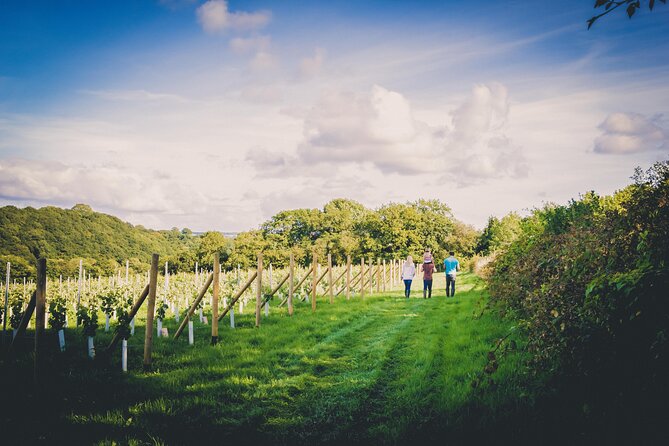
Swanaford Vineyard gives you a close look at English wine in a setting far removed from the usual Devon sightseeing circuit. In about 90 minutes, you walk among 10,000 vines, hear how grapes cope with Dartmoor conditions, and return to the barn for a full tasting.
I like two things right away: the tour is short enough to fit into a busy day, and the guides keep the talk friendly rather than burying you in technical terms. Molly, Tim, Caroline, and Ben are all named as guides, and the feedback points especially to Molly and Tim for their warm, clear approach.
The main drawback is that this is an outdoor vineyard walk, so weather matters. You also need a moderate level of fitness, and the meeting-point details should be checked carefully before setting out.
Key points at a glance
- 10,000 vines on Dartmoor: See the vineyard up close instead of only tasting the finished bottles.
- About 90 minutes: A useful choice when you want a wine experience without giving up half a day.
- Five wines may feature in the tasting: The wines described include two still whites, two sparkling whites, and a sparkling rosé.
- Plain-spoken guiding: Molly, Tim, Caroline, and Ben explain grape growing and production without forcing heavy jargon on the group.
- Quiet countryside setting: The vineyard offers a peaceful break from busier Devon attractions.
- Small maximum group: Numbers are capped at 20, which should help keep the walk and tasting manageable.
A Dartmoor vineyard with a story to tell
English wine is shaped by cool weather, short growing seasons, and plenty of uncertainty. That is what makes this visit more than a pleasant country walk followed by a few glasses. You get a practical look at the work behind a bottle made in a part of Britain not usually associated with vineyards.
Swanaford Vineyard sits in a Dartmoor valley site, where the setting is part of the experience. The countryside gives you open views and quiet surroundings, while the vines provide a clear focus for the visit. You are not simply seated in a tasting room listening to a sales pitch. The walk lets you see where the grapes begin.
The vineyard has planted 10,000 vines, so there is enough scale to make the growing process feel like serious agricultural work. At the same time, the 20-person maximum keeps this from feeling like a large coach-group stop. That balance is important. You can ask questions, hear the guide clearly, and take your time looking at the rows.
The tour also gives you useful context for tasting British wine. If you have only tried wines from warmer European regions, it helps to understand why grape choice, ripeness, weather, and production methods matter so much here.
More Food Tours in Devon:
- London Bridge & Borough Market Food Tour with 7 Authentic Dishes
★ 5.0 · 1,972 reviews - London Foodie Adventure:More than 10 dishes with Sherpa Food Tour
★ 5.0 · 932 reviews - Eating London: Twilight Soho VIP Food & Drinks Tour
★ 5.0 · 590 reviews
Walking through 10,000 Dartmoor vines
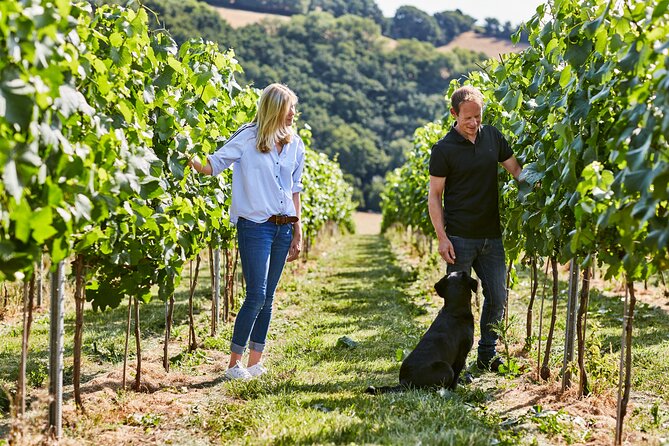
The experience begins at the tasting barn, where one of the guides meets you before taking the group into the vineyard. Molly, Tim, Caroline, or Ben may lead your visit. The guide explains how the vines are grown on this Dartmoor site and what makes the work difficult.
This first part is not a strenuous hike, but it is still a walk outdoors. The stated requirement is a moderate level of physical fitness, so you should be comfortable moving around a vineyard rather than expecting a fully seated activity. Sensible footwear is a good idea, although no particular clothing requirement is given.
The useful part of the walk is its directness. You see the vines first, then learn how the grapes become wine. That order makes the later tasting easier to follow. When the guide discusses grape varieties or production choices, you have already seen the setting in which those choices have to work.
The weather can affect this portion of the visit. The activity requires good conditions, and a poor-weather cancellation may lead to another date or a full refund. That is sensible for an outdoor tour, but it means you should avoid treating the booking as completely fixed until the forecast is clear.
What makes English winemaking different
A strong guide can make this section worthwhile even if you know little about wine. The focus is on the challenges of making wine in England, including growing grapes in a cooler climate and managing the conditions of a Dartmoor valley.
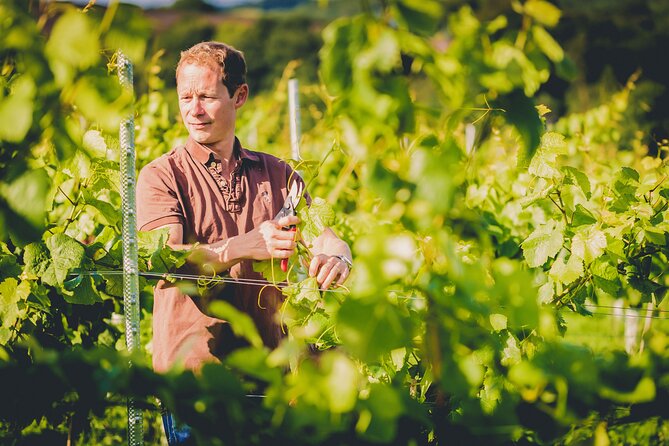
Tim has been praised for explaining the subject without piling on technical language. That matters if only some people in your group care about wine. You can learn something about varieties and production without needing to understand every specialist term before the tasting begins.
Molly has also been singled out for making the visit relaxed and engaging. The best version of this tour seems to be conversational rather than formal. You get information, but the atmosphere remains easygoing, which suits a short countryside outing.
The walk is also a useful reminder that wine production is not just about the final bottle. Much of the work takes place before the wine reaches the barn. Weather, grape growing, and the demands of the site all shape what can eventually be poured.
You should not expect a long technical course in viticulture. The tour is designed to fit into an hour and a half, so it offers an accessible introduction rather than a specialist study day. For most people, that is a strength. Wine enthusiasts seeking detailed analysis of every stage may find the coverage fairly compact.
Back to the barn for the tasting

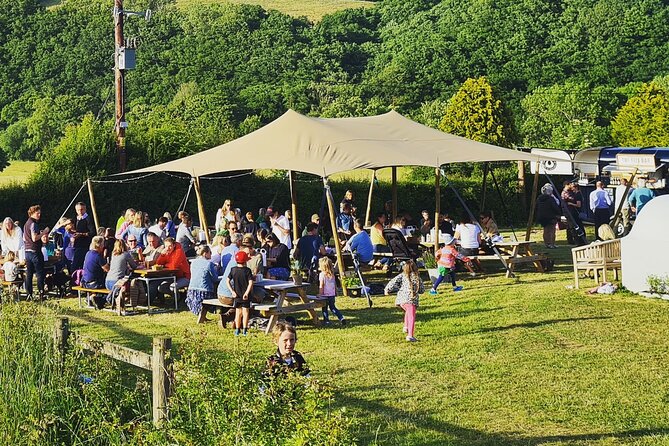
After the vineyard walk, you return to the tasting barn to sample the wines. The guide talks through the winemaking process as you taste, linking what is in the glass to the work you have just seen outside.
The tasting has been described as generous, which improves the value of the experience. You are not paying nearly $22 for a single token sip. The wines mentioned in the tasting include two still white wines, two sparkling white wines, and a sparkling rosé. The exact selection can change, so treat that as a useful guide rather than a fixed promise.
This line-up gives you a chance to compare styles. Still whites let you focus on the base wine without bubbles, while sparkling wines show another direction for English production. A sparkling rosé adds a different colour and style to the flight.
You do not need to arrive with a trained palate. The guides explain the wines as you go, and the relaxed presentation means you can simply note what you like. I would pay attention to the differences between the still and sparkling bottles, then ask which grapes or production choices create those changes.
If you are driving, plan ahead. The supplied information does not state a designated-driver arrangement or detail how tasting pours are handled. The safest approach is to organize transport that does not leave you responsible for driving after the samples.
A few more Devon half days worth a look
- Torquay Coastal RIB Seafari
★ 5.0 · 410 reviews - The story of Agatha Christie’s extraordinary life
★ 5.0 · 333 reviews - Coasteering
★ 5.0 · 191 reviews - 30-Minute Raptor RIB Ride Activity in Torquay
★ 5.0 · 182 reviews
Why the 90-minute length works
An hour and a half is a smart length for this type of stop. It gives you time to walk through the vines and taste the wines, but it does not take over your whole day in Devon.
I like the timing for two reasons. First, you can pair the visit with other plans around Dartmoor or Exeter. Second, the pace is likely to feel focused. A longer tour might add more technical material, but it could also become repetitive for people who are mainly interested in the setting and the tasting.
The timing does mean the experience is not a leisurely full-day winery visit. You will not have hours to linger over lunch, browse a large estate, or explore a long list of facilities because none of those are included in the stated program. Think of it as a compact introduction to one vineyard, not a complete day devoted to wine.
The tour begins and ends at the same meeting point. The published location information refers to Exeter, while the experience itself is described as a Swanaford Vineyard visit in the Plymouth and Dartmoor area. Because the supplied meeting-point text is not especially clear, check the exact address and directions in your confirmation before leaving.
The value of $21.95
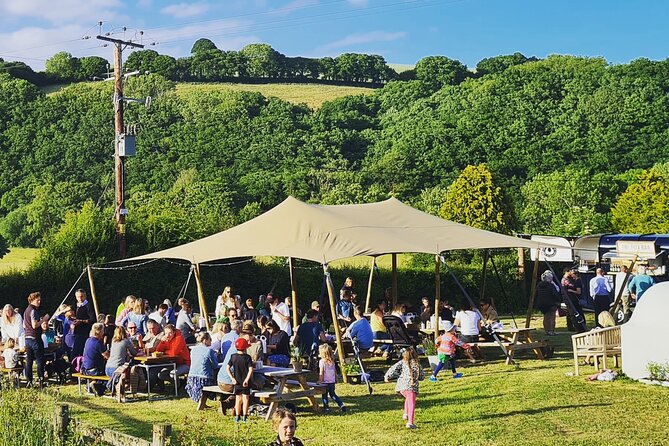
At $21.95 per person, this is reasonably priced if you want both an outdoor introduction and a multi-wine tasting. You are paying for a guided walk, an explanation of local growing conditions, and samples of the vineyard’s wines in a 90-minute session.
The value is strongest for people who would otherwise pay separately for a countryside activity and a tasting. Here, those two parts are tied together. The vineyard walk explains the setting, and the tasting gives meaning to the work described by the guide.
The price may feel less attractive if you only want to buy a bottle or sit down for a drink. This is not simply a wine bar visit. You are paying for the guide’s time and for the story of how grapes are grown and made into wine on this site.
The small group limit also helps. With a maximum of 20 people, the cost buys a more personal format than a large commercial attraction. It is not a private tour, but the group should remain small enough for questions and conversation.
The tasting pours have been described as generous, another point in the tour’s favour. Still, your enjoyment will depend on your interest in wine. If your group includes several people who do not drink wine, the experience may offer less value for them unless they are happy to focus on the countryside and production talk.
Who will enjoy Swanaford most

I would recommend this for couples, small groups of friends, and anyone looking for a slower Devon activity with a local focus. It also suits a birthday outing or a relaxed evening plan, since the format is social without being overly formal.
Wine beginners should feel comfortable here. The guides are described as approachable, and the presentation avoids too much specialist language. You can ask basic questions without feeling that you need to know the difference between every grape variety before arriving.
It also suits wine drinkers who want to support English production and understand what makes it distinct. You will not only taste the finished products. You will see the rows of vines and hear about the effort needed to grow them in Dartmoor conditions.
Families should check the details carefully. Service animals are allowed, but the information does not give a child policy or describe activities for children. Since the core experience is a vineyard walk and wine tasting, it is mainly aimed at adults interested in the subject.
People with limited mobility should also consider the outdoor walk. The stated requirement is moderate physical fitness, and no specific step-free or accessible route is promised. Contact the operator before booking if you need firm accessibility information.
Weather, cancellations, and planning your visit
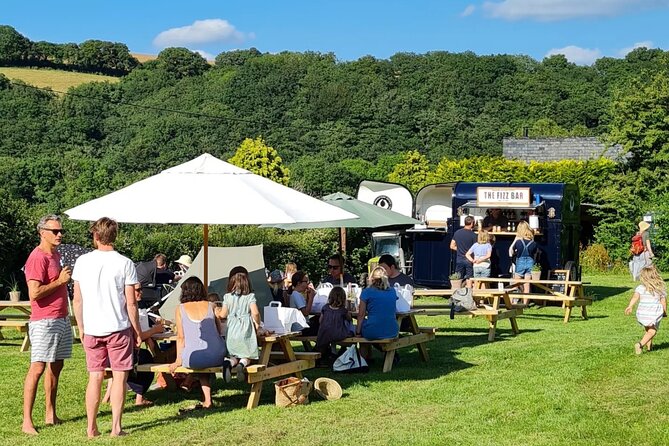
Free cancellation is available if you cancel at least 24 hours before the start time. Changes or cancellations made inside that window are not accepted for a refund, and the cut-off uses local time.
The operator can also cancel if the weather is poor or if the minimum number of participants is not reached. In those cases, you are offered another date or experience, or a full refund.
That policy gives you some protection, but you should still leave room in your Devon plans. A vineyard walk depends on conditions, and a wet or windy day would change the character of the visit even if it went ahead.
Confirmation is received when you book, and the activity uses a mobile ticket. Keep the booking details available on your phone, and use them to verify the exact start point. The experience ends where it begins, so you do not need to arrange a separate return meeting point.
My practical verdict on the experience
Swanaford Vineyard offers a good balance of information, scenery, and tasting time. Its strongest feature is the connection between the outdoor walk and the wines in the barn. You see the vines, hear about the difficult work of English production, and then taste the results while the explanation is still fresh.
The guides are another reason to consider it. Molly and Tim are praised for being clear, warm, and passionate without overwhelming the group. Caroline and Ben are also listed as hosts, giving the visit a personal, small-business feel rather than the polish of a large attraction.
The drawbacks are straightforward: the weather can disrupt the plan, the walk requires moderate fitness, and the meeting-point information needs careful checking. The 90-minute format also limits how far the tour can go into technical wine study.
Should you book Swanaford Vineyard?
Book it if you want a short, good-value Dartmoor outing that combines countryside with a proper tasting. At $21.95, the guided walk and several wines make sense for most adults who enjoy learning where their food and drink come from.
Skip it if you want a long vineyard lunch, a private tasting, or a detailed professional wine course. For everyone else, Swanaford looks like a friendly way to spend part of a Devon day, especially when you want to get away from crowded tourist stops and taste something made close to the place you are visiting.
FAQ
How long does the Swanaford Vineyard experience last?
The tour lasts approximately 1 hour and 30 minutes.
Where does the tour begin and end?
The activity begins at the published meeting point and ends back at the same location.
How many people can join the tour?
The maximum group size is 20 participants.
What happens during the vineyard walk?
A guide leads you through the site and explains how the 10,000 vines are grown on Dartmoor, along with the challenges of making wine in England.
What happens after the walk?
You return to the tasting barn, where you sample the vineyard’s wines while the guide explains the winemaking process.
Which guides may lead the experience?
The listed guides are Molly, Tim, Caroline, and Ben.
Can I cancel for a full refund?
Yes. You can cancel at least 24 hours before the experience starts for a full refund. Poor weather or failure to meet the minimum number of participants may also result in another date or a full refund.
Recently added around Devon
- Explore North Cornwall on Electric Bikes★ 5.0 · 8 reviews
- Doc Martin, Fishermans Friends & North Cornwall★ 5.0 · 9 reviews
- Guided walk on the remote and wild North Cornish coast★ 5.0 · 9 reviews
- Plymouth: Best of Plymouth Walking Tour★ 5.0 · 11 reviews
- Walking Tour of Exmouth in East Devon★ 5.0 · 12 reviews
- Half Day Sea kayak Guided Tour★ 5.0 · 15 reviews
- Ilfracombe Harbour: Ghost Tour★ 4.9 · 15 reviews
- Half Day Guided Canoe Trip in Totnes★ 5.0 · 17 reviews
Devon Tours, compared.

The story of Agatha Christie’s extraordinary life
Read our review →


Guided Wildlife and Sea Cave Kayak Safari in English Riviera
Read our review →
Browse the lists this tour appears in