
Reviewed · STONEHENGE TOURS
4 Day Tour in Cornwall, Devon and Stonehenge from Bristol
Tintagel’s cliff-top ruins, St Michael’s Mount, Dartmoor’s granite tors, and Stonehenge all fit into four busy days on this southwest England road trip. You move through Somerset, Cornwall, Devon, and Dorset without having to plan the roads, parking, or hotel changes yourself.
I like the small maximum group of 16 and the roomy 16-seat Mercedes mini coach. I also like that the price includes three nights of en-suite accommodation, breakfast, Tintagel Castle, and Stonehenge. The trade-off is a fast pace: some stops are brief, and long drives link the highlights.
The route is especially appealing if you want dramatic coastlines and old towns rather than a single-city break. Guides such as Kate, Iggy, Alan, and Matt have brought warmth, music, local stories, games, and practical help to the days. Just be ready for steep walks, changing weather, and simple bed-and-breakfast accommodation that may sit 20 to 30 minutes from town facilities.
Key points at a glance
- Tintagel Castle is included: Explore the cliff-top ruins tied to the King Arthur legend, with admission covered.
- Cornwall gets a full day: St Ives, Land’s End, the Minack Theatre area, and Marazion make for a very scenic second day.
- Dartmoor adds a different mood: Tavistock, Widecombe-in-the-Moor, and Haytor bring market-town charm and open moorland scenery.
- Stonehenge is not rushed: You have about three hours at the prehistoric monument, with entry included.
- The tour is lively but demanding: Expect early starts, coach time, short photo stops, and walking on uneven or steep ground.
- Accommodation keeps the trip practical: Three en-suite nights and breakfast are included, but meals beyond breakfast are your responsibility.
Why this southwest England route works
This tour links several places that are awkward to combine by public transport in only four days. You begin in Bristol and reach Exmoor, Cornwall, Devon, Dorset, and Stonehenge without changing trains or working out rural bus connections.
That convenience has real value. The price is $917.06 per person, which is not a budget outing, but it covers transport, three nights of en-suite accommodation, breakfast, Tintagel Castle, and Stonehenge. You still pay for lunches, dinners, drinks, and the Minack Theatre, but the major transport and two important admissions are handled.
The group limit matters, too. A 16-seat coach feels more personal than a large touring bus, and the guide can check in with the group during the day. The morning in particular is kept flexible, with the driver-guide adjusting the rhythm and touching base as you go.
Guides have a clear role here. Kate made space for music between stops by asking the group to suggest songs. Iggy was described as patient and accommodating, while Alan kept the tour moving during Storm Bert. Matt helped a nervous passenger across a high footbridge and added games and singing to the long drives. These details tell you what kind of trip this is: not a silent transfer service, but a social road trip shaped by the person at the wheel.
More Stonehenge trips:
- Stonehenge and Cotswold Villages Full-day Tour from Bristol
★ 5.0 · 140 reviews - Stonehenge, Windsor Castle, and Bath from London
★ 4.5 · 18,662 reviews - Stonehenge, Windsor Castle and Bath with Pub Lunch in Lacock
★ 4.5 · 7,402 reviews
Day 1: Exmoor, Dunster, and Tintagel’s cliff-top ruins
The first morning begins at 8:15 a.m. outside the DoubleTree by Hilton Bristol City Centre on Redcliffe Way. From Bristol, the road heads west through Somerset and into Exmoor National Park.
Exmoor gives you a quick introduction to southwest England’s variety. The park brings together moorland, woodland, coast, and rivers, so the drive itself is part of the day. You are not simply being delivered from one attraction to another.
The first stop is Dunster, a medieval village dominated by its Norman castle. You have about 45 minutes, enough for coffee, a comfort stop, and a short look around. Admission to the village is free, but this is not a castle tour. If you want to see the castle interiors, confirm what time allows before setting your expectations.
Dunster works well as a first pause because it gives you a taste of old village England before the more dramatic coastal stops. The time is short, so focus on the village center and views toward the castle rather than trying to cover every lane.
After lunch, you reach Tintagel Castle on the north Cornwall coast. The ruins sit high on the cliffs and are linked with the story of King Arthur. Admission is included, which is important because Tintagel is one of the route’s main paid attractions.
Allow for uneven paths, exposed cliff-top walking, and a steep approach. The setting is the main event here. The remains are dramatic because of their position above the sea, not because you are entering a complete medieval fortress.
The visit lasts about 90 minutes. That is enough for a strong introduction, photographs, and a look at the ruins, but it is not a leisurely archaeological visit. One direct account praised the guide for helping with a high footbridge, so anyone uneasy with heights should mention that before setting out.
The coach then continues to Falmouth, your base for the next two nights. The listed stop lasts about three hours, which includes the journey and settling into your accommodation. You should not read this as three hours of guided sightseeing in Falmouth.
Falmouth is a useful base for Cornwall because it gives you two nights in one place. That cuts down on packing and unpacking, although the accommodation may be a bed-and-breakfast on the edge of town. You may need a 20 to 30 minute walk to reach pubs and restaurants.
Day 2: St Ives, Land’s End, and the Minack Theatre
Day two is the great Cornwall day. It begins in St Ives, one of the county’s best-known harbour towns. You have 90 minutes to walk among cobbled lanes, cottages, the harbour, and sandy beaches.
St Ives is easy to enjoy without a formal tour. Use the time to wander rather than trying to check off a long list. The short visit gives you a taste of the town, not a full day for galleries, museums, and a long beach break.
The road then heads to Land’s End, the far western tip of Cornwall. The scheduled stop is only 15 minutes, so this is primarily a viewpoint and photograph stop. The sea views are the reason to come, and the short timing keeps the group on schedule.
Land’s End can feel commercial in parts, so keep your attention on the coast and the sense of being at the end of the country. One account found Tintagel and Land’s End more like a theme-park-style attraction than the quieter stops. That is a useful warning if you prefer low-key places.
Next comes the Minack Theatre, an open-air performance space carved into cliffs above the sea. It is an unusual lunch setting, and the combination of stone seating, rugged cliffs, and plants makes it one of the most distinctive places on the route.
Entry is not included. The listed adult price is £9, and access depends on availability. The tour may be unable to visit, with the guide confirming the situation during the day. Do not book this tour solely for the theatre, but treat it as a major bonus when it is open.
The theatre also involves exposed paths and steps. If you have trouble with steep ground or stairs, tell the operator in advance. This is one of the places where sensible shoes matter more than smart clothes.
In the afternoon, you stop at Marazion for a view of St Michael’s Mount. The rocky island holds a medieval church and castle and is often compared with Mont Saint-Michel in France. The stop lasts about 75 minutes and admission is free.
The key word is view. The itinerary provides time for photographs and a look across the water, not a guaranteed visit to the island itself. Access to St Michael’s Mount can depend on conditions and timing, so enjoy Marazion as a scenic stop rather than assuming you will tour the castle.
You return to Falmouth for the evening, with about two hours listed for the stop. This gives you a chance to eat and rest after a full day. Meals are not included, so set aside money for lunch and dinner each day.
Day 3: Tavistock and the granite tors of Dartmoor
Day three leaves Cornwall for Devon. Tavistock is the first stop, an old market town associated with the region’s tin-mining past and one of Devon’s World Heritage locations. You have around 90 minutes to explore independently.
Tavistock is a welcome change from the famous coastal viewpoints. It gives you time to walk through a working town, find a café, and see a less staged side of southwest England. The timing is still limited, so this is a town introduction rather than a full cultural visit.
The route continues into Dartmoor National Park, where the scenery changes again. Forests, rivers, wetlands, and granite tors give the park a wilder feel than the seaside towns. The tour stops at Widecombe-in-the-Moor, a picturesque village linked with the well-known folk song Widecombe Fair.
Widecombe is a good place to slow down for a little while. You can enjoy the village setting and the open moor around it, although the weather can shift quickly in Dartmoor. Bring a waterproof layer even when the morning looks clear.
The next key sight is Haytor, one of Dartmoor’s rocky granite outcrops. The stop is part of the park visit before the drive to Exeter. Haytor is about open views and unusual rock formations, so leave room in your schedule for a short walk and photographs.
The day ends in Exeter, where you spend the night. The listed stop is about two hours, giving you some evening time after the Dartmoor drive. As with Falmouth, your accommodation may be central or may require a walk of up to 20 to 30 minutes to reach restaurants.
The third day is less packed with headline attractions than the second. I think that is a good thing. After two days of Cornwall’s major sights, Tavistock and Dartmoor provide a quieter middle section before the final day’s big stops.
A completely different sort of day out in Bristol:
- Blackbeard to Banksy – The Ultimate Walking Tour of Bristol
★ 5.0 · 1,961 reviews - Air Raid Shelter + St. Nicholas Market Walking Tour
★ 5.0 · 1,950 reviews - (9pm) The House Magicians Comedy & Magic Show – Smoke & Mirrors
★ 5.0 · 356 reviews - West Country Games – the most popular group activity in the South West!
★ 5.0 · 315 reviews
Day 4: Durdle Door, Lulworth Cove, and Stonehenge
The final day brings you through Dorset and back toward Bristol. The first coastal stop is Durdle Door, the famous natural rock arch on the Jurassic Coast.
The scheduled time is only 15 minutes, but reaching the viewpoint can involve a steep walk down and back up. One account specifically warned that the walk is demanding. If your fitness or balance is limited, ask the guide how far the group will go and plan to enjoy the view from the most comfortable point available.
Lulworth Cove is also listed among the day’s seaside highlights, though the schedule gives the main timed stop as Durdle Door. The cove adds another distinctive coastal view and helps make the morning more than a single photograph stop.
Stonehenge receives the longest visit of the tour, about three hours. Entry is included, so this is not a quick roadside glimpse. You have time to visit the stones and spend a proper part of the afternoon with one of Britain’s most famous prehistoric sites.
Stonehenge is an unusual finale because it changes the mood completely. After castles, harbours, cliffs, and moorland, you are looking at a monument built roughly 5,000 years ago. The stones raise more questions than they answer, and that mystery is part of the appeal.
The three-hour allocation also gives you some breathing room. You can take in the monument without racing straight back to the coach. This is the tour’s strongest value point after Tintagel, since both admission and transport are already covered.
From Stonehenge, you return to Bristol, arriving back at the original meeting point in the evening. The listed drive lasts about two hours. Do not schedule a tight onward train, flight, or dinner reservation, since arrival time depends on road conditions and the pace of the day.
What the mini coach and accommodation are really like
The 16-seat Mercedes mini coach is a major part of the experience. You get door-to-door movement between rural places where public transport would be slow or awkward. The smaller group also lets the guide manage stops with more flexibility than a large coach operation.
The downside is that you spend a lot of time in the vehicle. This route covers several counties, and the attractions are spread out. Music, stories, childhood games, and conversation can make those stretches pleasant, but anyone who dislikes road trips may find the schedule tiring.
Three nights of en-suite accommodation and breakfast are included. The properties may be bed-and-breakfasts on town outskirts or hotels in relatively central locations. Lifts are not guaranteed, so mention stair concerns before booking.
You have a 20-kilogram luggage limit per person. Pack one larger suitcase or rucksack plus a small onboard bag for items you need during the day. A rain jacket, comfortable walking shoes, water, and a small camera bag are sensible choices.
The tour is offered in English, and the maximum group size is 16. Children under five cannot join, and anyone under 18 must travel with an adult. Most people can take part, but steep paths, high bridges, uneven ground, and the walk to Durdle Door deserve honest consideration.
Is $917.06 good value?
At $917.06 per person, this is best judged as a four-day transport and sightseeing package rather than a cheap excursion. You are paying for a driver-guide, a mini coach, three nights with breakfast, Tintagel admission, and Stonehenge admission.
The value improves if you would otherwise need to hire a car. A rental car would bring fuel, parking, navigation, accommodation planning, and the challenge of driving narrow or unfamiliar roads. Here, you can watch the scenery and let the guide handle the route.
The value is weaker if you already have a car and prefer long, unplanned stays. St Ives and Land’s End are brief, and the Minack Theatre is not guaranteed. You also pay separately for most meals and any admission not specified.
The tour often sells well in advance, with bookings averaging 102 days ahead. That suggests you should not leave a preferred date until the last moment. The cancellation terms are strict: the booking is non-refundable and cannot be changed for any reason.
Who should book this four-day trip?
I would choose this tour if you want a broad first look at southwest England and prefer a guide to deal with the driving. It suits people who enjoy dramatic coastlines, historic sites, small towns, and a friendly group atmosphere.
It is also a good fit for solo visitors who want company without joining a huge bus tour. The guide-led format creates a natural social setting, and the small vehicle can feel more personal.
I would hesitate if you want deep time in any one place. You will not have a full day in St Ives, Tintagel, or Land’s End. I would also think twice if steep walks, stairs, heights, or long coach journeys are difficult for you.
Should you book it?
Book this trip if your priority is variety. In four days, you see Cornwall’s coast, Devon’s moorland, Dorset’s rock formations, and Stonehenge, with the hardest planning already done.
Choose it with realistic expectations. This is a fast road trip, not a slow village holiday. The best parts are the dramatic settings, the included major admissions, the smaller coach, and the guide’s ability to make long drives enjoyable. The weak points are short stops, extra meal costs, possible accommodation walks, and the uncertain Minack Theatre visit.
If those compromises suit you, $917.06 buys a practical and unusually wide-ranging introduction to southwest England.
FAQ
Where does the tour start?
It starts at 8:15 a.m. at the DoubleTree by Hilton Bristol City Centre on Redcliffe Way, Redcliffe, Bristol BS1 6NJ.
Where does the tour end?
The tour ends back at the original meeting point in Bristol.
How long does the tour last?
The tour lasts approximately four days and includes three nights of accommodation.
What admissions are included?
Admission to Tintagel Castle and Stonehenge is included in the tour price.
Is admission to the Minack Theatre included?
No. Adult admission is listed as £9, and the visit may not be possible if the theatre is unavailable.
What type of transport is used?
You travel in a 16-seat Mercedes mini coach.
What is the maximum group size?
The tour has a maximum of 16 participants.
Are accommodation and breakfast included?
Yes. The price includes three nights of en-suite accommodation with breakfast.
Are meals included?
No. Meals and refreshments are not included, apart from the included breakfast.
How much luggage can I bring?
You are limited to 20 kilograms of luggage per person. This can include a small onboard bag and a larger suitcase or rucksack.
Recently added around Bristol
- Brunel’s Bristol: A Self-Guided Tour from SS Great Britain to Clifton Bridge★ 4.5 · 11 reviews
- Bristol Harbourside Self-Guided Walking Tour★ 4.5 · 12 reviews
- Wine & Cheese in the Somerset Valleys – with Michelin-star lunch!★ 5.0 · 12 reviews
- Bristol Old City Food & drink Tour★ 5.0 · 15 reviews
- Cocktail Classes in Bristol, England★ 4.5 · 15 reviews
- Self-Guided Craft Beer Tour (Explore Old Market)★ 4.5 · 19 reviews
- Bristol Luggage Storage★ 5.0 · 20 reviews
- Avon Gorge Rock Climbing Experiences★ 5.0 · 21 reviews
Stonehenge Tours, compared.
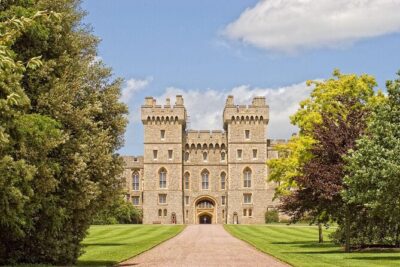
Stonehenge, Windsor Castle, and Bath from London
Read our review →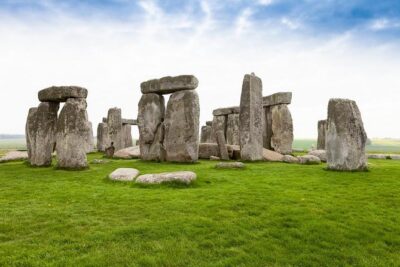
Stonehenge, Windsor Castle and Bath with Pub Lunch in Lacock
Read our review →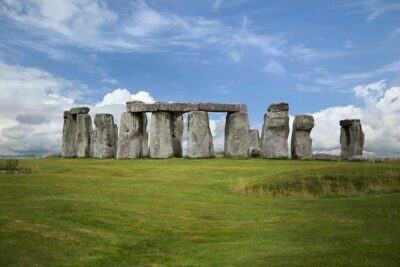
Stonehenge, Windsor Castle and Bath Full Day Guided Tour
Read our review →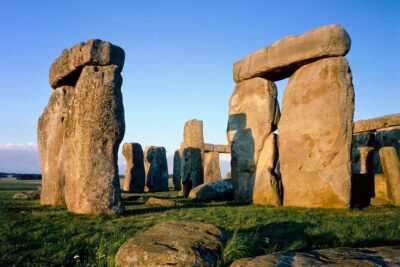
Windsor Castle, Stonehenge, and Oxford Day Trip from London
Read our review →
Windsor, Stonehenge and Bath Day Trip from London Spanish
Read our review →Windsor Castle, Stonehenge, and Oxford Day Trip from London
Read our review →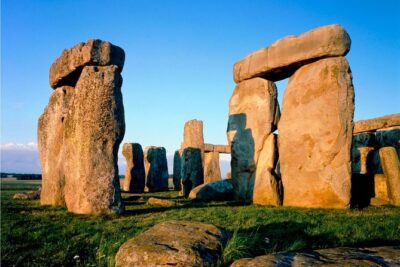
Stonehenge and Bath Day Trip from London with Optional Roman Baths Visit
Read our review →Browse the lists this tour appears in