Reviewed · LONDON TOURS
5-Day Devon and Cornwall Small-Group Tour from London
Stonehenge, Tintagel, Land’s End, St Ives, Dartmoor and Glastonbury make this a big five-day sweep of southwest England. You cover a lot of ground, but the route breaks up the long drives with castles, villages, moors and coastal views.
I like the 16-passenger mini-coach, which can handle Cornwall’s narrow roads far better than a full-size bus. I also like the choice between a B&B and a three-star hotel, plus two-night stays in Exeter and Falmouth instead of changing rooms every night.
The tradeoff is time. Several stops last only 20 to 90 minutes, and the final run from Cornwall back to London is long. This tour is for seeing many famous places efficiently, not for lingering in one seaside town.
Key points at a glance
- Stonehenge and Tintagel Castle included: Two of the tour’s biggest historic sights are covered in the price.
- A true small-group trip: The maximum is 16 people, with transport in an air-conditioned Mercedes mini-coach.
- Two-night bases: Stay two nights in Exeter or Torquay, then two nights in Falmouth.
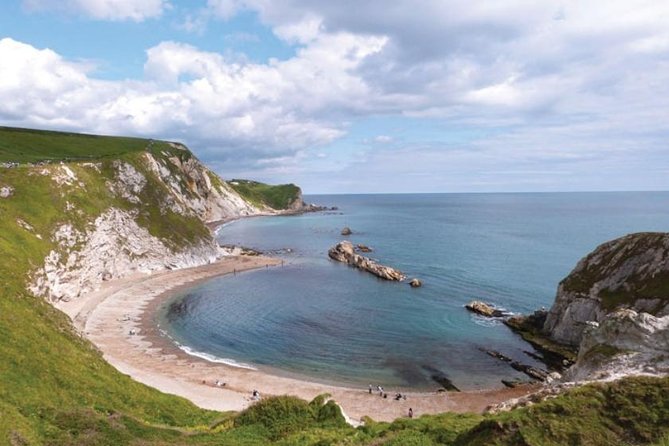
- Cornwall’s best-known coast: See Boscastle, Port Isaac, St Michael’s Mount, Minack Theatre, Land’s End and St Ives.
- Strong driver-guides: Guides such as Carl, John, June, David and Christo are praised for stories, local knowledge and careful driving.
- Pack light: You are limited to 20 kilograms, plus a small onboard bag, and there is no toilet on the coach.
Why this five-day route works
Devon and Cornwall are awkward places to explore without a car. Rail links serve some towns, but they do not easily connect cliff-top ruins, tiny harbors, moorland viewpoints and remote theaters. Driving yourself brings another problem: narrow lanes, unfamiliar roads and limited parking.
This trip solves that problem with a small coach and one driver-guide. You can look out the window instead of concentrating on the road, while your guide explains the places you pass. Several guides, including Carl, John, June, David Coatsworth and Christo, have been praised for clear commentary, humor, local stories and safe driving.
The route is also sensibly arranged. You leave London for Winchester and Stonehenge, use Exeter as a base for two nights, then move west to Falmouth for two nights. That gives you a little breathing room in the evenings. You are not packing and unpacking every morning.
The group size matters most on Cornwall’s smaller roads. A maximum of 16 people feels more personal than a large coach tour, though it still means you must follow a shared schedule. Your guide may offer several choices at a stop, but everyone needs to return to the coach on time.
More five day trips in London:
- 5-Day Discover Wales Small-Group Tour from London
★ 5.0 · 88 reviews - 5-Day Heart of England, Wales & Yorkshire Small-Group Tour from London
★ 5.0 · 47 reviews
Day one: Winchester, Stonehenge and Exeter
The tour leaves the Green Line Coach Station on Bulleid Way near Victoria at 9:15 a.m. Check-in closes 15 minutes before departure, and the coach leaves on time. Public transport is the practical way to reach the meeting point because parking in central London can be difficult.
Your first stop is Winchester, once the capital of Anglo-Saxon England. You have about two hours, usually from 11 a.m. to 1 p.m., which gives you time to walk around the old center and see the exterior of Winchester Cathedral and the Norman Great Hall.
If you want to enter the cathedral or another paid attraction, reserve ahead. The tour does not include those tickets, and the short visit leaves little room for waiting in line. If you prefer a quieter start, use the time for a walk and lunch.
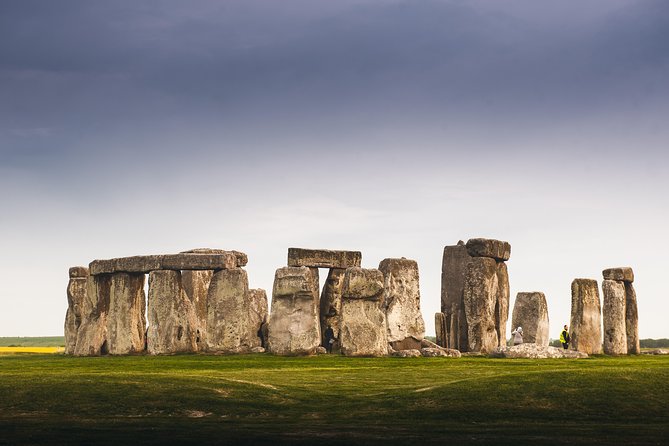
Stonehenge follows, with about 90 minutes at the site. Your admission is included, as is access to the visitor center and its collection of prehistoric objects. A land train shuttle carries you toward the stone circle, so the visit is more organized than simply pulling over beside a field.
Stonehenge can feel crowded and managed, but the setting still has real power. The tour gives you enough time to see the stones and visitor center, though not enough for a slow study of every display. Bring a jacket, since the open site can feel exposed even on a mild day.
You then continue to Exeter, where you spend two nights. Depending on the departure, accommodation may be in Exeter or Torquay. Exeter is the more central base for the stated route, with its cathedral, city walls, Royal Albert Memorial and Quayside available during free time.
Day two: Dartmoor ponies and Tavistock
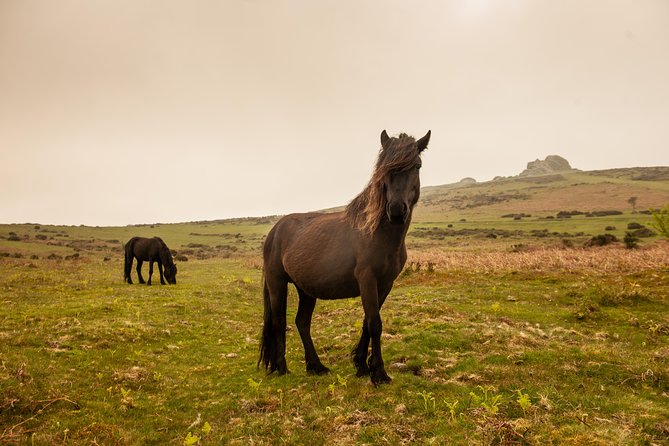
Day two shifts from major sights to open country. Dartmoor National Park is known for its rough rock formations, wide moorland and native ponies grazing near the road. The official stop is short, about 30 minutes, so think of it as a chance to stretch your legs, take photographs and get a taste of the moor.
Weather can change quickly in Dartmoor. Wear shoes with a good grip and bring waterproof layers. You may see ponies, but they are free-roaming animals, not a scheduled show, so sightings depend on the day.
At Postbridge, you cross an old Clapper Bridge before continuing to Tavistock. The bridge is a simple but memorable piece of local engineering, made from large stone slabs. Tavistock gives you another brief stop, around 30 minutes, in a market town linked with Sir Francis Drake.
The short timing is the main limitation of this day. You will see several parts of Dartmoor and Tavistock, but you will not have time for a substantial walk or a long market visit. The reward is variety: moorland, stonework, town streets and countryside in one morning.
You return to Exeter in the early afternoon with about two hours to explore. This is one of the tour’s useful design choices. You can visit the cathedral, walk beside the old walls or head down to the Quayside without having to do it all at the pace of a guided group.
Day three: Boscastle, Tintagel and Port Isaac
Day three brings the most concentrated stretch of Cornish scenery. Boscastle Harbour is a small medieval harbor with fishing boats, steep surroundings and a dramatic headland. You have about 90 minutes here, enough for a walk, a cream tea or a visit to the Museum of Witchcraft, though museum admission is extra.
Boscastle is a good place to slow down for a moment. The harbor is compact, but the surrounding paths give you a stronger sense of the coast than a quick photo stop. Ask your guide about the best use of your time, especially if the weather makes the headland walk unpleasant.
Next comes Tintagel Castle, one of the trip’s main historic attractions. The ruins sit on a cliff-top site associated with King Arthur, and admission is included. The setting is the star: expect steep approaches, exposed viewpoints and plenty of steps rather than a complete medieval castle.
Allow yourself time to climb and look out from the headland. The 90-minute visit is useful, but anyone who walks slowly or wants to read every panel may feel hurried. Good shoes are important here, and the route is not ideal for anyone who cannot manage the coach steps and uneven ground.
Port Isaac is a shorter stop of about an hour. This fishing village is strongly linked with the television series Doc Martin, but you do not need to know the show to appreciate its stone cottages, harbor and narrow streets. Fans can use the time to identify filming locations, while everyone else can simply walk around the waterfront.
After Port Isaac, the coach heads to Falmouth for two nights. This overnight arrangement is a real plus. Falmouth is a coastal town with places to eat and walk, and a second night means you can settle in rather than immediately prepare for another departure.
A few more London half days worth a look
- Stonehenge, Windsor Castle, and Bath from London
★ 4.5 · 18,662 reviews - London Big Bus Hop-On Hop-Off Tour with Optional River Cruise
★ 3.5 · 10,803 reviews - London Small Group Tour of Historical Pubs
★ 5.0 · 10,422 reviews - Stonehenge, Windsor Castle and Bath with Pub Lunch in Lacock
★ 4.5 · 7,402 reviews
Day four: Cornwall’s far west
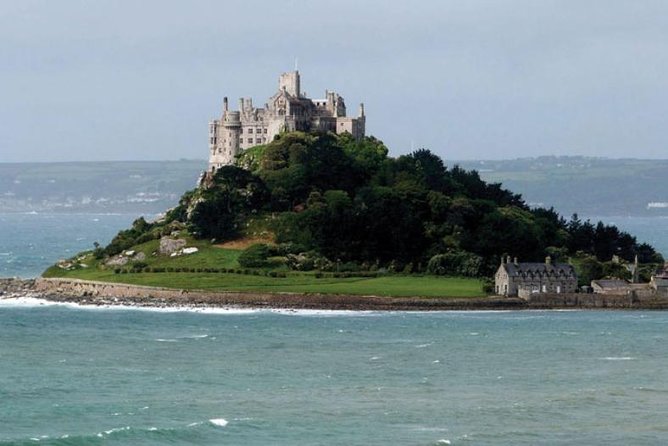
The fourth day reaches Cornwall’s western tip. St Michael’s Mount is first, but the listed visit is only a ten-minute photo stop. You can admire the island and its causeway from a distance, but this is not a castle visit. If seeing the interior matters to you, note that it is not part of this stop.
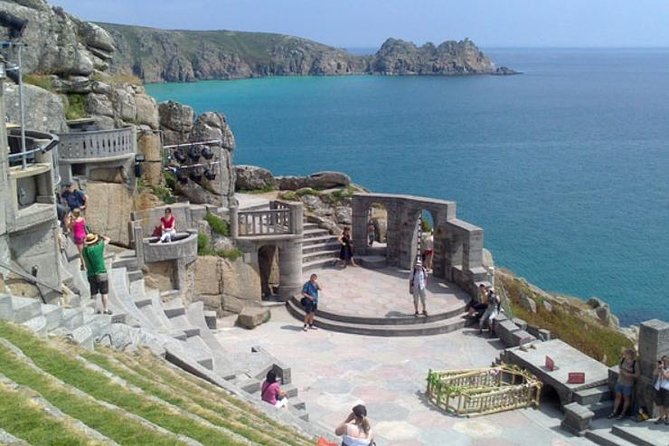
The Minack Theatre is one of the tour’s most memorable possibilities. Carved into a cliff above the ocean near Porthcurno, this open-air theater has a setting that feels almost unreal. The visit lasts about an hour, and admission is not included.
There is an important catch: access can depend on availability. The guide will tell you during the day if the theater cannot be visited. If it is open, expect steps and a climb. The view over the ocean and beach is the main reward, even for people who are not theater fans.
Land’s End follows, with about 20 minutes. This is a quick stop for the famous coastal viewpoint and photographs. The nearby area also connects with Cornwall’s tin-mining past and locations associated with Poldark.
Twenty minutes is enough to say you have been there, but not enough for a serious walk. Keep your expectations realistic. Land’s End works here as a scenic punctuation mark rather than a full afternoon visit.
The final stop is St Ives, where you have about two hours. This is one of the better places for free time. Walk the narrow streets near the harbor, browse art galleries, find a café or sit by the water. St Ives has a strong art identity, but it also rewards simple wandering.
Some people wish they had longer in Falmouth, especially after seeing St Ives. Still, the second Falmouth night gives you at least one evening without a hotel change. Accommodation can range from a B&B to a three-star hotel. The Greenbank Hotel in Falmouth has received especially strong praise for its location, comfortable rooms, restaurant and views.
Day five: Bodmin Moor, Glastonbury and London

The last morning crosses Bodmin Moor, a wild area designated as an area of outstanding natural beauty. The stop lasts about an hour, offering a final look at Cornwall’s open interior before the long journey east.
This is a scenic day, but it is also the most demanding from a transport point of view. You are traveling back to London, so the coach must cover a large distance. Several people have found the return drive tiring, even though the route includes interesting stops.
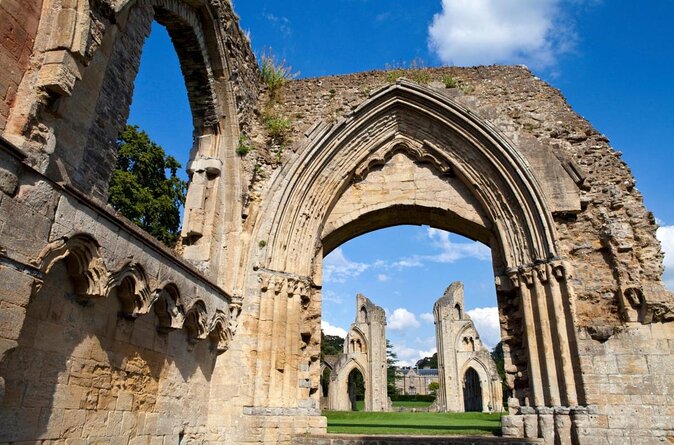
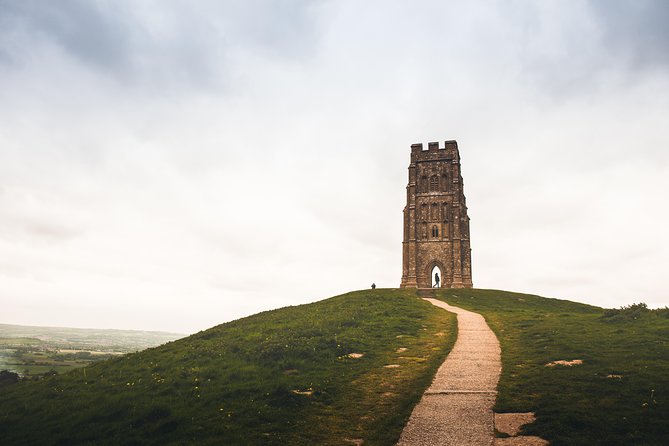
Glastonbury breaks up the journey. You have about two hours to explore this religious and spiritual center, associated with early Christianity, Arthurian stories and pagan tradition. You can see the ruins of the seventh-century abbey, eat lunch or climb Glastonbury Tor for views across five counties.
Glastonbury is a more unusual stop than the coastal villages, and it will appeal most if you enjoy legends and sacred places. If you prefer seaside scenery, it may be the least compelling part of the trip. The Tor climb also needs a reasonable level of fitness and suitable footwear.
From Glastonbury, you continue to London and finish back at Victoria. The arrival time can vary with traffic, road conditions and stops, so avoid booking a tight evening connection.
Accommodation, meals and what the price covers
The price is about $1,347.48 per person. That is a serious sum, but it includes four nights of en-suite accommodation with breakfast, transport, a driver-guide, small-group service, Stonehenge admission and Tintagel Castle admission.
For five days in a region where independent transport is difficult, the package can offer fair value. You would otherwise need to arrange several train or bus journeys, book four nights, pay for fuel or car hire and manage narrow roads yourself. The value improves if you plan to visit Stonehenge and Tintagel anyway.
The accommodation choice is useful but not perfectly predictable. B&Bs may sit on the outskirts of town, sometimes a 20 to 30-minute walk from pubs and restaurants. Hotels are usually more central, but they can also be a similar distance from local facilities.
B&B breakfasts can be a warm, practical start to a long day. Lunches and dinners are not included, so budget separately for meals, snacks and optional entry fees. At Winchester, Boscastle and St Ives, you will have time to choose your own food rather than being tied to a group meal.
Tell the operator your room preference when booking. Double, twin and family room arrangements may be possible for groups, but three or more people should add each required room separately and notify the company about linked bookings. The tour limits bookings from one party to eight people.
Coach comfort, luggage and walking
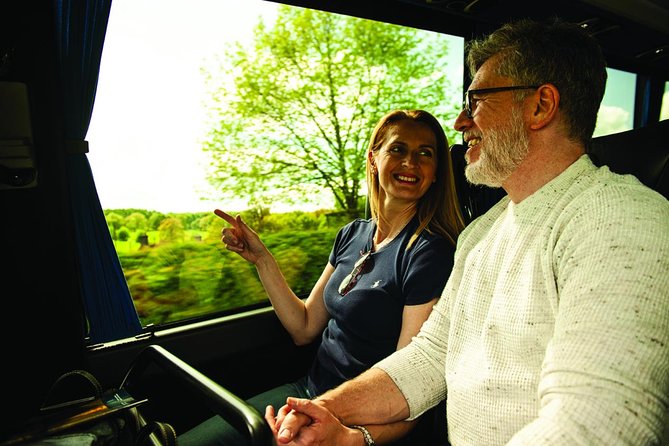
The vehicle is a 16-seat Mercedes mini-coach with air conditioning. There are three steps into the coach, each about 150 millimeters high, with grab handles and non-slip, clearly marked treads.
There is no toilet onboard, but regular restroom breaks are built into the route. The coach is not wheelchair accessible, although a folding wheelchair or walking frame can be stored. You must be able to board and leave independently or with help from your companion.
The 20-kilogram luggage allowance is stricter than what many people expect from a five-day trip. Bring one medium suitcase or rucksack, roughly 55 by 45 by 25 centimeters, plus a small personal bag. Pack light because storage space is limited and moving luggage between B&Bs is easier with a compact bag.
You should be comfortable with steps, uneven ground and short walks. Tintagel, Minack Theatre, Dartmoor and Glastonbury Tor can all involve uphill or rough surfaces. Children must be at least five years old, and children under 1.35 meters need a booster seat arranged in advance.
Who will enjoy this tour most
I would choose this trip if I had five days, wanted to see the major southwest sights and did not want to drive. It works particularly well for solo travelers, couples and small groups who value a guide’s stories and prefer a planned route.
It is also a good first visit to Devon and Cornwall. You get a broad introduction to the area, from Anglo-Saxon England and prehistoric Stonehenge to Arthurian legends, tin mining, television locations and modern art towns.
I would hesitate if your main goal is long coastal walking, beach time or several relaxed days in Falmouth. The schedule is full, and the stop lengths favor coverage over depth. People who prefer independent travel may also find the fixed departure times restrictive.
The guide can make a major difference. Carl, John, June, David Coatsworth, Christo and others have been singled out for local stories, clear explanations, kindness and careful driving. Non-native English speakers should ask guides to slow down if needed, since the commentary can be fast and full of British place names and folklore.
Should you book the Devon and Cornwall tour?
Book it if you want a well-organized overview with excellent driver-guides, included entry to Stonehenge and Tintagel, and the safety of a small coach on narrow Cornish roads. The two-night stays and included breakfasts make the packed route easier to manage.
Skip it if you need long visits at each attraction or want to explore one town at a leisurely pace. Before paying, decide how you feel about short stops, a long final drive to London and optional costs at places such as the Minack Theatre, Winchester Cathedral and Boscastle’s museum.
For the right kind of visitor, this is a practical way to see a large part of southwest England in five days. Pack light, wear sturdy shoes, arrive early at Victoria and leave room in your schedule for the guide’s local suggestions.
FAQ
Where does the tour depart from?
It departs from Green Line Coach Station on Bulleid Way, Victoria, London SW1W 9SA. The departure time is 9:15 a.m., and check-in closes 15 minutes before departure.
How much luggage can I bring?
You may bring up to 20 kilograms per person. This includes one medium-sized suitcase or rucksack, plus a small bag for personal items on the coach.
Which admission fees are included?
Admission to Stonehenge and Tintagel Castle is included. Other admission fees, including optional attractions such as Winchester Cathedral, the Minack Theatre and the Museum of Witchcraft, are not included unless specified.
Where will I stay?
You spend two nights in Exeter or Torquay and two nights in Falmouth. Accommodation is in an en-suite B&B or a three-star hotel, with breakfast included.
Is the tour suitable for children?
Children must be at least five years old. Children who are at least five but under 1.35 meters tall need a booster seat, which should be requested when booking.
Is the coach wheelchair accessible?
No. The coach is not wheelchair accessible, although storage is available for a folding wheelchair or walking frame. You must be able to board and leave the coach independently or with help from a companion.
Recently added around London
- London’s Crown Secret: Self-Guided Royal Puzzle Quest★ 4.5 · 8 reviews
- Postcard London★ 5.0 · 8 reviews
- Private Tour: Downton Abbey London Locations by Taxi★ 5.0 · 8 reviews
- Windsor Castle, Stonehenge & Roman Baths Private Tour★ 4.5 · 8 reviews
- Cotswolds Private Driving Tour from London★ 5.0 · 8 reviews
- A Silent Disco Adventure in London★ 5.0 · 8 reviews
- Skip-the-line London Westminster Abbey and City of Westminster Kid-Friendly Tour★ 5.0 · 8 reviews
- Private Full Day Cotswolds Tour From London★ 5.0 · 8 reviews
London Tours, compared.
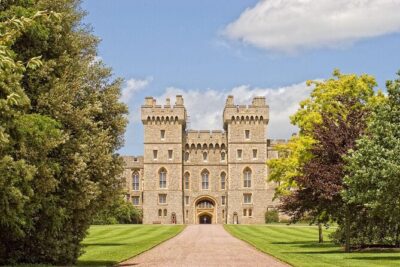
Stonehenge, Windsor Castle, and Bath from London
Read our review →
London Big Bus Hop-On Hop-Off Tour with Optional River Cruise
Read our review →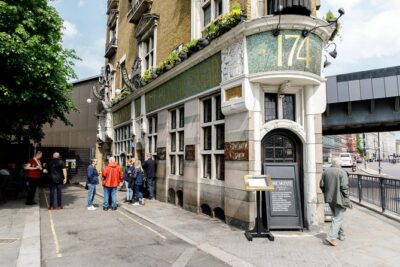

Stonehenge, Windsor Castle and Bath with Pub Lunch in Lacock
Read our review →
Tower of London and Crown Jewels Exhibition Ticket
Read our review →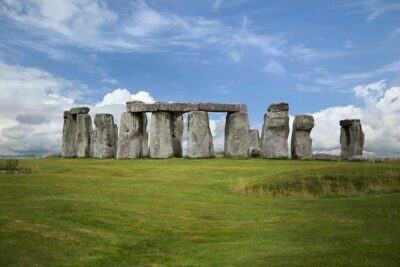
Stonehenge, Windsor Castle and Bath Full Day Guided Tour
Read our review →
Windsor Castle, Stonehenge, and Oxford Day Trip from London
Read our review →