
Reviewed · LAKE DISTRICT TOURS
8 Lakes and Magnificent Scenery – Afternoon Half Day Tour
The best thing about this tour is how much of the Lake District you can see without wrestling with narrow roads, steep passes, or a map. In about four hours, you travel from Windermere to Ullswater, Keswick, Derwentwater, Grasmere, and several high viewpoints, with a guide filling the drive with local stories.
I especially like the small group of no more than seven and the regular stops for fresh air and photos. Guides including Tim, Gillian, Sandra, and Steve have earned strong praise for their storytelling, humor, and careful driving. The trade-off is simple: this is mainly a scenic driving tour, so stops are short and you will not have time for long walks, lake cruises, or full visits to the historic sites.
Key points at a glance
- Eight major lakes in one afternoon: See Ullswater, Brothers Water, Derwentwater, Bassenthwaite, Thirlmere, Grasmere, Rydal Water, and Windermere.
- Kirkstone Pass reaches the high country: Stop near the old inn for broad views toward Windermere and Morecambe Bay.
- Castlerigg Stone Circle feels unusually accessible: Walk close to the ancient stones in a dramatic mountain setting.
- Ashness Bridge and Surprise View deliver the classic photographs: These are among the strongest picture stops of the day.
- A small, air-conditioned minivan keeps the route personal: WiFi and charging points are available for most mobile devices.
- Grasmere Gingerbread is part of the experience: You get about ten minutes to buy the famous local treat.
What this four-hour tour is really designed to do
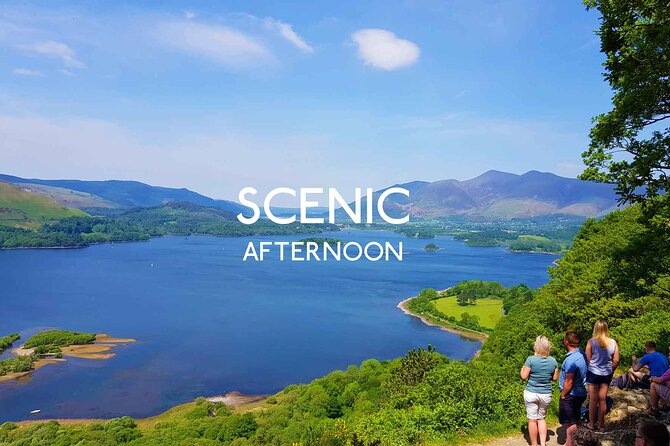
Think of this trip as a fast, guided introduction to the central Lake District rather than a traditional sightseeing day with long visits. You remain in the minivan for much of the route, but the drive is broken up with photo stops, comfort breaks, and short walks on uneven ground.
That format works well on a first day. You get a clear sense of how the lakes and valleys fit together, hear the names of mountains and villages, and discover places you may want to return to later. One useful way to approach it is as a countryside version of a hop-on, hop-off orientation tour, except you are not hopping on and off very often.
The route also gives you something a self-drive outing may not: a local guide who can explain why a lake has its name, what happened beneath its waters, or which poet spent years nearby. Tim is praised for combining facts with humor, while Gillian and Sandra are noted for working well together. Steve has also been singled out for clear, entertaining commentary.
The price is $123.62 per person. That is not a bargain-basement bus ride, but the value improves if you have only one free afternoon, do not want to drive, or would struggle to fit these viewpoints together yourself. Entrance fees for the listed locations are included, though the main attractions on this route are outdoor views rather than ticketed monuments.
A few more Windermere half days worth a look
- Mountain Goat Full Day Tour: Ten Lakes Tour of the Lake District
★ 5.0 · 1,717 reviews - Beatrix Potter’s Half Day Lake District Tour Including Lake Cruise
★ 4.5 · 334 reviews - High Adventure Mountain Passes & Muncaster Castle from Windermere
★ 5.0 · 296 reviews
Kirkstone Pass and the first high views
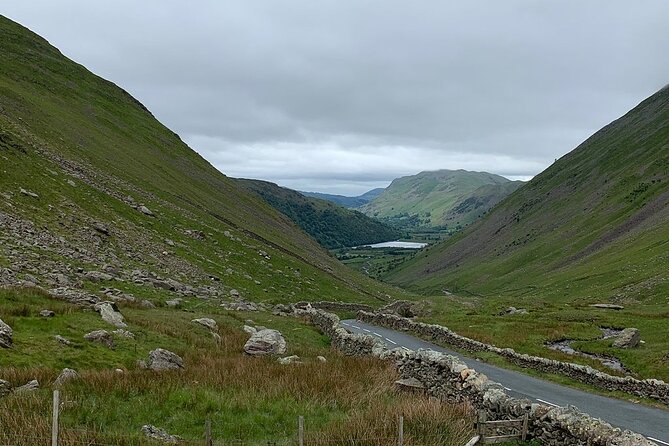
The climb to Kirkstone Pass gives the afternoon an immediate sense of scale. This is the highest road in the Lake District, and the twisting ascent carries you into wilder mountain country above the southern lakes.
You stop near the old Kirkstone Pass Inn for about ten minutes. Take a coat even in summer. The air can be cold and the pass is exposed, but the view is worth the brief chill. Look down the long valley toward Windermere, where the water can sparkle far below. On a clear day, the view may reach Morecambe Bay and the sea.
Herdwick sheep graze among dry-stone walls, while walkers appear as tiny colored marks on old packhorse routes along the fells. The short stop does not allow a proper hike, but it gives you the kind of high-country view that would take planning to reach on your own.
The descent provides another photo opportunity toward Brothers Water. This small body of water has a romantic name linked to the tragic story of two brothers, and it may once have been connected with Ullswater farther down the valley. The road then carries you toward the lake country around Ullswater.
Ullswater, the second-longest lake
Ullswater stretches for almost eight miles in a long, curving shape beneath steep fells. William Wordsworth considered it the finest blend of beauty and grandeur among the lakes, and the setting makes his enthusiasm easy to understand.
The tour gives you about ten minutes here. That is enough to absorb the view and take photos, but not enough for a lakeshore walk or a ride on one of the historic steamers. Oak, birch, and hazel woods line parts of the shore, giving Ullswater a more natural feel than some of the developed areas around Windermere.
As you approach the southern end, the guide points out small villages, walking routes, and the valley’s former lead-mining industry. Glenridding is linked with the old Greenside mine, once one of Britain’s important lead mines. Today, it is a base for walkers, with pubs, a youth hostel, mountain rescue facilities, and views toward the water.
You also pass Brothers Water and the surrounding woodland. The drive-by views are brief, so keep your camera ready and pay attention to the guide. This is one of the tour’s recurring patterns: you see many places in passing, then pause at the viewpoints chosen for the strongest views.
Castlerigg Stone Circle above Keswick
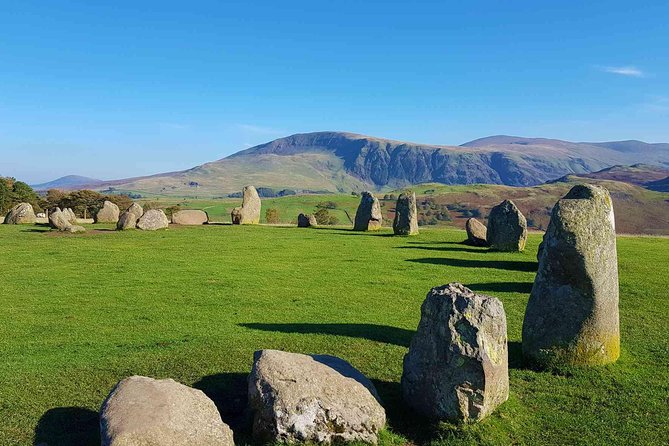
Castlerigg is one of the most memorable stops because it combines ancient stonework with a wide mountain setting. Forty-eight stones were placed here more than 5,000 years ago, though the purpose of the circle remains uncertain.
You have about fifteen minutes and a short walk to reach the stones. Unlike at Stonehenge, you can get close to the circle, which makes the visit feel more direct. The surrounding peaks give the site a strong sense of place, and even visitors who are not especially interested in prehistoric monuments should find the setting rewarding.
The ground can be uneven or wet. Comfortable shoes matter here, as they do at the other outdoor stops. Fifteen minutes is enough to walk around, take photographs, and listen to the guide, but not enough to linger in a reflective way if the weather is poor or the group is moving slowly.
A completely different sort of day out in Windermere:
- Ultimate Full-Day Lake District Tour: 10 Lakes, Amazing Scenery & Lake Cruise
★ 5.0 · 166 reviews - Beatrix Potter: Morning Half Day with an Expert Guide – includes entrance fees
★ 5.0 · 150 reviews - Six Lakes Spectacular
★ 5.0 · 99 reviews - Beatrix Potter Afternoon Half Day – includes Hill Top and Cruise
★ 5.0 · 69 reviews
Ashness Bridge and Surprise View
The road to Ashness Bridge is narrow and steep, which is one reason this tour is useful for people who do not want to drive. You travel up a hidden single-track road to an old dry-stone packhorse bridge above a tumbling stream.
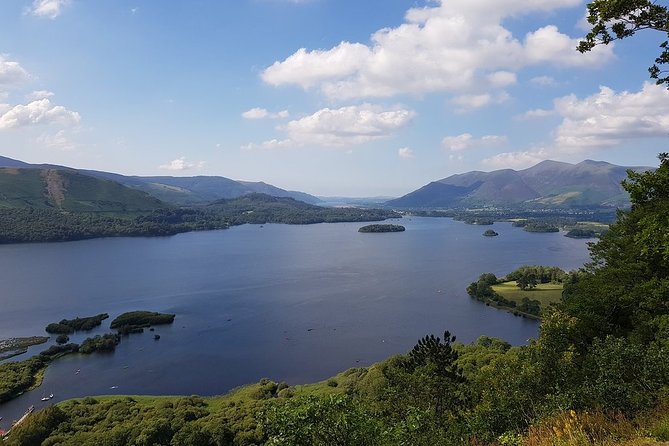
The stop lasts about ten minutes. From the bridge, you look across Derwentwater toward the Skiddaw range and the town of Keswick. This is a classic Lake District image, with stone, water, woodland, and high fells packed into one frame.
A little later, Surprise View provides an even broader panorama. From the oak-lined viewpoint, you can see Derwentwater, Borrowdale, Keswick, Bassenthwaite, and the surrounding mountains. In clear conditions, the view may extend toward the Solway and Scotland.
You have about fifteen minutes here, enough for several photographs and a stretch of the legs. This is one of the tour’s most valuable features: the driver handles roads that can be awkward for visitors unfamiliar with the area, while you concentrate on the view.
Derwentwater and Bassenthwaite from the road
Derwentwater is often called the Queen of the English Lakes, and the drive along its shore explains why. Islands break up the water, while Cat Bells and the Jaws of Borrowdale give the scene a theatrical outline.
The route includes stories about hermits, squirrels, hedgehogs, and mock sea battles. That mix of natural detail and local folklore keeps the drive from becoming a silent procession of pretty views. You also pass through Keswick, the main tourist town at the northern end of the lake.
Keswick has a long connection with mining, followed by a shift toward tourism after the railway arrived in 1865. You see the Moot Hall and hear about the town’s name, local saints, poets, and its unusual museum. The town has shops, cafes, hotels, and Victorian guest houses, but this tour does not give you time to explore it independently.
From Surprise View, Bassenthwaite appears in the distance. It is the northernmost major lake and has especially protected shores, with many plant and animal species. More than 70 bird and wildfowl species use the area during the year, and ospreys can sometimes be seen. Bassenthwaite is also one of the few British places where vendace, a small fish related to Arctic species, survives.
The stop for Bassenthwaite is listed as about five minutes, so treat it as a viewpoint rather than a full lake visit.
Thirlmere, Helvellyn, and Blencathra
The drive south brings you along Thirlmere, a tree-fringed lake backed by Helvellyn. Beneath the water lie the former villages of Armboth and Wythburn, lost when Manchester developed the reservoir in the nineteenth century.
The story adds useful context to the scenery. Thirlmere is not simply a quiet stretch of water. It also reflects the tensions between rural communities, industry, wealth, and the growing needs of a major city.
Helvellyn rises nearby as the third-highest mountain in the Lake District. Walkers know it for Striding Edge, a narrow ridge route with steep drops and scrambling. You remain safely in the minivan, which is good news if heights are not your thing.
The guide also shares the story of the Helvellyn Weather Assessors, who climb the mountain through the winter months to record snow, wind chill, temperature, and avalanche risk. A tale connected with Wordsworth and an artist’s dog named Foxie adds a more personal note to the mountain’s history.
As you move toward Keswick, Blencathra becomes the dominant peak. Its name means Saddleback in the old Cumbric language, and the shape is clear from the road. The mountain has six fell tops, ancient rock, and the famous Sharp Edge ridge. The tour does not attempt the route, but the guide explains why it is regarded as a serious scramble.
Grasmere, Rydal Water, and Wordsworth country
The southern part of the tour turns toward the literary heart of the Lakes. Grasmere sits within a ring of fells, with the River Rothay and an old church at the center of the village.
You pass Dove Cottage, where William Wordsworth lived with his sister Dorothy, his wife, and his children. The stop is only about two minutes, so you get a quick photograph rather than entry to the cottage. If you want to tour Dove Cottage properly, you will need to return independently.
Grasmere itself is usually a brief pass-through, but the guide explains the village’s connection with Wordsworth, who lived here for more than a decade and was later buried in the churchyard. The setting is especially appealing for anyone interested in poetry, though the short timing may frustrate visitors hoping to browse the village or walk beside the lake.
The ten-minute stop at the Grasmere Gingerbread Shop is more practical. The gingerbread was created in 1854 and is a spicy-sweet cross between a biscuit and a cake. The shop also sells rum butter, toffee, fudge, chocolates, preserves, ginger beer, Kendal Mint Cake, and other local treats.
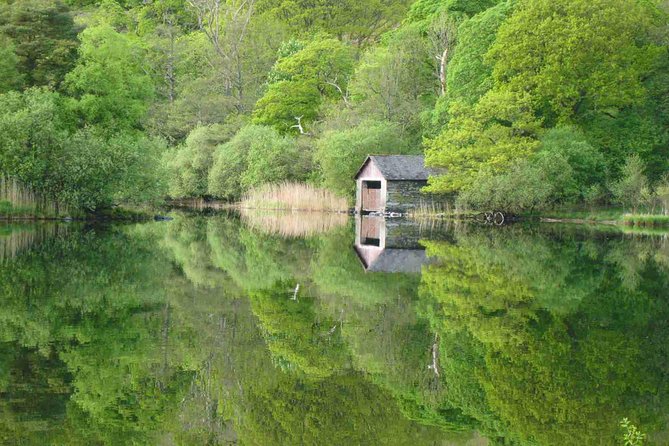
Rydal Water is smaller and quieter than Grasmere. You mainly see it from the road, including the rocky knoll with steps leading to Wordsworth’s Seat, said to have been one of the poet’s favorite places to look over the water.
The lake is about three-quarters of a mile long, a quarter mile wide, and around 50 feet deep. Its reeds, birds, wooded edges, and changing colors make it attractive in every season. You should not expect time to climb to the viewpoint, but the passing view gives you a reason to return.
Windermere, Ambleside, and the end of the route
Windermere is England’s largest and most visited lake, and it gives the tour a fitting finale. From the road, you see wooded slopes, grassy banks, rocky inlets, and the northern peaks that have shaped the popular image of the Lake District.
The guide covers the lake’s formation, Roman activity, boats, unusual fish, and local folklore. Windermere is also tied to the villages of Windermere and Bowness, which are often confused. Windermere village grew around the Victorian railway and sits uphill from the water. Bowness is the older lakeside settlement, with a promenade, boat trips, rental boats, cafes, bars, and restaurants.
Your chosen pickup point matters. Windermere village meeting points are near the railway station, while Bowness pickup is outside Pier 1 beside the lake. Ambleside is another central pickup area, and its position makes it a useful base for the southern lakes.
You pass Ambleside’s slate buildings, the tiny Bridge House over Stock Ghyll, and the site of the Roman fort Galava. Bridge House is one of the area’s most photographed buildings, but the tour slows only for a quick look and photo. You will not have a full town visit.
Comfort, group size, and practical limits
The air-conditioned minivans have WiFi and charging points for most mobile devices. Several short comfort stops help, especially during a four-hour route, and the small vehicle makes it easier to use narrow roads and viewpoints.
The group limit is seven people. That is a real benefit for questions and conversation, but do not assume every seat offers the same view. One person found the back crowded, especially with long legs, and had trouble seeing through the window at times.
Bring a waterproof coat with a hood. Lake District weather can shift quickly, even in summer, and several stops are exposed. Wear shoes suitable for short walks over wet or uneven ground.
Children under seven cannot join. Children who do attend need an adult, and every passenger requires a purchased seat. Service animals are allowed, and most people can take part, but this is not a fully accessible sightseeing vehicle experience based on the information provided.
Food and drinks are not included. The gingerbread stop gives you a chance to buy something, but bring water and any snack you may need.
Who should book the afternoon tour?
Book it if you want a broad first look at the Lake District, prefer not to drive, or have limited time around Windermere. It is also a good choice for photographers, first-time visitors, and anyone who enjoys local tales as much as mountain views.
Skip it if you want long walks, museum visits, a boat cruise, or quiet time beside one lake. The route covers a great deal of ground, and some stops last only two, five, ten, or fifteen minutes.
At $123.62, I see the tour as good value when you treat it as a guided orientation with skilled driving and a small group. Choose it early in your stay, then return on your own to Grasmere, Rydal Water, Keswick, or Ullswater if one place catches your attention. Free cancellation is available up to 24 hours before departure, and poor weather may lead to a new date or full refund.
FAQ
How long does the 8 Lakes and Magnificent Scenery tour last?
The tour lasts approximately four hours and runs in the afternoon.
Where does the tour depart?
Pickup points include Windermere railway station, Bowness Pier 1, Ambleside, and Oxenholme Station, depending on the option selected.
How many people can join the tour?
The maximum group size is seven travelers.
Which lakes can I see?
The route includes Ullswater, Brothers Water, Derwentwater, Bassenthwaite Lake, Thirlmere, Grasmere, Rydal Water, and Windermere.
Is food included?
No. Food and drinks are not included, although the tour stops at the Grasmere Gingerbread Shop.
Are entrance fees included?
Yes. Entrance fees for locations on the route are included. Several stops are outdoor viewpoints or brief photo stops.
Is there much walking?
There is some short walking, including uphill sections and uneven or wet ground. Suitable, comfortable shoes are recommended.
Can children join?
Children under seven cannot join. Older children must be accompanied by an adult, and every passenger needs a purchased seat.
What happens if the weather is poor?
The experience requires good weather. If the operator cancels because of poor weather, you will be offered another date or a full refund.
Recently added around Windermere
- Ten Lakes Tour – Full Day – Up to 4 People★ 5.0 · 9 reviews
- Private Yorkshire Dales from Windermere in a 16 seater Mercedes★ 5.0 · 10 reviews
- 4 hour Private Lake District tour (tour B)★ 5.0 · 10 reviews
- William Wordsworth: Morning Half Day Tour with an Expert Guide★ 4.5 · 11 reviews
- Private Tour: The Brontes: Full Day All-Inclusive Tour with an Expert Guide★ 5.0 · 12 reviews
- Lakes & mountains, spectacular scenery with an easy short walk★ 5.0 · 13 reviews
- 8 Lakes in a Morning★ 5.0 · 13 reviews
- Tales of the Lake District: A Self-Guided Drive Around Windermere★ 4.0 · 14 reviews
Lake District Tours, compared.
Mountain Goat Full Day Tour: Ten Lakes Tour of the Lake District
Read our review →
Beatrix Potter’s Half Day Lake District Tour Including Lake Cruise
Read our review →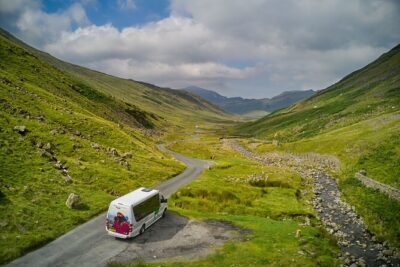
High Adventure Mountain Passes & Muncaster Castle from Windermere
Read our review →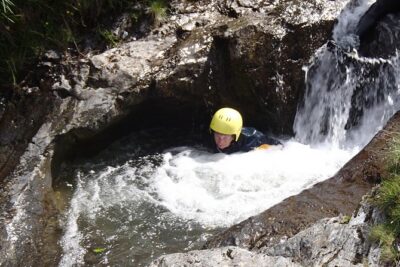
Ghyll Scrambling Water Adventure in the Lake District
Read our review →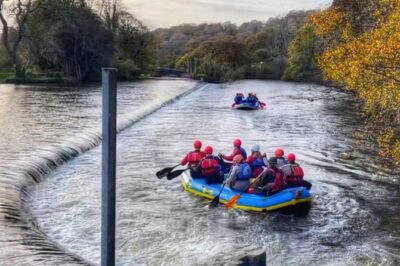
Brilliant White Water Rafting in the Lake District UK
Read our review →
Ultimate Full-Day Lake District Tour: 10 Lakes, Amazing Scenery & Lake Cruise
Read our review →
Beatrix Potter: Morning Half Day with an Expert Guide – includes entrance fees
Read our review →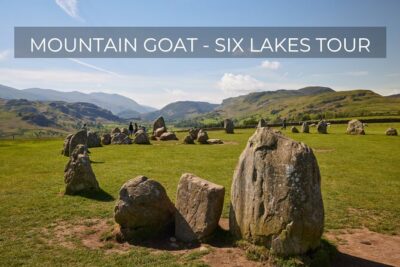
Browse the lists this tour appears in