Reviewed · LONDON TOURS
Greenwich Highlights Private Half Day Tour
Greenwich gives you a different London: naval power, royal art, scientific discovery, and a famous view across the Thames, all in one compact district. This private tour focuses on the National Maritime Museum and Queen’s House, with time for wider Greenwich sights and a guide who can shape the visit around your interests.
I like the small maximum of six, which makes it easier to ask questions and avoid being lost in a large crowd. I also like that admission fees are included, and that guides such as Graham Bleasdale have made the past feel lively through stories about longitude, clipper ships, architecture, and the old time signal at the observatory. The main caution is the price: at $405.40 per person, this is a serious splurge, and the walking can be strenuous, especially on the steep climb toward the Royal Observatory.
Key points
- Greenwich beyond central London: See naval museums, royal architecture, the Cutty Sark area, and the Thames setting.
- Private group of up to six: You receive direct attention rather than trying to hear a guide in a crowd.
- Two major indoor sights included: The National Maritime Museum and Queen’s House admissions are covered.
- A strong guide matters: Graham Bleasdale has been especially praised for clear explanations and flexible pacing.
- Expect plenty of walking: The route can include steep paths and stairs, particularly near the Royal Observatory.
- A costly but focused option: The price makes the tour best for couples, families, or small groups that value personal guidance.
Why Greenwich makes a smart half-day away from central London
Greenwich is not just another stop on a London sightseeing list. It brings together Britain’s seafaring past, royal culture, astronomy, architecture, and river trade in a small area where the sights connect naturally.
You can learn how sailors once measured time and position at sea, see grand royal art, walk among buildings tied to the Royal Navy, and look out across the Thames toward modern London. That mix gives the district a character of its own. You are still in London, but the pace and subject matter feel different from the West End, Westminster, or the City.
The tour lasts about three and a half hours and begins at 10:00 a.m. It is private, with only your group taking part, and the stated group limit is six people. That setup is valuable here because Greenwich has many details that are easy to miss without context. A guide can point out why a building looks the way it does, explain the practical purpose behind an old instrument, or change the pace when one part of the visit catches your interest.
The published score is 4.8 from 23 ratings, with 96 percent of customers recommending the experience. That is a strong record, though one poor account points to an important practical issue: confirm where the tour will finish before you set off, especially if the guide takes you to the Royal Observatory or another high point.
A few more London half days worth a look
- Stonehenge, Windsor Castle, and Bath from London
★ 4.5 · 18,662 reviews - London Big Bus Hop-On Hop-Off Tour with Optional River Cruise
★ 3.5 · 10,803 reviews - London Small Group Tour of Historical Pubs
★ 5.0 · 10,422 reviews
The National Maritime Museum and Britain’s seafaring story
The National Maritime Museum is the main indoor stop and receives about two hours. Admission is included, so you do not need to budget separately for the museum ticket.
This is the largest maritime museum in the world, and the tour takes you into selected galleries rather than leaving you to wander without direction. The Nelson gallery is one named focus. It connects naval history with the career and public image of Horatio Nelson, the admiral associated with Britain’s victory at Trafalgar.
The Tradewinds gallery provides a broader look at ships, trade, and the movement of goods across oceans. This is where a guide can help you connect individual objects to larger forces: commerce, empire, naval power, and the daily work of sailors.
I like the way a guided museum visit can protect you from spending your limited time on displays that do not match your interests. If you already know a little about naval history, you can ask for more detail. If the subject is new to you, a good guide can explain the basic story before adding smaller details.
The museum also provides the planned coffee or tea break at its cafe. Food and drinks are not included, so bring money for this pause. It is a useful moment in a fast-moving morning, especially because the rest of the experience may involve a lot of walking.
The practical drawback is time. Two hours is enough for selected galleries and a guided introduction, but not enough to see everything in a museum of this size. You should think of this as a carefully chosen introduction, not a complete museum visit.
Queen’s House and the Armada portrait
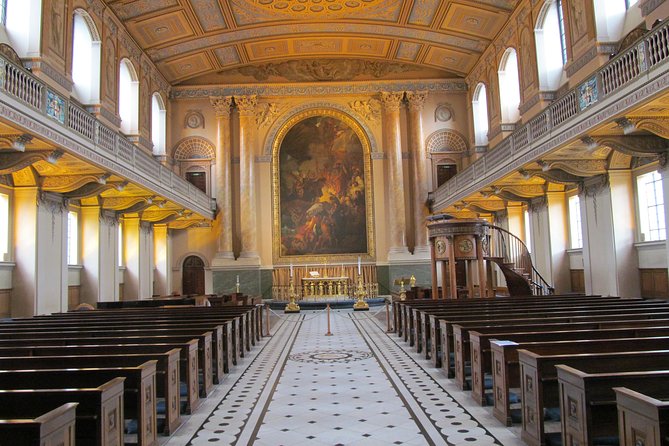
Queen’s House takes about one hour and offers a sharp change of mood after the maritime museum. Instead of ships and naval collections, you get royal art inside one of London’s most important classical buildings.
The house was designed by Inigo Jones after his travels in Italy. At the time, its classical style was a major departure from older English palace design. The building matters not only because of its royal connection but also because it helped introduce a new architectural language to England.
Today, Queen’s House serves as the art gallery for Royal Museums Greenwich. Its best-known work is the Armada portrait of Queen Elizabeth I. The painting presents Elizabeth as a ruler tied to national power, naval success, and the defeat of the Spanish Armada. Seeing it in the setting of Queen’s House helps make the connection between royal image-making and maritime ambition easier to understand.
I would pay attention to the building as much as the paintings. Look at the clean lines, the classical balance, and the way the design differs from the more crowded forms often associated with older English royal buildings. A guide who understands architecture can make this stop far more rewarding than a quick photo outside.
The one-hour visit is well judged for a half-day tour. You get enough time to understand the building and see key art without using the whole morning indoors. If your main interest is painting, you may want more time than the schedule allows. If you prefer a mix of architecture, art, and history, this is a strong middle section.
Greenwich sights beyond the two named museums
The public description gives Greenwich itself three hours as a free stop, while the overall experience lasts about three and a half hours. That timing is not perfectly clear on paper, so you should ask your guide how the time is divided between the museums and the outdoor sights.
The wider Greenwich visit can include several important places. Experiences described with guides such as Graham Bleasdale have included the Cutty Sark, the Old Royal Naval College, the Royal Observatory, and the Prime Meridian. These additions make sense because they help tie the museum displays to the actual place where Britain’s naval and scientific story developed.
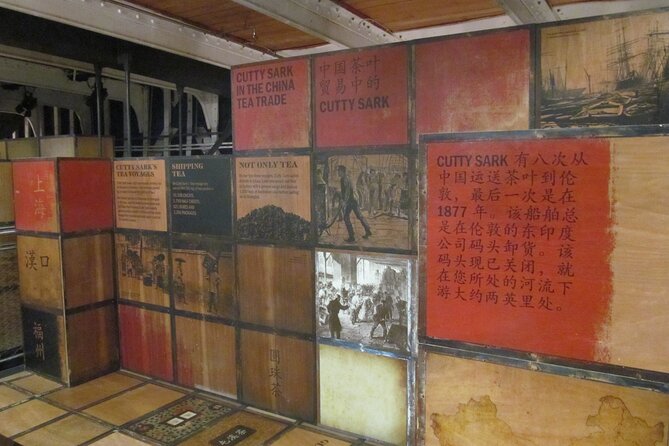
The Cutty Sark is a highlight for anyone curious about sailing ships and trade. You can learn how clipper ships carried goods, how speed mattered on long ocean routes, and what life was like for sailors aboard ship. The vessel gives the subject a physical scale that museum cases cannot match.
The Old Royal Naval College adds another layer of architecture and institutional history. A guide can help you read the buildings, understand the work of their architects, and see how older structures relate to newer development on both sides of the river.
The Royal Observatory brings the science into focus. Longitude was once one of the great practical problems of ocean travel. Sailors could estimate latitude, but working out east-west position at sea was much harder. The observatory’s instruments and displays show how timekeeping helped solve that problem.
The Prime Meridian is the obvious photo stop, but it is better when you understand why the line matters. It is tied to the global system of measuring longitude and to Greenwich’s role in setting the reference point used by maps and clocks.
One guide described in the feedback, Graham Bleasdale, has been particularly effective at connecting these pieces. He explains technical subjects in plain language, answers questions directly, and adjusts the route when a visitor wants to spend more time on instruments, ships, or architecture. That flexibility is one of the main reasons to choose a private tour rather than a fixed group walk.
A completely different sort of day out in London:
- Stonehenge, Windsor Castle and Bath with Pub Lunch in Lacock
★ 4.5 · 7,402 reviews - Tower of London and Crown Jewels Exhibition Ticket
★ 4.5 · 6,677 reviews - Thorpe Park Admission Ticket
★ 4.0 · 5,915 reviews - Stonehenge, Windsor Castle and Bath Full Day Guided Tour
★ 4.5 · 5,346 reviews
The red time ball and a useful Greenwich detail
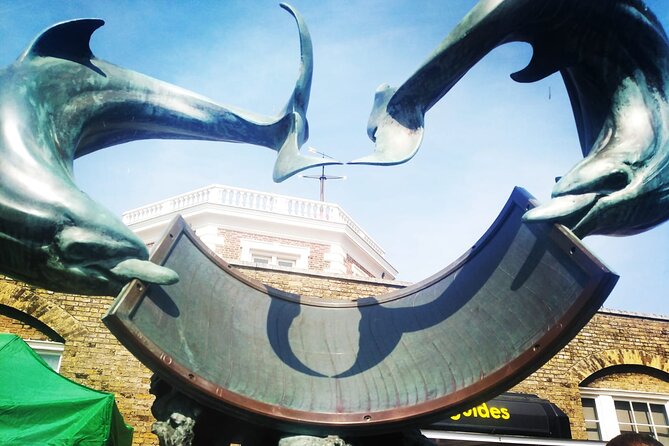
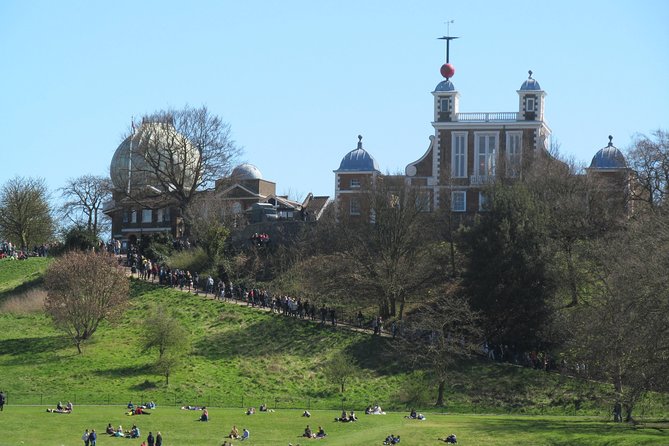
A small red ball on a rooftop near the observatory offers one of Greenwich’s more unusual details. It was used as a visual time signal for ships on the river. When the ball dropped, captains and crews could set their clocks to the correct time.
The signal was once practical, not a piece of entertainment. Accurate time was essential for navigation, ship movements, and daily work along the Thames. If the ball is operating during your visit, your guide may be able to time the route so you can watch it.
One account describes reaching the observatory with five minutes to spare for the 1:00 p.m. drop, although an electrical storm had prevented it from operating that day. That is a useful reminder not to build your entire morning around the event. Treat it as a bonus, not the main reason to book.
Walking, hills, and the question of pace
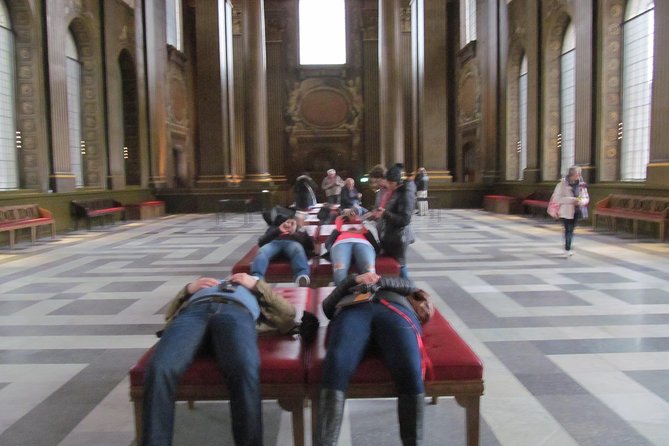
You should be comfortable walking for much of the tour. The climb to the Royal Observatory is notably steep, and the route may also involve stairs and extended time on your feet.
The private format helps here. A guide can slow down, choose a more comfortable order, or give you a moment to rest. Still, the activity asks for moderate physical fitness, and you should not choose it if a steep uphill walk would be difficult.
Wear comfortable shoes. That advice is basic but important. The quality of the tour depends partly on your ability to stay alert while moving between museums, outdoor sights, and higher ground.
There is also a practical point about the end of the tour. The stated arrangement says the activity ends back at the meeting point. One unhappy account describes being left at the top of the observatory instead. I would confirm the exact return plan at the start, and I would not assume that an optional high-point visit automatically includes an escorted walk back down.
What the small private group changes

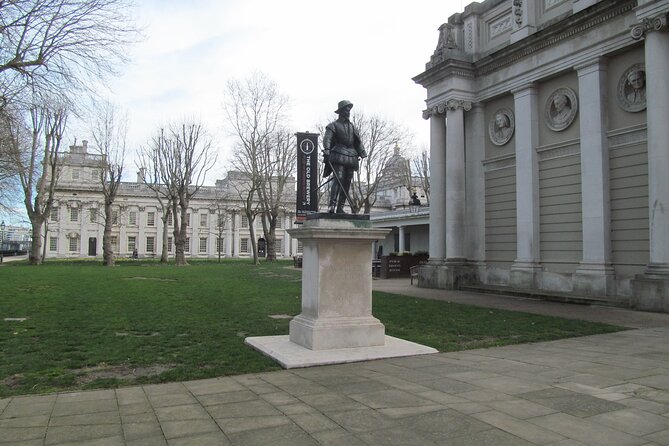
A group limit of six is one of the tour’s best features. Greenwich can attract large organized groups, especially around popular statues and major viewpoints. In a crowd of 50 or more, it can be hard to hear explanations or ask anything beyond a quick question.
With a private guide, you can ask why a building was designed in a certain way, spend extra time on navigation instruments, or move through a gallery at a pace that suits your group. One account describes a couple spending extra time on longitude devices while the guide adjusted the schedule around their interest.
This is also useful for families. Children must be accompanied by an adult, and a guide can explain difficult subjects through stories and clear examples. The tour is not designed as a special children’s program, so parents should judge the museum time and walking distance against their children’s patience.
The small format does not guarantee a perfect experience. The guide is still the key variable. The strongest feedback centers on Graham Bleasdale, described as friendly, interactive, and able to make complex subjects vivid. The poor experience described above shows why the quality of the individual guide and clear communication about the route matter so much.
Is the $405.40 price good value?
At $405.40 per person, this is expensive for three and a half hours. The price is easier to justify if you are a small group that wants a private expert rather than a standard shared tour.
Admission tickets and guide fees are included, and there are no hidden admission costs stated. Food and drinks are extra, including the museum cafe stop. Since the tour requires at least two people per booking and allows up to six, the cost works best when shared among a couple, family, or close-knit group that values privacy.
You are paying for more than entry tickets. You are paying for planning, interpretation, a route through several connected sights, and the chance to shape the visit around your questions. That can be worthwhile in Greenwich, where the meaning of the buildings and objects is not always obvious at first glance.
The price is harder to defend if you mainly want to see the outside of the observatory, take a photo at the meridian, and stroll through the park. Independent visitors can explore Greenwich without paying for a private guide, though they would need to arrange their own route and museum admissions.
Who should book this Greenwich tour?
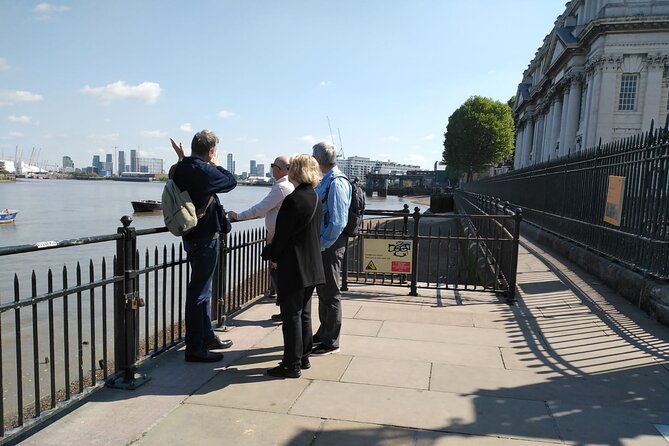
I would choose this experience if you want Greenwich explained rather than simply photographed. It suits couples, families, and small groups with an interest in ships, royal history, science, architecture, or London’s relationship with the Thames.
It is also a good fit if you dislike large tours. The ability to ask questions and alter the emphasis can make the difference between a pleasant museum visit and a memorable one.
I would hesitate if you have a strict budget, limited mobility, or only want one attraction. The walking and steep climb need to be taken seriously, and the route details should be confirmed before departure.
Free cancellation is available up to 24 hours before the start time. Changes or cancellations inside that window are not accepted for a refund. The meeting point is listed at FXMR+6GP in London, and the activity begins at 10:00 a.m. It is near public transportation, with confirmation provided at booking.
Should you book it?
Book this tour if personal guidance and context matter more to you than keeping costs low. The National Maritime Museum and Queen’s House provide a solid core, while the wider Greenwich sights can add the Cutty Sark, Old Royal Naval College, Royal Observatory, and Prime Meridian.
Before paying, confirm the precise meeting point, the planned return point, and how much time will be spent on the outdoor sights. If you receive a guide with the teaching skill and flexibility associated with Graham Bleasdale, the private format can turn Greenwich into one of London’s most rewarding half-days. If your priority is simply seeing the sights cheaply, explore independently instead.
FAQ
Where does the Greenwich Highlights Private Half Day Tour take place?
The tour takes place in Greenwich, London. The listed meeting point is FXMR+6GP, London, UK.
What time does the tour begin?
The tour starts at 10:00 a.m.
How long does the experience last?
The stated duration is approximately three hours and 30 minutes.
How many people can join the private tour?
The activity is private and limited to your group. The maximum group size is six people, and at least two people are required for a booking.
Which admissions are included?
Admission to the National Maritime Museum and Queen’s House is included. The tour also includes the guide, all fees, and taxes.
Are food and drinks included?
No. Food and drinks are not included. A coffee or tea break is planned at the museum cafe, but you pay for your own refreshments.
Does the tour include the Royal Observatory and Prime Meridian?
The main stated stops are the National Maritime Museum, Queen’s House, and Greenwich. Details from the experience include the Royal Observatory and Prime Meridian, but you should confirm the precise route and time allocation with your guide.
Is the tour suitable for children?
Children must be accompanied by an adult.
How fit do I need to be?
You should have a moderate level of physical fitness. The tour can involve substantial walking and a steep climb to the Royal Observatory.
What is the cancellation policy?
You can cancel up to 24 hours before the experience starts for a full refund. Cancellations or changes made less than 24 hours before the start time are not accepted for a refund.
Recently added around London
- London’s Crown Secret: Self-Guided Royal Puzzle Quest★ 4.5 · 8 reviews
- Postcard London★ 5.0 · 8 reviews
- Private Tour: Downton Abbey London Locations by Taxi★ 5.0 · 8 reviews
- Windsor Castle, Stonehenge & Roman Baths Private Tour★ 4.5 · 8 reviews
- Cotswolds Private Driving Tour from London★ 5.0 · 8 reviews
- Skip-the-line London Westminster Abbey and City of Westminster Kid-Friendly Tour★ 5.0 · 8 reviews
- A Silent Disco Adventure in London★ 5.0 · 8 reviews
- Gangster Tour of Soho★ 4.5 · 8 reviews
London Tours, compared.
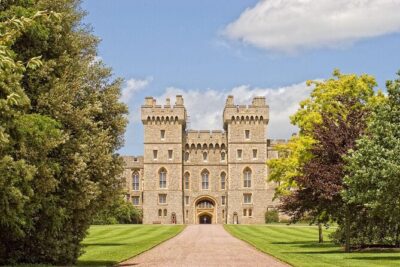
Stonehenge, Windsor Castle, and Bath from London
Read our review →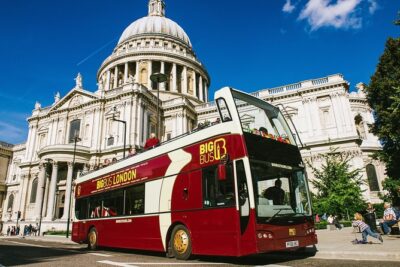
London Big Bus Hop-On Hop-Off Tour with Optional River Cruise
Read our review →
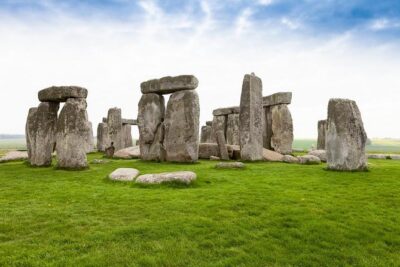
Stonehenge, Windsor Castle and Bath with Pub Lunch in Lacock
Read our review →
Tower of London and Crown Jewels Exhibition Ticket
Read our review →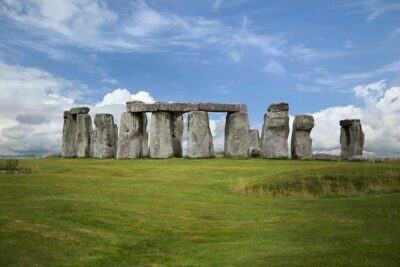
Stonehenge, Windsor Castle and Bath Full Day Guided Tour
Read our review →
Windsor Castle, Stonehenge, and Oxford Day Trip from London
Read our review →