
Reviewed · WORKSHOPS
Melt Chocolate’s Magical Master Class
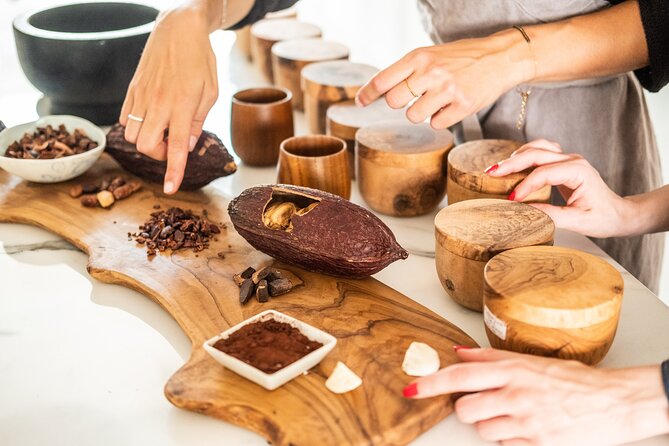
The best part of this three-hour class is that you do not simply decorate ready-made sweets. You follow chocolate from cocoa bean to finished bar, cracking, winnowing, grinding, tasting, tempering, and shaping it yourself in the heart of Notting Hill.
I like the small maximum of six people, which should give you useful time with Melt’s chefs instead of leaving you to watch from the back. I also like the generous amount you make: two dark chocolate bars, a dozen bonbons, and a praline bonbon. The main consideration is price. At $204.39 per person, this is a serious spend, even with ingredients and professional materials included.
Key Points
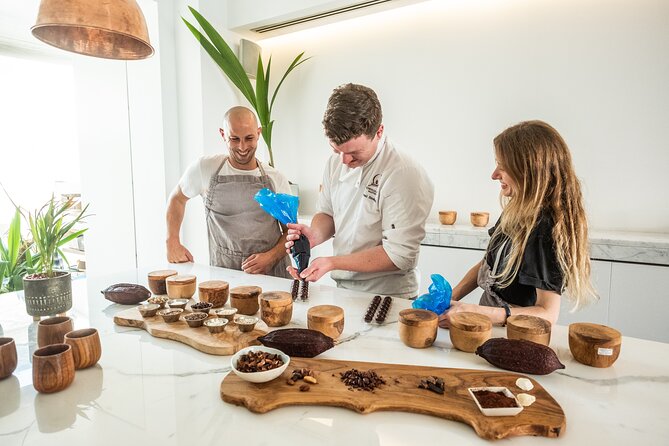
- Bean-to-bar work: Crack and winnow cocoa beans, then grind them with a pestle and mortar.
- Hands-on chocolate making: Prepare ganache, temper chocolate, enrobe bonbons, and mold your own bars.
- Small class size: The maximum is six people, allowing for a more personal lesson.
- Plenty to take home: You make two dark chocolate bars and around a dozen bonbons, including a crunchy praline bonbon.
- Notting Hill setting: The class begins and ends at Melt Chocolates, 59 Ledbury Road.
- Useful practical terms: The class lasts about three hours, runs in English, and includes ingredients but not transport.
From Cocoa Bean to Chocolate Bar in Three Hours
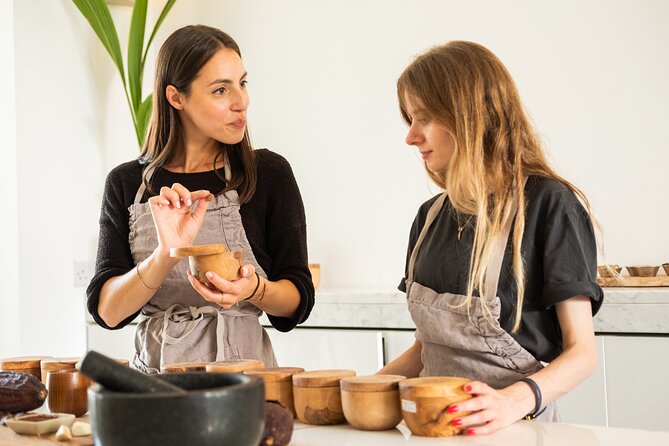
Melt’s class follows the basic path of chocolate making rather than jumping straight to the decorating stage. That makes it more interesting for anyone who wants to understand why chocolate tastes and behaves as it does.
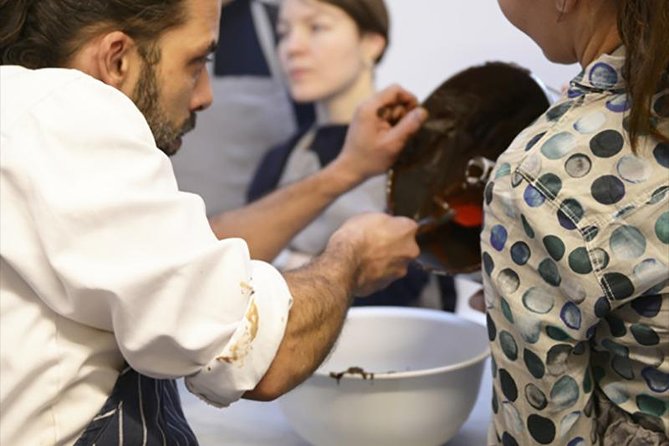
You begin with cocoa beans. You crack them open and winnow them, removing the husks so you can work with the useful cocoa pieces inside. This is a simple but important step. It shows you that finished chocolate starts as a raw agricultural product, not as a smooth mixture poured from a factory machine.
Next comes the grinding. Using a pestle and mortar, you work the cocoa beans by hand. It is physical work, and that is part of the point. You get a sense of how much processing is needed before cocoa begins to feel like the chocolate you know.
Melt’s chefs guide you through tasting at each stage. As the chocolate changes, you can notice different flavor notes develop. That tasting element gives the class more value than a standard sweets workshop, because you are not only making food. You are learning to pay attention to texture, aroma, and flavor.
The bean-to-bar section also includes a short history of chocolate, including the way the Aztecs prepared cocoa. This context helps connect the practical work in the kitchen with the older traditions behind the ingredient.
The class description calls the transformation magical, but the real appeal is more grounded. You see the work involved, handle the ingredients, and gain a better idea of why good chocolate requires care at every stage.
More dessert stops in London:
- Mayfair Chocolate Tour
★ 5.0 · 443 reviews - The Chocolate Cocktail Club London
★ 4.5 · 30 reviews - West End Donut Adventure Sweets and Sights in London
★ 5.0 · 20 reviews
Making Two Dark Chocolate Bars
After working with cocoa, you move toward finished chocolate. The main project is a dark chocolate bar, and you can make two bars to take home.
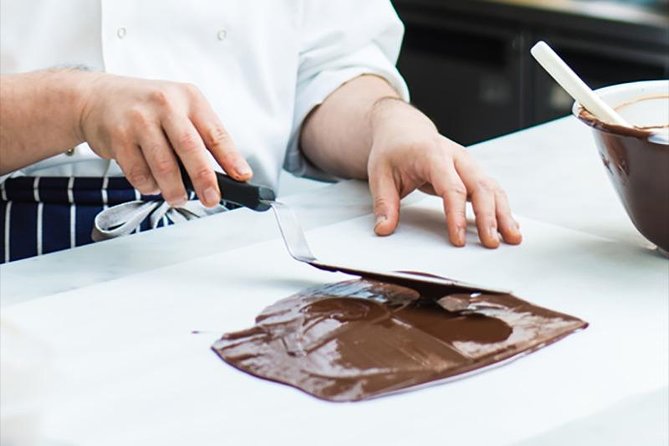
The class includes tempering, one of the key techniques in chocolate work. Tempering controls the cocoa butter crystals so the finished chocolate can set with a firm texture and a clean snap. It also helps create a smooth appearance rather than a dull, streaky surface.
For a beginner, tempering can be the most useful technique in the whole session. It is also one of the easiest to get wrong at home. The class gives you the chance to learn the process with professional materials and chef guidance, rather than guessing with a bowl and a thermometer in your own kitchen.
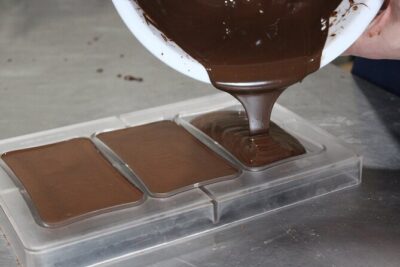
You then pipe or mold the chocolate into your own bar. The result is not just a sample eaten at the table. You take both bars home in Melt’s packaging and a designer bag, which makes them practical gifts if you can resist eating them first.
The focus here is dark chocolate, so this may not be the right choice if you strongly prefer milk or white chocolate. The supplied information does not promise a choice of chocolate style, and the main bar project is specifically described as dark chocolate.
Ganache, Bonbons, and a Crunchy Praline
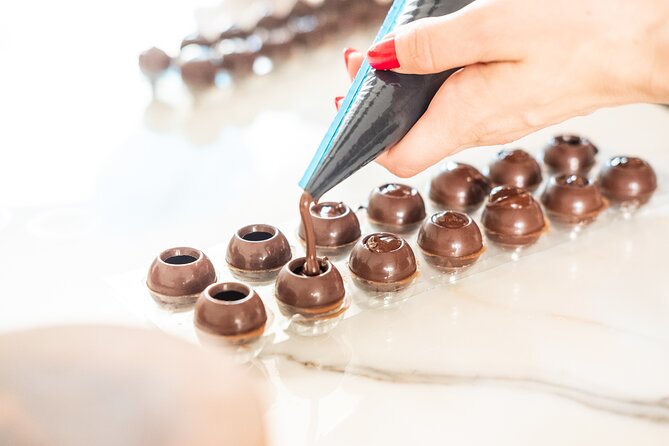
The second major part of the class centers on bonbons. You learn how to make ganache, a smooth chocolate filling that forms the center of many filled chocolates.
You then enrobe the bonbons, covering the filling in a shell of chocolate. This is where tempering becomes useful again. A well-tempered coating gives the bonbons a polished finish and a satisfying bite.
The planned amount is generous: around a dozen bonbons. That gives you enough pieces to keep, share, or offer as gifts. It also leaves room to learn through repetition. Making one chocolate can feel like a demonstration. Making a dozen gives you a better chance to understand the movement and timing.
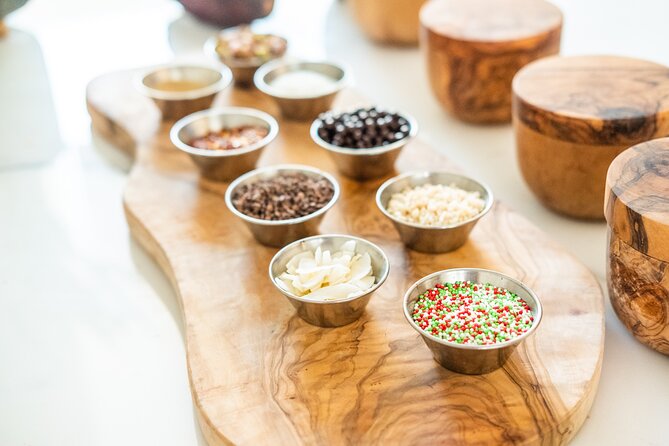
You also make Melt’s signature crunchy praline bonbon. Praline adds a different texture from smooth ganache, so this part broadens the lesson. You are not making one uniform type of sweet. You work with a soft filling, a crisp element, a chocolate shell, and the finishing steps that bring them together.
The exact decorative designs are not specified, so you should book this for the making process rather than expecting a particular shape or themed collection. The useful question is not how fancy each bonbon looks. It is how much you learn while producing a box of chocolates that you made yourself.
Why the Six-Person Limit Matters

The class has a maximum of six people. That is a strong feature for a technical food workshop, where timing and hands-on correction matter.
With a group this size, you have a better chance of seeing what the chef is doing and asking questions when your chocolate behaves badly. Tempering, piping, and enrobing all involve small movements that can be hard to follow in a large group.
A small class also makes the bean-to-bar work more workable. Cracking beans, winnowing husks, grinding cocoa, and tasting at several points all take space and attention. Six people is still a group, but it should feel more like a shared lesson than a public demonstration.
The class is offered in English. No individual chef names are provided, so you should not book expecting a particular instructor. You can expect Melt’s team of chefs to lead the session and guide you through the techniques.
The class is scheduled for about three hours. That is long enough to cover several techniques, but the pace may be active. You will be moving from raw beans to finished sweets, so this is not a slow afternoon built around sitting and sampling.
More workshops and classes in London:
- London Traditional English Scone Making and Tea Workshop
★ 5.0 · 271 reviews - Street Art Tour and Spray Painting Workshop in London
★ 5.0 · 98 reviews - Street Art Walking Tour and Workshop in London
★ 5.0 · 58 reviews - 3 Hour Chinese Dumpling Cooking Class for 2-6 people in London
★ 5.0 · 44 reviews
What the Finished Chocolate Means for Value
At $204.39 per person, Melt’s class is expensive compared with a casual tasting or a short decorating activity. The price makes more sense if you value instruction, a small group, professional materials, and the amount of chocolate you produce.
You are not paying only for the ingredients. You are also paying for access to Melt’s workspace, chef-led instruction, the bean-to-bar process, tasting at different stages, and the chance to use techniques that are difficult to practice without guidance.
The take-home amount helps. Two dark chocolate bars, about a dozen bonbons, and a praline bonbon add up to a substantial edible result. The packaging and designer bag also make the finished sweets easy to carry as presents.
Still, you should not judge the value by the retail price of the chocolate alone. If your main aim is to leave with the largest possible box of sweets, a shop visit will cost less. This class earns its price through the process and the skills you practice.
I would consider it a good fit for a serious chocolate fan, a home cook curious about confectionery, or someone looking for a special London activity rather than another sightseeing stop. It is less suitable if you want a cheap treat, a relaxed tasting, or a quick demonstration.
A Notting Hill Activity With No Transport Included
The meeting point is Melt Chocolates at 59 Ledbury Road, London W11 2AA. The activity ends back at the same location, so you do not need to arrange a separate return transfer after the class.
Transport is not included. Plan your route to Ledbury Road before the start time, particularly if you are carrying bags or combining the class with other plans in London.
The Notting Hill location adds a useful sense of place. You are making chocolate in the neighborhood rather than taking a generic class in an isolated venue. The experience is still centered on the kitchen, not on a guided tour of Notting Hill, so keep your expectations clear.
The mobile ticket is practical for a London day out. Confirmation is sent at booking, and the experience is generally booked about 18 days ahead. That advance booking pattern suggests you should reserve early if the class is an important part of your schedule.
No transport or other extras are listed as included. The stated inclusions are the chocolate class and the chocolate ingredients. Professional materials are provided for the work, but you should not assume that unrelated food, drinks, or transfers are part of the price.
How the Three Hours Fit Together
The exact minute-by-minute schedule is not supplied, but the experience follows a clear sequence.
You start with an introduction to chocolate and its history, including the Aztec use of cocoa. Then you handle the raw beans, crack and winnow them, and grind them with a pestle and mortar.
Tasting takes place as the chocolate changes. This is a key part of the session because it gives you a way to compare the stages rather than treating the process as one long recipe.
The class then moves into tempering and shaping. You pipe or mold your own dark chocolate bars, followed by ganache and bonbon work. Enrobing and finishing the bonbons require more control, while the praline adds a crunchy texture to the collection.
Finally, you package your work to take home. Because the same meeting point serves as the start and finish, the day is easy to organize around the activity.
Three hours is enough to make the class feel substantial. It is not a full professional chocolatier course, and you will not master every aspect of confectionery in one visit. You will, however, leave with a working introduction to several core methods and a better understanding of how raw cocoa becomes a finished sweet.
Who Should Book Melt’s Master Class
I would recommend this class to you if chocolate is the main attraction, not just an excuse to fill a spare afternoon.
It suits:
- Chocolate enthusiasts who want to understand bean-to-bar production.
- Home cooks interested in tempering, ganache, praline, and bonbon work.
- Couples or friends looking for a shared activity with something tangible to take home.
- Gift planners who like the idea of making two bars and a dozen bonbons for others.
- Small groups who prefer direct contact with a chef and a limited class size.
Families should check the booking details before reserving, since no minimum age is provided. The same applies to dietary requirements, accessibility, and allergy arrangements. The available information confirms the class includes chocolate ingredients, but it does not specify substitutions or special menus.
This is also a good rainy-day London plan. The activity is indoors, lasts about half a day, and gives you a finished product instead of another photograph or souvenir.
The main mismatch is for anyone who dislikes dark chocolate, does not want to handle food, or prefers a passive tasting. You will be expected to work. The class asks you to crack, grind, temper, pipe, mold, and enrobe.
Booking, Cancellation, and Practical Expectations
Free cancellation is available if you cancel at least 24 hours before the local start time. Cancellations made less than 24 hours in advance are not refunded, and changes inside that period are not accepted.
That policy is fairly clear, but it matters here because the class has only six places. Check your London schedule before committing, especially if you are booking around rail travel or a flight.
The experience is offered in English and uses a mobile ticket. It is best to arrive ready for a hands-on kitchen session, rather than expecting a formal restaurant meal or a long chocolate tasting.
The published rating is 4.5 from 10 ratings, and 90 percent of participants recommend the experience. One especially positive account praised the amount of chocolate produced and noted that the finished pieces made excellent gifts. That matches the strongest practical benefit here: you take home more than a token sample.
Should You Book Melt’s Magical Master Class?
Book it if you want a small, hands-on chocolate lesson in Notting Hill and are happy to pay for instruction as well as ingredients. The bean-to-bar section, tasting at different stages, and work with ganache, tempering, bonbons, and praline give the three hours real substance.
Think twice if $204.39 feels high for a food activity, or if you mainly want milk chocolate, a simple tasting, or a large sightseeing component. Melt’s class is about technique and making, not a guided tour of London.
For the right person, the payoff is clear: you learn how cocoa changes, practice difficult chocolate methods, and leave with two bars and a box of handmade sweets in gift-ready packaging. That is a memorable use of a London afternoon, provided you enjoy the work as much as the eating.
FAQ
Where does Melt’s Magical Master Class take place?
The class begins at Melt Chocolates, 59 Ledbury Road, London W11 2AA, in Notting Hill. The activity ends back at the meeting point.
How long does the chocolate class last?
The experience lasts approximately three hours.
How many people can join the class?
The class has a maximum of six participants.
What will I make during the session?
You will make two dark chocolate bars, learn to prepare ganache, create about a dozen bonbons, and make Melt’s crunchy praline bonbon.
Are ingredients included?
Yes. The chocolate class and chocolate ingredients are included. Transport is not included.
Can I cancel for a full refund?
Yes, if you cancel at least 24 hours before the experience start time. Cancellations or changes made less than 24 hours before the start are not accepted for a refund.
Recently added around London
- London’s Crown Secret: Self-Guided Royal Puzzle Quest★ 4.5 · 8 reviews
- Postcard London★ 5.0 · 8 reviews
- Private Tour: Downton Abbey London Locations by Taxi★ 5.0 · 8 reviews
- Windsor Castle, Stonehenge & Roman Baths Private Tour★ 4.5 · 8 reviews
- Cotswolds Private Driving Tour from London★ 5.0 · 8 reviews
- Skip-the-line London Westminster Abbey and City of Westminster Kid-Friendly Tour★ 5.0 · 8 reviews
- A Silent Disco Adventure in London★ 5.0 · 8 reviews
- London: National Gallery English Audio Tour with free fast Entry★ 3.0 · 8 reviews
Workshops, compared.


London Traditional English Scone Making and Tea Workshop
Read our review →


Chocolate Bar Making Workshop – York Cocoa Works
Read our review →

Browse the lists this tour appears in