
Reviewed · MUSEUMS
Official National Gallery Highlights Guided Tour
London’s National Gallery holds more great paintings than you can sensibly absorb in one visit. This one-hour highlights tour gives you a clear route through the collection, from Gothic altarpieces and the Wilton Diptych to Leonardo, Monet, Turner, and Van Gogh. The real prize is the guide’s explanation of what you are seeing and why it matters.
I like two things right away: gallery entry is included, and the tour is led by an accredited Blue Badge guide rather than a general escort. I also like the VOX headset, especially when the gallery is busy. The main caution is time. One hour moves quickly, and a group of up to 25 can feel large in crowded rooms.
Key points at a glance
- A brisk tour across 700 years: Move from 13th-century religious art through the Renaissance, Dutch painting, Impressionism, and the 19th century.
- Strong guide-led storytelling: Guides such as Mary, Sarah Wood, Martin, Alfie, and Tim have been praised for linking art with religion, politics, culture, and money.
- Famous works are part of the route: Expect major names including Leonardo, Botticelli, Raphael, Rubens, Rembrandt, Monet, Turner, Constable, and Van Gogh.
- VOX headsets help in busy rooms: You can hear the guide without standing shoulder to shoulder with the group.
- The group may be as large as 25: Smaller departures can feel more personal, while Saturday afternoon crowds may make listening harder.
- Good value for a quick first visit: At $27.78, it costs little compared with the time it can save, but serious art lovers may want a longer visit afterward.
A fast route through the National Gallery’s greatest hits
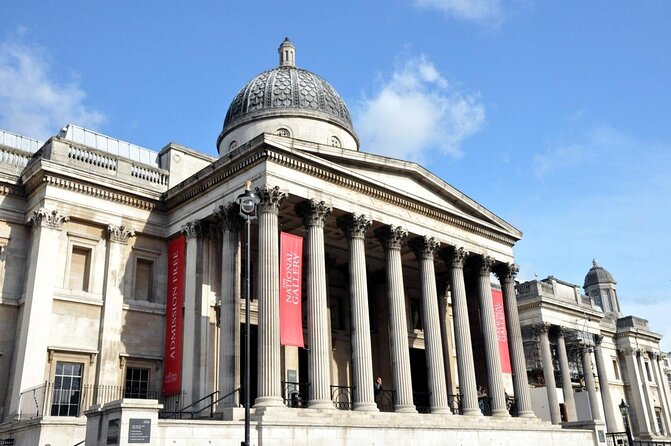
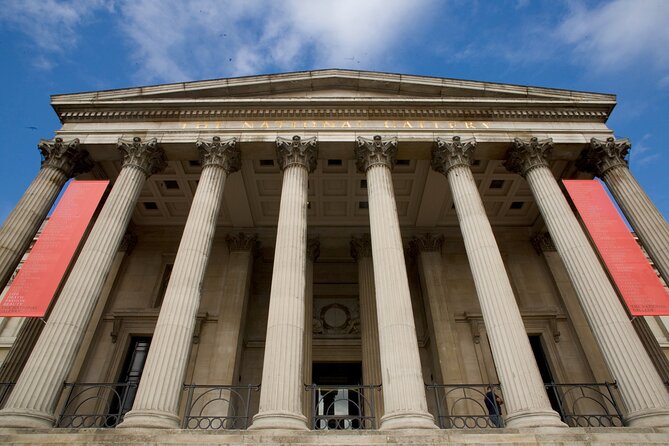
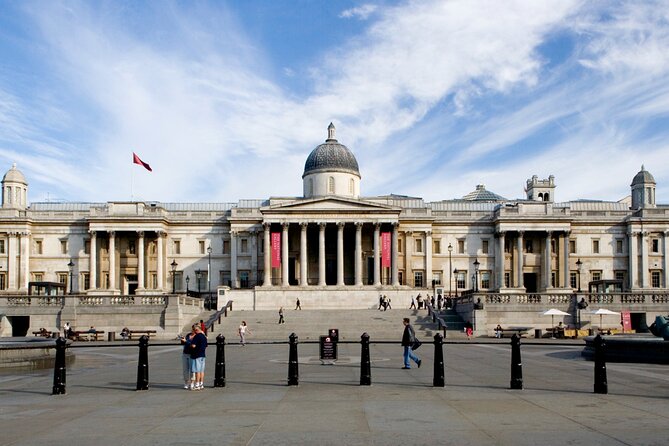
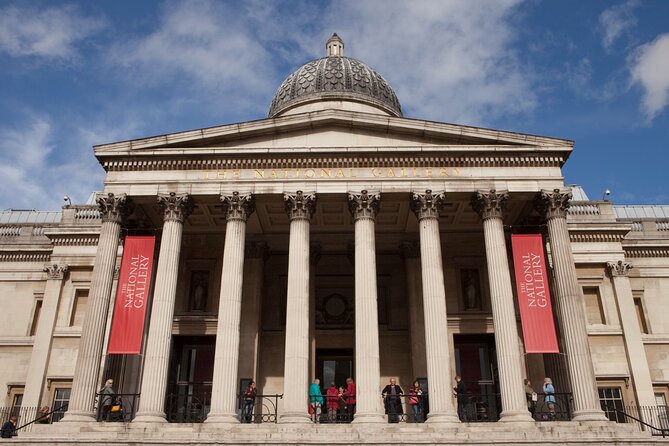
The National Gallery is not a small stop you can casually wander through in half an hour. Its collection covers more than 700 years of Western European painting, displayed in a grand Grade I listed building in the center of London.
That scale creates a common problem. You enter with a short list of famous names, then lose your bearings among room after room of paintings. This tour solves part of that problem by taking you directly to selected works and putting them in a broad historical order.
The route is not simply a parade of famous canvases. The strongest guides build a story. You may begin with Gothic painting, move into early, high, and late Renaissance art, then continue through Dutch masters, Impressionism, British painting, and Van Gogh.
That structure helps you see change. Religious images begin to feel less flat and symbolic. Renaissance painters add space, anatomy, and human emotion. Later artists loosen brushwork and use light in new ways. You will not become an art historian in an hour, but you can leave with a useful framework for looking.
More museums and galleries in London:
- Tower of London and Crown Jewels Exhibition Ticket
★ 4.5 · 6,677 reviews - Chelsea FC Stadium Tours and Museum
★ 5.0 · 1,908 reviews - Official tickets: Moco Modern & Contemporary Art Museum
★ 4.5 · 1,157 reviews
Gothic paintings and the Wilton Diptych
The early part of the tour may feel unfamiliar if your art background begins with Leonardo or Van Gogh. Gothic paintings can appear crowded with symbols, gold, saints, and solemn faces. A guide gives you the visual clues needed to read them rather than simply walk past.
The Wilton Diptych is an especially useful early stop. This small, portable religious painting has a refined appearance and an unusual sense of intimacy. It also opens the door to questions about royal devotion, private worship, and how paintings functioned before the modern museum existed.
I value this kind of introduction because it makes the later works easier to understand. The tour does not treat art as a list of pretty objects. It shows how paintings served religious and political purposes, then gradually became more focused on individuals, observation, and artistic invention.
The drawback is pace. Early works need context, and an hour leaves little room for extended discussion. If Gothic art catches your interest, you will want to return on your own after the tour.
Renaissance masters, from Botticelli to Leonardo
The Renaissance section brings familiar names into a larger story. Botticelli, Raphael, Leonardo, and Rubens each offer a different way to think about beauty, composition, power, and human expression.
A good guide can point out details that are easy to miss at normal viewing distance. You might look at the arrangement of hands, the direction of a gaze, the balance of figures, or the way a painter uses light to lead your eye. Those small choices often explain why a painting feels calm, dramatic, or alive.
Leonardo is one of the major draws, but the value of the stop is not just seeing a famous name. The guide’s job is to slow you down and give you a way into the painting. That is useful even if you already know the basic story.
Rubens also helps show how European painting changed as artists handled movement, flesh, fabric, and theatrical display. With only a few minutes at each work, you will receive a sample rather than a full study. Still, the sequence gives you a sense of artistic development across several centuries.
Dutch masters and Rembrandt’s self-portraits
The move to Dutch painting shifts the mood. Instead of focusing mainly on religious scenes or courtly display, you begin to see closer attention to everyday life, domestic interiors, individual faces, and the effects of light.
Rembrandt is a particularly rewarding stop. One memorable piece of guide commentary concerns why he painted so many self-portraits. That question leads beyond the simple idea of an artist painting his own face. It can touch on practice, identity, public image, and the business of making art.
This is where the guide’s wider knowledge matters most. The best explanations connect a painting with the culture and economy around it. You may learn not only how Rembrandt painted, but also why certain subjects appealed to buyers and how an artist’s reputation developed.
For me, these links are a major reason to choose a guided visit. Labels can tell you dates and names. A live guide can explain why one work changed the direction of your attention.
A few more London half days worth a look
- Stonehenge, Windsor Castle, and Bath from London
★ 4.5 · 18,662 reviews - London Big Bus Hop-On Hop-Off Tour with Optional River Cruise
★ 3.5 · 10,803 reviews - London Small Group Tour of Historical Pubs
★ 5.0 · 10,422 reviews - Stonehenge, Windsor Castle and Bath with Pub Lunch in Lacock
★ 4.5 · 7,402 reviews
Monet, Constable, Turner, and the changing role of light
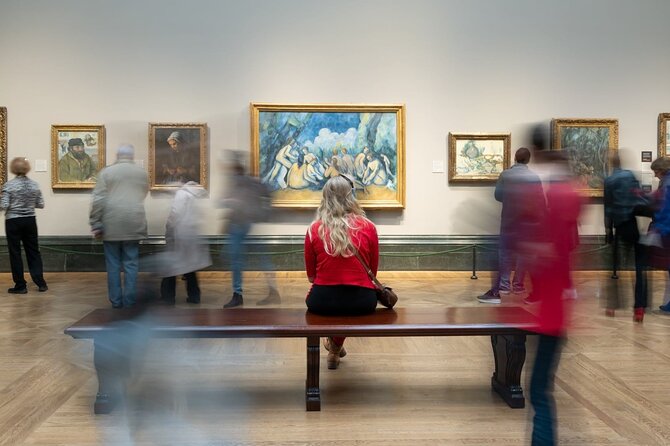
The tour then moves into later painting, including Monet, John Constable, and J. M. W. Turner. This section gives you a clear contrast with the precise surfaces and carefully balanced compositions of earlier art.
Monet introduces the beginnings of Impressionism and a new interest in fleeting light and atmosphere. Constable and Turner offer a British connection, with landscape and weather treated as subjects worthy of close study. The point is not just that brushwork becomes looser. It is that artists begin to ask different questions about what the eye sees in a particular moment.
The guide can make this shift easier to follow by comparing works across the rooms. You may notice how edges soften, how colors sit beside each other, and how a scene can suggest movement without showing a dramatic event.
The tour’s British setting adds value here. You are not only seeing major European art in London; you are also encountering painters who helped shape Britain’s own artistic identity. If you want a longer look at Turner or Constable, note the works during the tour and return after the group finishes.
Van Gogh brings the hour to an emotional close
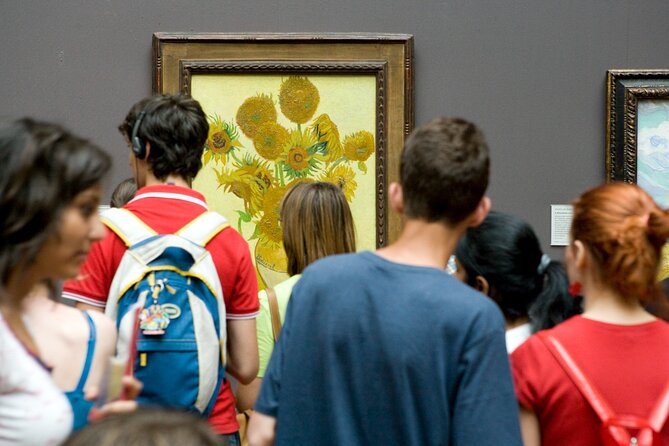
Van Gogh is often the final major stop, and it is a sensible ending. After moving through centuries of changing technique, you arrive at painting where brushwork and feeling are inseparable.
His work can look familiar from books and screens, but the physical surface matters. The direction and thickness of the paint are part of the experience. A guide can help you look past the famous name and consider color, movement, and emotional force.
Many people book this tour hoping to see Van Gogh, Monet, or Leonardo. That is perfectly reasonable. The tour’s greater benefit is placing those artists in a line of development, so the final stop feels connected to what came before rather than isolated as a celebrity painting.
Again, the limitation is time. Van Gogh alone could fill a long conversation. You may leave wanting more, which is a good reason to treat this as an introduction rather than your complete National Gallery visit.
What the guides add to the paintings
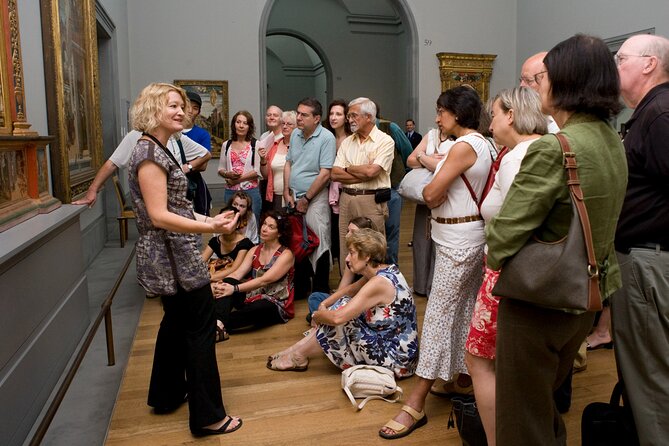
Guide quality is the strongest part of this experience. Named guides including Mary, Sarah Wood, Martin, Alfie, and Tim have been praised for their energy, humor, clear delivery, and command of the subject.
Sarah Wood, in particular, is described as connecting paintings with religion, culture, and politics while taking questions patiently. Mary’s route reportedly moved from Gothic painting through Renaissance masters, Rembrandt, Monet, Constable, Turner, and Van Gogh. Alfie’s enthusiasm helped make the hour feel worthwhile for both art newcomers and experienced enthusiasts.
That range matters because a National Gallery tour can easily become dry. Here, the guide is expected to explain technique, but also the social world behind the canvas. You might hear about patronage, public taste, royal connections, or the financial side of an artist’s career.
The guides do not all use the same route or style. That is normal for a live experience. Some may extend the visit beyond the advertised hour when timing allows, with several sessions running about an hour and 15 minutes or even longer. You should not count on an extension, though. At least one group finished at exactly one hour.
The VOX headset is a practical bonus. It lets you hear the guide while looking at the painting instead of constantly turning toward a speaker. In a quiet room, you may not need it, but in a crowded gallery it can make the difference between following the explanation and catching only fragments.
Group size, timing, and the meeting-point warning
The stated maximum is 25 people. That is manageable in a spacious room, but it is not an intimate private tour. In a busy Saturday afternoon session, a group this size can be hard to keep together, especially with other people taking photographs or crossing between rooms.
Smaller departures are a different proposition. A group of four can feel almost private, with more room for questions and a better chance to stay close to the guide. If you see a choice of tour lengths or departure times, the longer and less crowded option may be worth considering for this reason.
Morning and afternoon departures give you useful flexibility. I would favor the quieter time available in your schedule rather than choosing purely by convenience. The gallery can be crowded, and a calm room improves any guided art visit.
Pay close attention to the meeting instructions. The information supplied for this experience includes the gallery entrance, but the exact place to find the guide has caused confusion for some people. One person joined after the tour had begun with help from gallery staff, while another missed the tour entirely after failing to locate the group.
That is the practical flaw I would take most seriously. Arrive early, read every instruction in your confirmation, and ask National Gallery staff for help if you cannot identify the meeting point. Do not wait until the scheduled start time to begin searching.
Is $27.78 good value for one hour?
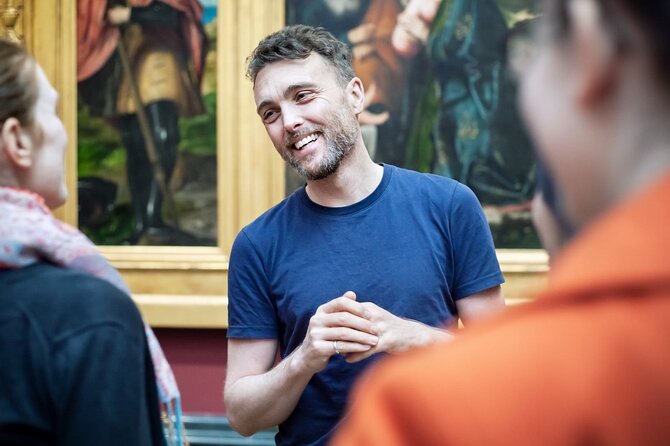
At $27.78 per person, the tour is reasonably priced for a central London experience that includes gallery entry, a Blue Badge guide, and a VOX headset.
The entry itself is not the only value. You are paying for a route through a huge collection and for explanations that help you see more than you would on a quick self-guided walk. If you have only one short window in London, that efficiency can justify the fee.
The calculation changes if you already know the National Gallery well. You can spend your own time with the collection and seek out specific paintings without paying for a guide. Likewise, an art enthusiast who wants a long discussion of each work may find one hour too short, even at this price.
I see it as a strong first-visit purchase, especially for someone who wants structure. Afterward, you can return to the rooms that caught your attention. The tour does not include the semi-permanent exhibitions, so check your plans if those displays are a priority.
Who should book this National Gallery tour?
This experience suits you best if:
- You are visiting the National Gallery for the first time.
- You want the major names without planning your own route.
- You enjoy history, religion, politics, and culture alongside painting.
- You have about an hour and want a focused introduction.
- You prefer a live explanation to reading labels.
- You are traveling with someone who may feel lost in a large museum.
It is also a useful choice for art lovers who want a quick overview before exploring alone. The guide can provide a map of the collection, while your later visit lets you linger.
You may want a different plan if you dislike group tours, need a slow pace, or hope to study a small number of works in detail. The stated group size can reach 25, and the route covers a lot of ground quickly. The tour is not a substitute for a half-day museum visit.
Most people can take part, and service animals are allowed. The gallery is near public transportation, but private transportation is not included, so you make your own way to the meeting point.
My booking advice
I would book this tour if you want a smart first look at the National Gallery and appreciate a guide who can connect paintings with the world that produced them. The combination of entry, expert commentary, and a headset is fair value at $27.78.
I would choose the least crowded departure available and allow extra time to find the guide. If you have flexibility, a longer option may give you more breathing room, but do not assume every one-hour booking will run over.
You can cancel for a full refund up to 24 hours before the local start time. Changes or cancellations inside that window are not accepted for a refund. The tour also requires a minimum number of people, so if the provider cancels for that reason, you are offered another date or experience, or a full refund.
For a first visit, yes, I think it is worth booking. Just regard it as an introduction, not the whole museum. Keep the rest of your day flexible enough to return to the painting that stayed with you.
FAQ
Where does the tour take place?
The tour takes place inside the National Gallery in London, in its Grade I listed building in the heart of the city.
How long is the tour?
The advertised duration is approximately one hour. Some sessions may run to about an hour and 15 minutes or longer, but you should plan on the stated one-hour duration.
What does the $27.78 price include?
The price includes entry to the gallery, an accredited Blue Badge guide, and a VOX headset.
Is transportation included?
No. Private transportation is not included. The gallery is near public transportation.
Is the tour offered in English?
Yes. The experience is offered in English.
How many people can join the tour?
The stated maximum is 25 people. Smaller groups may be available at some departure times.
Which artists may be included?
The tour highlights artists such as Leonardo, Monet, and Van Gogh, and may also cover Botticelli, Raphael, Rubens, Rembrandt, Constable, and Turner.
Are the semi-permanent exhibitions included?
No. Entry to the semi-permanent exhibitions is not included.
Can service animals join the tour?
Yes. Service animals are allowed.
Can I cancel for a full refund?
Yes, if you cancel at least 24 hours before the experience start time. Cancellations or changes made less than 24 hours before the start are not accepted for a refund.
Recently added around London
- London’s Crown Secret: Self-Guided Royal Puzzle Quest★ 4.5 · 8 reviews
- Postcard London★ 5.0 · 8 reviews
- Private Tour: Downton Abbey London Locations by Taxi★ 5.0 · 8 reviews
- Windsor Castle, Stonehenge & Roman Baths Private Tour★ 4.5 · 8 reviews
- Cotswolds Private Driving Tour from London★ 5.0 · 8 reviews
- Skip-the-line London Westminster Abbey and City of Westminster Kid-Friendly Tour★ 5.0 · 8 reviews
- A Silent Disco Adventure in London★ 5.0 · 8 reviews
- Gangster Tour of Soho★ 4.5 · 8 reviews
Museums, compared.

Tower of London and Crown Jewels Exhibition Ticket
Read our review →
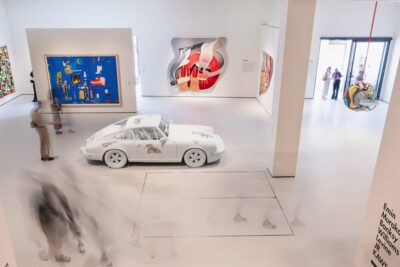
Official tickets: Moco Modern & Contemporary Art Museum
Read our review →
British Museum London Guided Tour Semi-Private 8ppl Max
Read our review →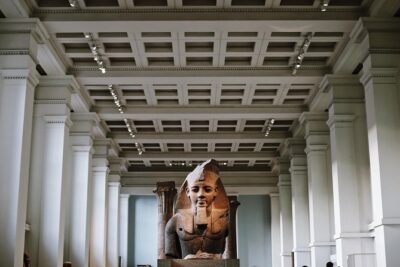
The British Museum London – Exclusive Guided Museum Tour
Read our review →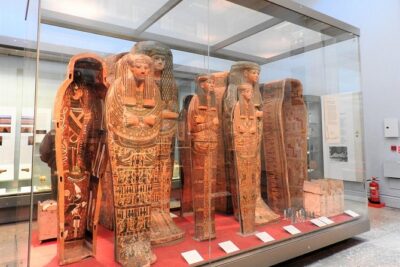


Skip the Line: Liverpool Beatles Museum – The perfect tribute to the Beatles
Read our review →Browse the lists this tour appears in