
Reviewed · MUSEUMS
The National Gallery of London – Exclusive Guided Museum Tour
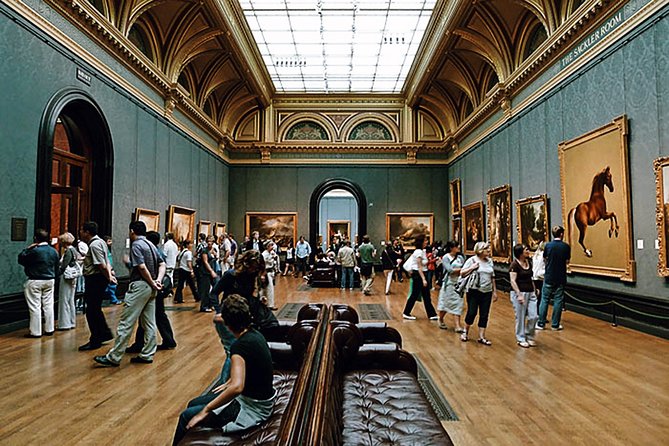
The best thing about this National Gallery visit is the personal route through a huge collection. Instead of wandering past 2,300 paintings and wondering what matters, you work with a private guide to choose a sensible path through art from the 1300s to the 1900s. You can focus on Van Gogh, Renaissance painting, Dutch masters, or the works you already came to see.
I like the guide-led look at details most people miss, such as lighting, perspective, and small clues in a portrait. I also like the conversational style reported from guides including Jamie, Matilda, Sheldon, Steph, and Becky, who use questions, humor, chronology, and even extra images on an iPad to make the paintings easier to read. The main consideration is pace: two and a half hours includes plenty of walking and standing, and this is a selective tour, not a visit to every room.
Key points to know before booking
- A private guide shapes the route around you: Tell your guide which artists or paintings matter most before setting off.
- The tour covers seven centuries of art: Expect works from the 14th century through the 1900s, with Botticelli, Monet, Rembrandt, Vermeer, Van Gogh, and Jan van Eyck among the possible highlights.
- The famous works share time with less familiar art: You may see Sunflowers alongside paintings you would likely miss on your own.
- The guide teaches you how to look: Light, perspective, technique, symbolism, and artist background receive more attention than a quick audio-guide stop.
- You finish with a plan for independent exploring: Your guide recommends how to tackle more of the 2,300-piece collection after the tour.
- The private option matters: A lower-priced semi-private choice is available, but the exclusive guide and wheelchair-friendly provision do not apply to that option.
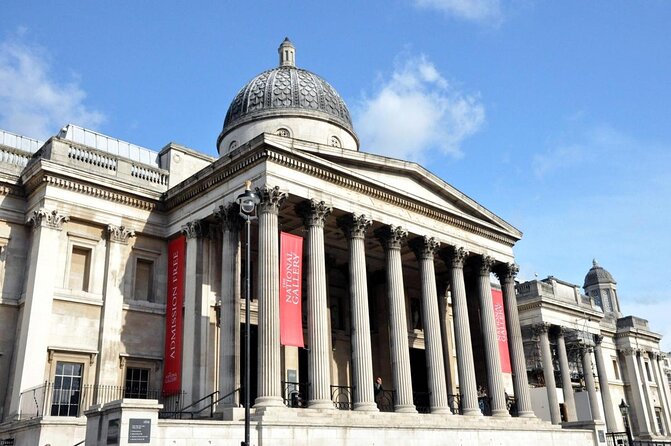
Meeting the guide beneath Trafalgar Square’s grand setting
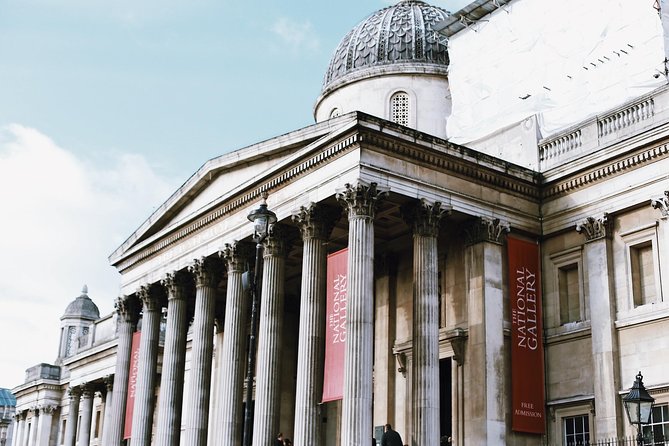
You meet at the National Gallery’s front entrance, at Trafalgar Square, London WC2N 5DN. This is a useful central location near public transportation, and the building is hard to miss. The tour ends at the same meeting point, so you are not left trying to find a distant exit after the final painting.
Bring the mobile number used for booking, including the country code. The operator says this is imperative, so do not treat it as a minor form field. It gives the guide a way to reach you if there is a meeting issue or a change at the museum.
Security can slow entry. Large bags and suitcases are not allowed inside, while handbags and small, thin backpacks are permitted through security. If you are carrying luggage on the day, make another plan before arriving at Trafalgar Square.
The museum can also close a room or delay opening without much warning. If opening is delayed by more than an hour, an alternative is offered, but the stated terms do not provide a refund or discount for that situation. That is worth keeping in mind if your London schedule is packed tightly around the tour.
More museums and galleries in London:
- Tower of London and Crown Jewels Exhibition Ticket
★ 4.5 · 6,677 reviews - Chelsea FC Stadium Tours and Museum
★ 5.0 · 1,908 reviews - Official tickets: Moco Modern & Contemporary Art Museum
★ 4.5 · 1,157 reviews
How the 2.5-hour visit works
The tour begins with a short conversation about what you want to see. This is where the private format earns its keep. Tell the guide if you want the major names, a broad introduction to Western painting, a period-by-period route, or a closer look at a particular work.
You should still expect the guide to make choices for you. The National Gallery’s collection is too large to cover in one afternoon, and trying to check off every major painting would turn the visit into a march. The better approach is to let the guide connect a manageable group of works so you can see how styles, ideas, and techniques change over time.
Several guides have used a chronological structure, beginning with early European painting and moving toward Impressionism and later works. That order helps if you are new to art. You get a basic sense of how artists handled religious subjects, portraiture, space, light, and everyday life before arriving at the looser brushwork of the 19th and 20th centuries.
The guide may also take a more interactive route. Wesley, for example, has been praised for asking questions and bringing the group into a conversation instead of simply reciting facts. That style is useful because you learn to form your own response before hearing the explanation.
Expect some quiet or restricted-speaking rooms. In those areas, the guide gives the necessary information before entering, then follows the museum’s rules. You may need to listen carefully before moving inside.
The paintings that make the National Gallery special
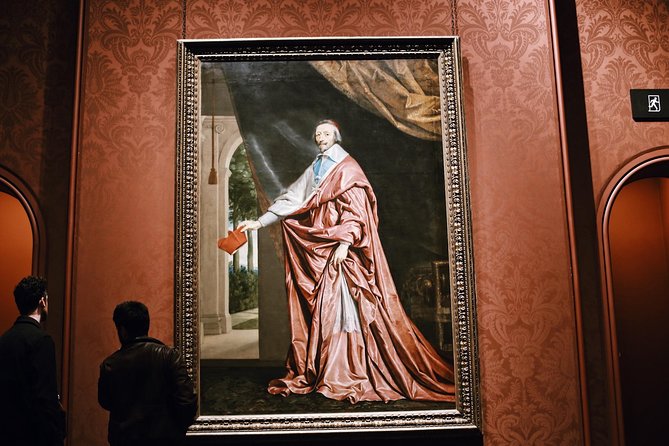
The National Gallery gives you an unusually broad slice of European painting in one building. The possible range begins in the 1300s and runs through the 1900s, so a well-planned visit can show you major changes in color, subject, composition, and paint handling.
Van Gogh’s Sunflowers is an obvious draw. Its fame can make it easy to glance, take a photograph where allowed, and move on. A guide can slow that moment down by pointing out the marks, color choices, and visual decisions that make the work more than a famous yellow vase.
Botticelli offers a very different encounter. His elegant figures and controlled lines help show how Renaissance painters built beauty and meaning through design. The value of seeing him after earlier works is that you can notice change rather than treating each painting as an isolated object.
Monet shifts the focus again. His paintings invite you to consider light and atmosphere, and a guide can help you look at the surface rather than only the scene depicted. Rembrandt brings another kind of attention, especially to faces, shadow, and the emotional weight of portraiture.
Vermeer’s paintings reward patience. They are often quiet works, with a small number of objects doing a great deal of visual work. Your guide may help you notice how light, domestic detail, and stillness shape the mood.
Jan van Eyck’s The Arnolfini Portrait is a good example of why a guide helps. You may recognize the title, but the painting contains more detail and symbolism than a quick stop suggests. A strong explanation gives you a way to examine the objects, gestures, clothing, and setting instead of merely admiring the surface.
The tour can also include works you have never heard of. That is not a weakness. In a museum this large, the most rewarding stop may be the painting your guide chooses because it explains a technique or period especially well.
What the guides do best
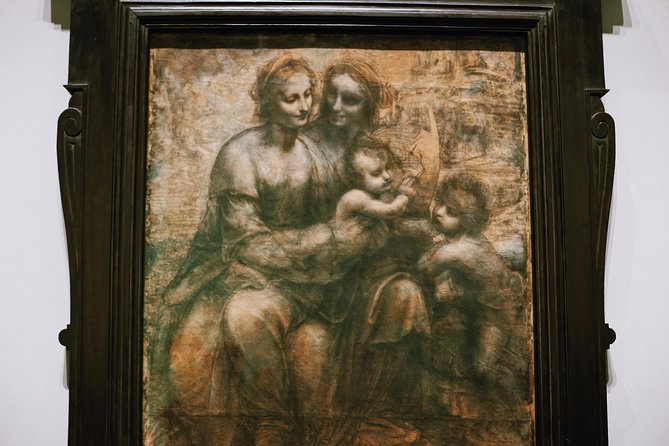
The strongest part of this tour is the teaching. The guides are not just pointing out famous canvases. They explain the people who made them, the choices visible in the paint, and the context needed to make sense of the image.
Jamie has been praised for showing details in lighting, perspective, and composition that are easy to overlook. He has also used an iPad to display additional information, a practical aid when a detail is too small or an image outside the gallery helps explain a point.
Matilda has led tours built around art’s development across time. Her approach links individual paintings to a larger sequence, which is useful if you want more than isolated facts. She has also been described as energetic, quick-witted, and good at including people with different levels of interest.
Sheldon has used a chronological route and a lively sense of humor. That combination can help a long museum visit feel less like a lecture. Becky has taken a compare-and-contrast approach, placing major works in conversation with one another and giving visitors tools that can help with later museum visits, including a visit to Windsor Castle.
Steph has been praised for making art approachable and entertaining. Sacha, Jake, Laurence, Luis, Wesley, and Stephanie have also led tours praised for clear explanations, enthusiasm, and a friendly manner. Guides change, and you should not assume a particular person is guaranteed, but these names give you a sense of the teaching style associated with the experience.
One memorable approach involved a guide asking for opinions and connecting a painting to a song. That small detail matters. The best museum guide does not simply make you memorize artists and dates. The guide gets you to look, think, and talk.
A few more London half days worth a look
- Stonehenge, Windsor Castle, and Bath from London
★ 4.5 · 18,662 reviews - London Big Bus Hop-On Hop-Off Tour with Optional River Cruise
★ 3.5 · 10,803 reviews - London Small Group Tour of Historical Pubs
★ 5.0 · 10,422 reviews - Stonehenge, Windsor Castle and Bath with Pub Lunch in Lacock
★ 4.5 · 7,402 reviews
Why a private format can be worth $108.44
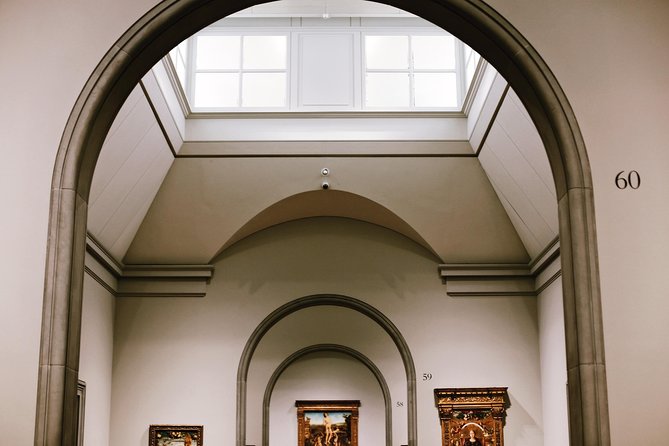
At $108.44 per person, this is not the cheapest way to enter the National Gallery. The value depends on how you use the two and a half hours. If you already know the museum well and prefer to wander alone, the fee may not make sense. If this is your first visit, the private format can save time and prevent you from spending your energy on the wrong rooms.
The price is easier to justify for a couple or a small family that wants personal attention. You can state your priorities, ask questions without waiting for a large group to move along, and adjust the route when a painting catches your interest.
The operator also offers group discounts, though the amount is not specified. A semi-private option is available at a lower price, but it comes with an important trade-off: the exclusive guide is not included, and the stated wheelchair-friendly provision does not apply to that choice.
Admission to the permanent museum collection is listed without a separate admission charge in the tour details. Temporary exhibitions are not included, so budget separately if one is part of your London plans. Gratuities are optional and not included.
I would call the price fair for a private lesson in looking at art, especially if you have limited time. I would not call it a bargain for someone who wants only a quick look at Sunflowers and a few famous names.
Walking, standing, accessibility, and museum rules
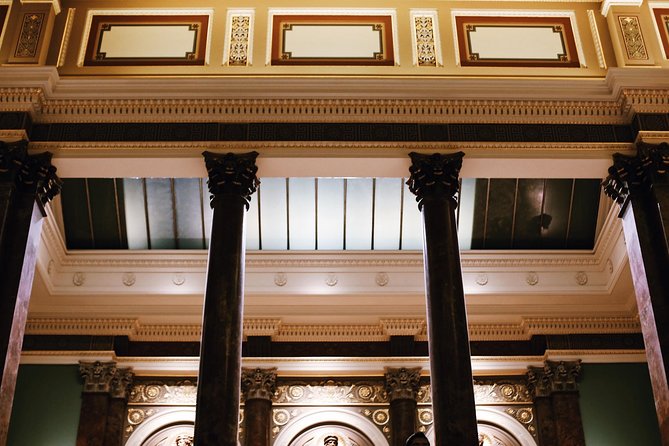
The tour requires a moderate level of physical fitness. You will walk through the gallery and spend plenty of time standing in front of paintings. Wear comfortable shoes, and avoid treating this as a seated activity.
The exclusive version is wheelchair friendly according to the supplied details. That provision does not apply to the save-money semi-private option, so choose carefully when booking. Museum access can also change if particular rooms close or if security procedures create delays.
Dress appropriately for entry. The museum may apply security checks, and no large bags or suitcases are permitted. If you need a break, the guide can point out practical areas such as the coat check and bathrooms, as one past tour experience specifically valued this help.
The route may need to change during the year because collections and room displays can vary. That is normal in a working museum. A painting you hope to see may be temporarily unavailable, while another work may become a useful substitute.
Who will get the most from this tour?
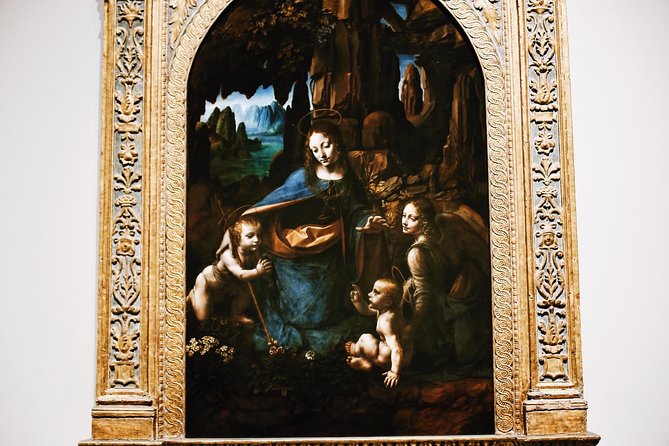
I would recommend it to a first-time National Gallery visitor who wants a clear introduction without spending a full day inside. It also suits people who know a few famous artists but want help understanding what they are seeing.
Families can benefit from the interactive approach. Children and adults do not need the same level of art knowledge, and a guide who asks questions can keep the group involved. The private format also gives you more control over the pace than a large public tour.
Experienced art lovers may enjoy it for a different reason. You can request particular works, ask for comparisons, or let the guide show you personal favorites. One useful strategy is to ask for a route that mixes major paintings with less familiar works, rather than spending the entire time on the standard highlights.
This is less suitable if you dislike guided visits, want to study one painting for a long time, or hope to see the entire museum. The collection has about 2,300 paintings, and this tour offers a selected introduction. Its purpose is to give you a strong starting point, not to replace several days of independent viewing.
How to make the most of your afternoon
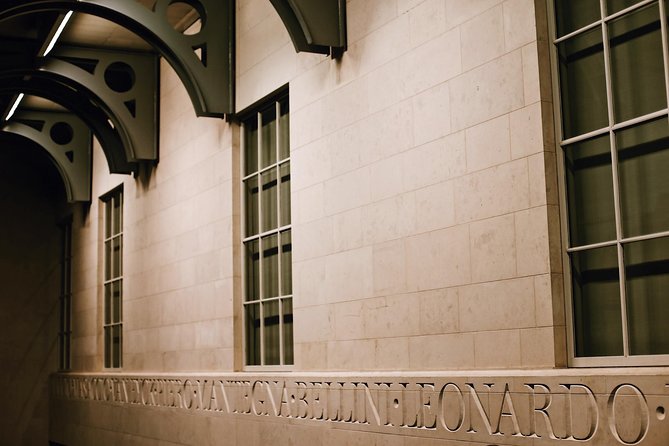
Before the tour, choose three priorities. They might be Van Gogh, Dutch painting, and portraiture, or simply the works you have always wanted to see. A short list helps your guide shape the visit without turning the opening conversation into a long planning session.
Arrive ready to walk and keep your bag small. Make sure the booking includes your mobile number with the country code, and allow enough time to reach Trafalgar Square without rushing through security.
During the tour, ask the guide to point out one technical feature in each room. Look for the way an artist handles light, depth, skin, fabric, or movement. These simple prompts can turn a series of famous images into a connected lesson.
At the end, use the guide’s recommendations. The final advice on how to tackle the rest of the collection is part of the value. You may want to continue alone after the tour, now with a clearer idea of which rooms deserve your remaining time.
Should you book the National Gallery private tour?
Book it if you want the National Gallery to make sense quickly, especially on a short London visit. The perfect 5 rating across 100 ratings and a 100 percent recommendation record fit the tour’s strongest qualities: engaging guides, sharp explanations, and a route that avoids aimless wandering.
I would book the exclusive option for a couple, family, or small group that wants to ask questions and shape the visit. Ask about the guide when arranging the tour, though names such as Jamie, Matilda, Sheldon, Steph, and Becky are examples of past guides rather than a guarantee.
Skip it if you prefer slow solo viewing or are mainly looking for entry to a temporary exhibition. For everyone else, $108.44 buys structure, context, and a better chance of noticing why these paintings matter. Cancel at least 24 hours before the start time if your plans change, since later cancellations are not refundable.
FAQ
Where does the National Gallery tour begin?
The tour begins at the National Gallery’s front entrance at Trafalgar Square, London WC2N 5DN, UK.
Where does the tour end?
The activity ends back at the National Gallery meeting point.
How long does the tour last?
The guided visit lasts approximately 2 hours and 30 minutes.
Is this a private tour?
Yes. The standard activity is private, so only your group participates. The exclusive guide does not apply if you select the lower-priced semi-private option.
What language is offered?
The tour is offered in English.
How much does the tour cost?
The listed price is $108.44 per person. Group discounts are available, though the discount amount is not specified.
Does the tour include temporary exhibitions?
No. Temporary exhibitions are not included in the tour price.
Is the tour wheelchair friendly?
The exclusive option is wheelchair friendly according to the supplied information. This does not apply to the semi-private option.
Can I bring a large bag or suitcase?
No. Large bags and suitcases are not allowed inside the museum. Handbags and small, thin backpacks are permitted through security.
What happens if the museum opens late or closes unexpectedly?
If the museum opening is delayed by more than one hour, an appropriate alternative is offered. The stated terms do not provide a refund or discount in that situation, and rooms or collections may change during the year.
Can I cancel for a full refund?
Yes, if you cancel at least 24 hours before the experience start time. Cancellations or changes made less than 24 hours before the start time are not accepted for a refund.
Recently added around London
- London’s Crown Secret: Self-Guided Royal Puzzle Quest★ 4.5 · 8 reviews
- Postcard London★ 5.0 · 8 reviews
- Private Tour: Downton Abbey London Locations by Taxi★ 5.0 · 8 reviews
- Windsor Castle, Stonehenge & Roman Baths Private Tour★ 4.5 · 8 reviews
- Cotswolds Private Driving Tour from London★ 5.0 · 8 reviews
- Skip-the-line London Westminster Abbey and City of Westminster Kid-Friendly Tour★ 5.0 · 8 reviews
- A Silent Disco Adventure in London★ 5.0 · 8 reviews
- Gangster Tour of Soho★ 4.5 · 8 reviews
Museums, compared.

Tower of London and Crown Jewels Exhibition Ticket
Read our review →

Official tickets: Moco Modern & Contemporary Art Museum
Read our review →
British Museum London Guided Tour Semi-Private 8ppl Max
Read our review →
The British Museum London – Exclusive Guided Museum Tour
Read our review →

Skip the Line: Liverpool Beatles Museum – The perfect tribute to the Beatles
Read our review →Browse the lists this tour appears in