
Reviewed · MUSEUMS
National Maritime Museum Private Tour
The most powerful object here is not a ship model or a grand painting. It is Nelson’s jacket, worn when he was mortally wounded aboard HMS Victory. Seeing that small, personal relic gives the naval story a human scale. You also get Turner’s dramatic Battle of Trafalgar and the Armada Portrait of Elizabeth I at nearby Queen’s House.
I like the fact that this is a private tour, so your guide can shape the pace around your group. I also like the range: naval warfare, East India Company trade, the Atlantic slave trade, lighthouses, and royal art all appear in one afternoon. That makes the tour useful for families and history fans alike.
The main drawback is time. Three and a half hours sounds generous, but Greenwich’s museums hold far more than you can cover. If you read every label, you could easily run out of time. The $237.59 per person price also needs careful thought, since the National Maritime Museum itself has free admission.
Key points to know before booking
- Nelson’s jacket gives the tour its most personal moment, linking a famous battle to one man’s final hours.
- Turner’s Battle of Trafalgar adds serious art to the naval story.
- The Atlantic Slavery gallery brings needed honesty, including England’s role in the slave trade.
- Queen’s House adds 45 minutes of royal art, with Elizabeth I’s Armada Portrait as the main prize.
- Your group stays together with a private English-speaking guide, rather than joining a large public walk.
- A café break is included in the rhythm of the tour, but coffee, tea, fish and chips, and other food are extra.
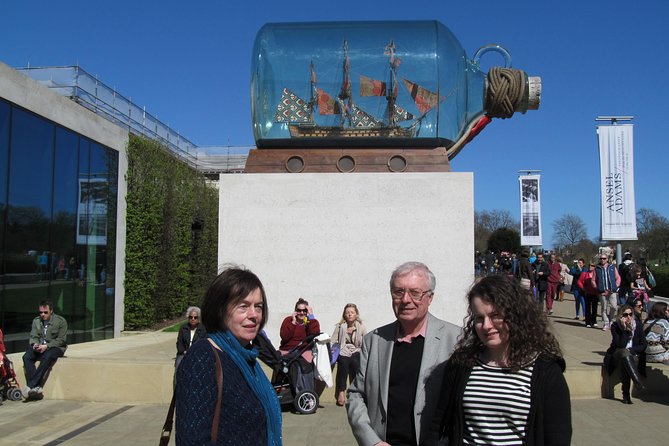
Starting beside Nelson’s Ship in a Bottle
Your meeting point is Nelson’s Ship in a Bottle, by the herbaceous border at the southern, Observatory-side entrance to the National Maritime Museum. The tour begins at 12:30 p.m. and ends back at the meeting point.
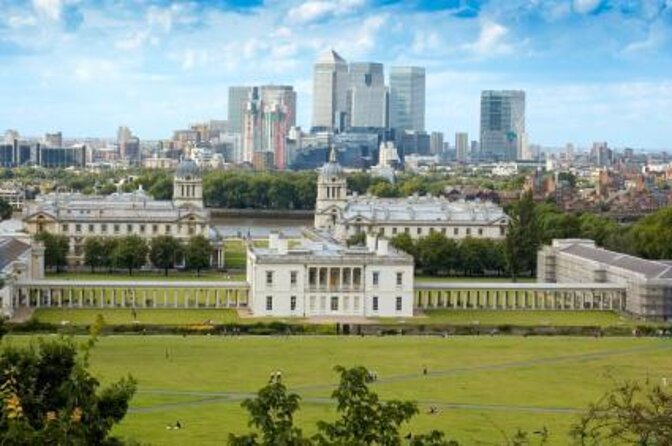
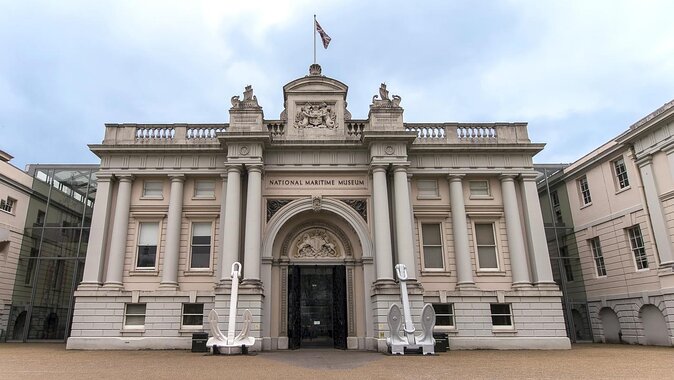
That location matters. Greenwich is not a single sight but a cluster of museums and royal buildings, and the meeting point places you right beside the National Maritime Museum. You will not waste the first part of the afternoon hunting for a distant office or waiting at an unrelated hotel.
The tour is private, with only your own group taking part. That is especially useful if you are traveling with children, older relatives, or people who prefer to ask plenty of questions. A guide can spend longer on Nelson, trade, or art if one subject catches your group’s attention.
The tour is offered in English. Children must be accompanied by an adult, and at least two people are required for a booking. You should also expect a moderate amount of walking and standing across the museum buildings, so comfortable shoes and a reasonable fitness level make sense.
More museums and galleries in London:
- Tower of London and Crown Jewels Exhibition Ticket
★ 4.5 · 6,677 reviews - Chelsea FC Stadium Tours and Museum
★ 5.0 · 1,908 reviews - Official tickets: Moco Modern & Contemporary Art Museum
★ 4.5 · 1,157 reviews
Turner’s Battle of Trafalgar sets the tone
The first major stop is J. M. W. Turner’s Battle of Trafalgar, painted in the early 1820s. This is not simply a decorative painting to tick off before the naval exhibits. It gives you a chance to see how Britain wanted to remember one of its defining sea battles.
Turner’s work is dramatic rather than tidy. The painting brings together smoke, ships, wreckage, flags, and the human cost of combat. A guide’s narration can help you look past the broad effect and notice how the painting turns a military victory into something more complicated.
I like having this artwork near the start because it prevents the tour from becoming a parade of objects in glass cases. You begin with a large public statement, then move toward smaller and more intimate evidence. That change in scale works well.
If you are not especially interested in art, do not worry. The painting still works as a doorway into the naval story. If you are an art lover, you may want more time than the schedule allows, which is one reason to ask your guide early how long the group can spend here.
Nelson’s jacket and the Nelson, Navy, Nation gallery
The Nelson, Navy, Nation gallery contains the tour’s most memorable object: the jacket Nelson wore when he was mortally wounded aboard HMS Victory. The jacket is striking because it is so personal. It brings the famous admiral down from the level of statue and legend to the level of cloth, damage, and a single human body.
This is where a guide earns the private-tour fee. A good explanation can connect Nelson’s command, the battle, and the object in front of you without drowning the moment in dates. Graham is one guide associated with this experience who is known for using clear stories and practical explanations, while Wendy has also led tours covering the maritime museum, Queen’s House, and other Greenwich sights. Guide assignment is not guaranteed, but the format allows room for that kind of storytelling.
The gallery also helps place the navy within the wider nation. You are not looking only at warships. You are considering the people, government, symbols, and public memory tied to British naval power.
This section should suit teenagers who need a strong visual hook. The jacket is far more likely to hold attention than a long paragraph about naval administration. It also gives families a natural point to pause and discuss what the object can and cannot tell you.
Trade, the East India Company, and Britain’s wider reach
The Trade Gallery moves the story away from battle and toward commerce. Here you learn about trade with the Far East and the origins of that trade through the East India Company.
That change is valuable. It shows that maritime power was not only about fleets fighting at sea. Ships also carried goods, money, people, ideas, and systems of control. The gallery can help you connect naval strength with the commercial reach that helped shape Britain’s place in the world.
This part may appeal most to adults and older children, especially if you want a fuller picture than a simple tale of heroic admirals. The East India Company story also provides useful context before the Atlantic Slavery gallery, where the museum asks harder questions about wealth, exploitation, and responsibility.
Do not expect to cover every display in detail during a guided visit. The museum is large, and the tour has a fixed end point. I would listen for the main thread, ask about the objects that catch your eye, and make a note of galleries you want to revisit after the guide leaves.
A few more London half days worth a look
- Stonehenge, Windsor Castle, and Bath from London
★ 4.5 · 18,662 reviews - London Big Bus Hop-On Hop-Off Tour with Optional River Cruise
★ 3.5 · 10,803 reviews - London Small Group Tour of Historical Pubs
★ 5.0 · 10,422 reviews - Stonehenge, Windsor Castle and Bath with Pub Lunch in Lacock
★ 4.5 · 7,402 reviews
The coffee break is practical, not just a pause
About halfway through the tour, you have the chance to stop at the museum café for coffee or tea. Food and drinks are not included in the price, so plan to pay separately.
This break is useful for families. Three and a half hours is a long stretch for a child, and even adults benefit from sitting down before the more serious galleries. One past visitor found the café worth using for fish and chips, though you should treat that as an available option rather than part of the tour package.
The café stop also gives you a chance to decide how to use the remaining time. If your group has enjoyed the naval displays but feels ready for art, you can tell the guide. If the Atlantic Slavery gallery deserves more time, the private format may make that possible.
Keep the break sensible. A long meal could reduce time in the galleries, and the tour already has several major stops. Coffee, tea, or a quick bite fits the schedule better than a leisurely lunch.
The Atlantic Slavery gallery asks for attention
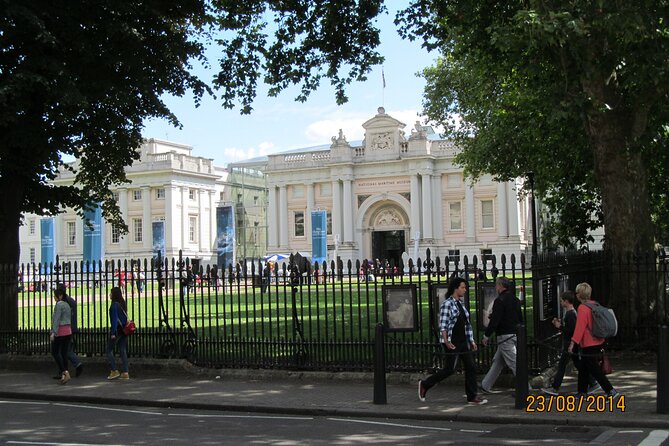
The Atlantic Slavery gallery presents the history of the slave trade and England’s role in it. This is a serious part of the tour, and it should not be treated as a quick stop between Nelson and lighthouses.
The gallery adds moral and economic context to the museum’s maritime story. Ships and trade routes did not exist in isolation. Maritime commerce could bring exploration and wealth, but it could also support violence, forced labor, and the buying and selling of human beings.
I appreciate that the route includes this subject because it keeps the tour from presenting British naval history as pure adventure. Families with older children and teenagers may find this especially valuable, though you should be ready for difficult material and allow time for questions.
The museum’s approach may feel more restrained than theatrical. One criticism of the museum is that some displays rely heavily on objects in cases and do not use enough sound or visual drama. If you prefer highly sensory exhibitions, parts of the museum may seem quiet or formal. The trade-off is that the objects and information receive space without the distractions of a theme-park presentation.
Lighthouses bring the story back to everyday life
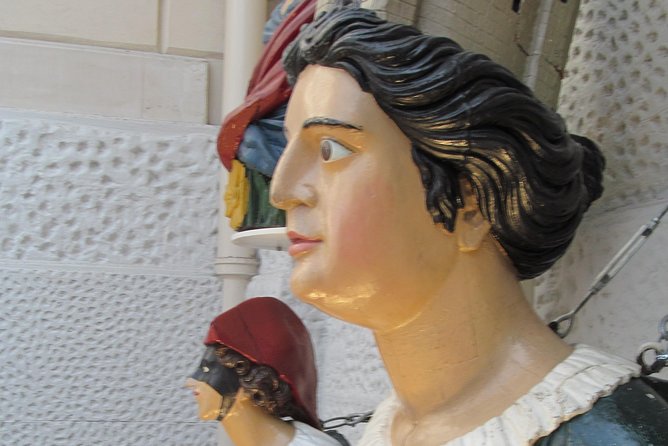
The tour also covers lighthouses and their history in the United Kingdom. This subject provides a welcome shift from war and slavery toward safety, engineering, and the practical problems of navigation.
Lighthouses may not have the instant pull of Nelson’s jacket, but they show how maritime life affected ordinary movement along the coast. They helped ships find their way, avoid danger, and reach ports. In a museum full of admirals and imperial trade, that practical angle gives the tour a broader human scale.
This is a good place to involve younger children. You can ask why sailors needed lights, what dangers they faced at night, and how navigation worked before modern technology. The supplied information does not promise a large set of interactive displays, and one family found that teenagers particularly liked the interactive features but wished there were more screen-based activities.
So, if your children need constant hands-on action, set expectations before you arrive. The tour offers stories and objects first, with some interactive material rather than a fully interactive museum visit.
Queen’s House and the Armada Portrait
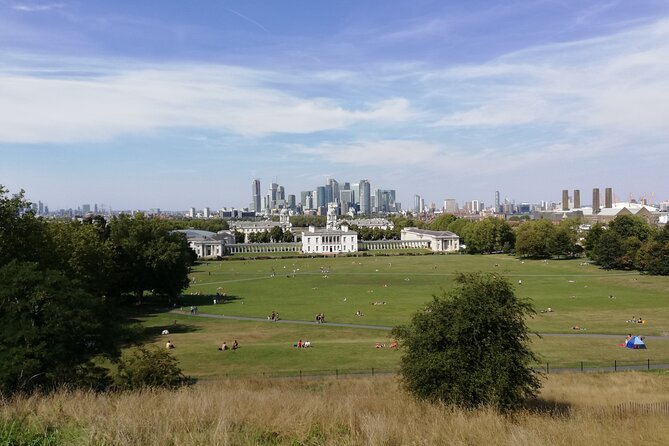
The final major stop is Queen’s House, with about 45 minutes set aside for the visit. Admission is included, and the highlight is the famous Armada Portrait of Queen Elizabeth I.
This is a smart addition to the day. Without Queen’s House, the experience would lean heavily toward ships, trade, and naval conflict. The portrait brings you into royal image-making, power, and the way a ruler wanted to be seen after the defeat of the Spanish Armada.
The 45-minute visit is enough to give the building and portrait proper attention, but it is not enough for an unhurried study of everything on display. I would treat the Armada Portrait as the main target and use any remaining time for the other rooms.
The change from the National Maritime Museum to Queen’s House also helps break up the afternoon. You move from large maritime collections and social history to a more focused royal art setting. For families, that change can prevent museum fatigue. For art lovers, it may feel like the most concentrated part of the tour.
Does a private tour justify $237.59 per person?
At $237.59 per person, this is not a cheap museum visit. The National Maritime Museum admission is listed as free, while Queen’s House admission is included. Food and drinks are extra, and the main paid element is the private guide and the three-and-a-half-hour structure.
The value depends on how much help you want. If you are comfortable reading labels, choosing galleries, and managing your own time, you can visit the museum without paying for a private tour. If you have limited time in Greenwich or want a clear route through several subjects, the guide can save you from wandering through a large building without a plan.
The private format matters most for families and small groups. You do not have to match the pace of strangers, and you can ask for explanations suited to your children or interests. A history fan can focus on naval objects, while a mixed group can balance art, trade, and social history.
The price is harder to justify for one or two people who want only a quick look at Nelson’s jacket. In that case, a self-guided visit may offer better value. It becomes more reasonable when the cost is shared across a larger private group and you want a personal guide for the full route.
Who will get the most from this Greenwich afternoon?
I would recommend this tour to families with school-age children or teenagers, couples who want context rather than isolated exhibits, and anyone interested in Britain’s naval past. The mix of relics, paintings, trade, slavery, lighthouses, and royal art gives the afternoon more range than a narrow military tour.
It is also a good fit if you have little time and want someone to point out the main objects. The museum is large enough that you can easily arrive late, lose track of time, and miss part of the collection. A private guide gives the visit a firmer shape.
I would hesitate if you want a highly theatrical museum packed with screens, sound effects, and hands-on displays. Some parts may feel formal and case-based. I would also think twice if your main plan is to roam freely, since a guided route naturally gives you less control over every gallery you visit.
The strongest praised elements of this experience are the friendly storytelling, family appeal, broad collection, and the chance to see many important objects in a short period. Graham’s clear explanations and Wendy’s wide Greenwich coverage are useful examples of the sort of guide-led approach the format can provide, though the guide for your booking may be someone else.
The cancellation terms are fair: you can cancel for a full refund up to 24 hours before the start time. Changes or cancellations inside that 24-hour window are not accepted for a refund.
My verdict on the National Maritime Museum private tour
Book it if you want a guided route through Greenwich and value stories more than simply entering a free museum. Nelson’s jacket, Turner’s Battle of Trafalgar, the Atlantic Slavery gallery, and Elizabeth I’s Armada Portrait create a strong mix, and the private group format is genuinely useful.
Skip it if you are a confident museum explorer who has plenty of time and wants to keep costs down. You can visit the National Maritime Museum without an admission charge, and a self-guided visit may suit independent art and naval-history fans better.
For most families and short-stay visitors, I see the tour as a time-saving choice rather than a bargain. The guide, focus, and private pace are what you are paying for. Just keep your expectations realistic: three and a half hours will introduce you to Greenwich’s maritime story, not cover every room.
FAQ
Where does the tour start?
The tour starts at Nelson’s Ship in a Bottle, beside the herbaceous border at the southern, Observatory-side entrance to the National Maritime Museum in London SE10 8QY.
What time does the tour begin?
The scheduled start time is 12:30 p.m.
How long does the tour last?
The tour lasts approximately 3 hours and 30 minutes.
Is this a private tour?
Yes. Only your own group participates in the activity.
What language is the tour offered in?
The tour is offered in English.
What is included in the price?
A local guide is included. Admission to Queen’s House is included, while National Maritime Museum admission is listed as free.
Are food and drinks included?
No. Food and drinks are not included. You have the opportunity to take a coffee or tea break at the museum café, but you pay for anything you order.
Does the tour include Queen’s House?
Yes. The tour includes a 45-minute visit to Queen’s House, including the Armada Portrait of Queen Elizabeth.
Can children join the tour?
Yes. Children can join, but they must be accompanied by an adult.
How many people are required to book?
A minimum of two people per booking is required.
Can I cancel for a full refund?
Yes. You can cancel at least 24 hours before the experience start time for a full refund. Cancellations or changes made less than 24 hours before the start time are not accepted for a refund.
Recently added around London
- London’s Crown Secret: Self-Guided Royal Puzzle Quest★ 4.5 · 8 reviews
- Postcard London★ 5.0 · 8 reviews
- Windsor Castle, Stonehenge & Roman Baths Private Tour★ 4.5 · 8 reviews
- Private Tour: Downton Abbey London Locations by Taxi★ 5.0 · 8 reviews
- Cotswolds Private Driving Tour from London★ 5.0 · 8 reviews
- Skip-the-line London Westminster Abbey and City of Westminster Kid-Friendly Tour★ 5.0 · 8 reviews
- A Silent Disco Adventure in London★ 5.0 · 8 reviews
- Private Full Day Cotswolds Tour From London★ 5.0 · 8 reviews
Museums, compared.

Tower of London and Crown Jewels Exhibition Ticket
Read our review →
Official tickets: Moco Modern & Contemporary Art Museum
Read our review →
British Museum London Guided Tour Semi-Private 8ppl Max
Read our review →
The British Museum London – Exclusive Guided Museum Tour
Read our review →

Skip the Line: Liverpool Beatles Museum – The perfect tribute to the Beatles
Read our review →Browse the lists this tour appears in