
Reviewed · CHURCHILL WAR ROOMS TOURS
Semi-Private WW2 Churchill in Westminster & War Rooms entry
The most powerful part of this tour is the moment you leave modern Westminster and enter the Churchill War Rooms, the underground command center preserved much as it was during World War II. Before that, your guide connects the streets, statues, memorials, and damaged buildings above ground to the decisions made below.
I like the small maximum of eight people, which makes it easier to ask questions and stop for photos. I also like the route itself: it links Churchill, the Blitz, the Royal Air Force, Parliament, and the Cenotaph rather than treating the War Rooms as an isolated museum visit.
The main drawback is simple: the tour lasts about three hours but includes no comfort break, drinks, or refreshments. Your guide leaves you before you enter the museum, so the final 90 minutes use an audio guide rather than a live explanation.
Key Points Before You Book
- The Battle of Britain starts the story: Begin at the monument to the RAF and hear how Britain resisted the Nazi air assault.
- Nine Westminster stops fit into one compact walk: Big Ben, Parliament Square, Whitehall, the Cenotaph, Horse Guards Parade, and Westminster Abbey all add context.
- The Churchill War Rooms entry is included: You get about 90 minutes inside the preserved underground headquarters.
- Groups are capped at eight people: This is a more personal setup than a large street tour.
- Guides bring different strengths: Alex is praised for detailed World War II stories, Rosie for warmth and wit, and Amber for an animated style that includes songs.
- Plan around the no-break format: Wear comfortable shoes, bring water, and use facilities before starting.
Why This Westminster Walk Works
This is not just a museum ticket with a short introduction. It is a walking lesson in how wartime Britain was seen, governed, remembered, and defended.
You begin at the Battle of Britain Monument on Whitehall. From there, the route moves through the center of government and national memory. The subject is Churchill, but the wider story includes the RAF, Parliament, civilians affected by bombing, military service, women’s roles during the war, and the memorials created afterward.
That broader frame gives the War Rooms more meaning. When you later see maps, telephones, desks, and cramped offices underground, you already understand why this particular part of London mattered.
The tour is offered in the morning or afternoon, so you have some control over how it fits into your day. The advertised group limit is eight, a useful detail if you prefer a guide who can hear your questions without a struggle. The walk includes several short stops, so you are not simply moving from one attraction to the next without time to look around.
The meeting point is the Battle of Britain Monument at 79 Whitehall. The tour ends at the Churchill War Rooms on King Charles Street, so you finish close to where the most substantial part of the experience takes place.
More Churchill War Rooms visits:
- Westminster 3 Hour Walking Tour and Visit of Churchill War Rooms
★ 5.0 · 967 reviews - WW2 London Walking Tour & Churchill War Rooms Entrance Ticket
★ 4.5 · 933 reviews - London in WW2 Walking Tour with Churchill War Rooms Visit
★ 5.0 · 721 reviews
The Battle of Britain Monument and the RAF Story
The opening stop lasts about 10 minutes and focuses on the Royal Air Force during the Battle of Britain. This is a good place to begin because it shifts the war story away from Churchill alone and toward the pilots whose skill and courage helped prevent a German invasion.
Your guide can also point out the meaning of the monument and connect it to the wider events of 1940. The short stop is enough for an introduction and photographs, but not a full military history lesson. If you already know the major events of the Battle of Britain, you will likely value the human stories and local setting more than a basic timeline.
This first stop also sets the pace. You are walking through central London, listening for roughly 10 minutes at a time, then moving on. That format suits you if you prefer history in manageable sections rather than one long talk.
Big Ben and the Blitz Above Ground
The next stop is Big Ben, officially part of the Palace of Westminster complex. You get around 10 minutes to admire the landmark and hear how the building was affected during the Blitz.
This is one of the tour’s useful connections. Big Ben is usually treated as a photo stop, but wartime damage gives it a more serious place in the story. The clock tower and Parliament are symbols of continuity, while the bombing reminds you that London’s political center was not protected from the conflict.
The stop is brief, so do not expect an interior visit to Big Ben or Parliament. The value comes from the view, the explanation, and the chance to take pictures while your guide gives the setting some historical weight.
Parliament Square and Churchill’s Statue
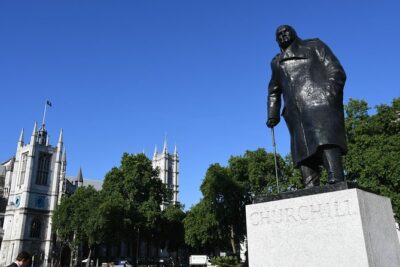
At Parliament Square, you spend about 10 minutes looking at the statues and hearing about Churchill’s place in British public life. The most important figure here is Churchill himself, shown in one of London’s most recognizable political settings.
This stop adds a useful question to the tour: how should a nation remember a leader whose wartime role was immense but whose full career was more complicated? The supplied material focuses on Churchill’s leadership and legacy, so you can expect the guide to make the statue part of a larger conversation rather than simply point it out.
A small group helps here. You can ask about the statue, Churchill’s political career, or the stories attached to the square without holding up a large crowd.
A few more London half days worth a look
- Stonehenge, Windsor Castle, and Bath from London
★ 4.5 · 18,662 reviews - London Big Bus Hop-On Hop-Off Tour with Optional River Cruise
★ 3.5 · 10,803 reviews - London Small Group Tour of Historical Pubs
★ 5.0 · 10,422 reviews - Stonehenge, Windsor Castle and Bath with Pub Lunch in Lacock
★ 4.5 · 7,402 reviews
Whitehall and the Cenotaph
The walk through Whitehall takes about 20 minutes, making it one of the longer outdoor sections. Whitehall is the political center of modern Britain, lined with government buildings, military associations, and memorials connected to war.
This part of the route is valuable because it shows how closely military decisions and government were linked. Churchill was not operating in an abstract command room. He was part of a political system, surrounded by officials, ministers, military leaders, and public institutions.
The tour then pauses at the Cenotaph for about 10 minutes. This memorial honors soldiers who fought and died in war, and the guide uses it as a moment of respect rather than a quick photo opportunity.
You may find this section more reflective than the opening stops. The Battle of Britain Monument points toward defense and victory. The Cenotaph points toward the cost. That change in mood gives the walk balance.
Parliament and Churchill’s Wartime Government
The Houses of Parliament receives another short stop of about 10 minutes. Here, the guide explains the building’s history and Churchill’s role in rebuilding the House of Commons after wartime destruction.
The subject matters because Churchill’s leadership was tied to the survival of parliamentary government. Seeing the building from outside helps you connect speeches, political decisions, and physical damage to a real place.
Again, this is not a guided interior visit to Parliament. You are learning from the exterior, so expectations matter. If you want to tour the inside of the Houses of Parliament, that would require a separate arrangement.
Horse Guards Parade and Churchill the Soldier
Horse Guards Parade is another 10-minute stop. The area is associated with military ceremonies, and the guide discusses Churchill’s earlier life in the cavalry.
This is a welcome change from the familiar image of Churchill as a statesman. His military background helps explain part of his public identity and his approach to leadership. The setting also gives you a clear sense of how ceremonial and military traditions remain woven into Whitehall.
The stop is short, but it adds personal detail to the political story. It is especially useful if your main interest is Churchill himself rather than the broader military campaign.
Westminster Abbey and Wartime Damage
The route also passes Westminster Abbey, England’s coronation church and a building with nearly 1,000 years of history. You spend about 10 minutes here and hear how the Abbey was attacked by the Nazis.
That detail changes the way you look at the building. Westminster Abbey is usually associated with kings, queens, coronations, and national ceremony. During World War II, it was also part of a city under threat.
The tour does not include admission to the Abbey. You see it from the outside and receive the wartime context from your guide. If you want to visit the interior, allow separate time and budget for that.
Ninety Minutes Inside Churchill’s War Rooms
The Churchill War Rooms are the core of the experience, and your ticket is included. You spend about 90 minutes inside the underground headquarters that directed Britain’s war effort.
The rooms are preserved as a time capsule from the 1940s. You can expect to see the operational spaces, offices, corridors, and working areas that show how decisions were made under pressure. The attraction is not only Churchill’s personal story. It also reveals the staff, systems, maps, communications, and routines that kept government functioning during the war.
Your guide does not accompany you inside. Instead, you receive an audio guide, which lets you set your own pace. That arrangement has both strengths and limits.
I like the freedom. You can pause when something catches your attention, move faster through familiar material, and spend more time on rooms that interest you. The tradeoff is that you lose the chance to ask your walking guide a question at the exact moment it occurs.
The 90-minute allowance is useful, but you may need to manage your time. The War Rooms contain enough material to occupy far longer than an hour and a half, especially if you read every panel. If you are a serious World War II enthusiast, you may want to continue exploring after the formal tour ends, if opening arrangements allow. The stated experience itself provides about 90 minutes.
The museum works best after the outdoor walk because the earlier stops give you a sense of place. Whitehall is no longer just a government street. Parliament is no longer just a famous building. The underground rooms become part of a connected wartime center.
Guide Style and the Small Group Format
The guide can shape this tour more than any single monument. Several guide styles appear in the supplied material, so you should expect a personal, story-led approach rather than a dry lecture.
Alex is noted for building a clear picture of wartime London and for offering useful tips before entering the War Rooms. That kind of practical guidance matters because the museum visit is self-guided once you go inside.
Judd is described as well informed and clear. Rosie is remembered for being warm, witty, and easy to understand. Marni has led private-feeling tours for very small groups, including a parent and child, with explanations adjusted to what the pair wanted to see.
Amber brings a more theatrical style. She is known for animated storytelling and singing, even keeping the group engaged in heavy rain. That will delight some people and feel less comfortable to others, so it is worth considering your preferred guide style.
With a maximum of eight people, the tour should feel easier to manage than a large group. You can hear the guide more clearly, ask questions, and stop for photos without a long line of people waiting. The small size does not guarantee a private tour, but if only a few people book, it may feel quite intimate.
Price, Timing, and Practical Value
At $115.16 per person, this is not the cheapest way to see the Churchill War Rooms. The price includes the museum entrance and a roughly three-hour guided route through central Westminster.
The value depends on how much structure you want. If you only want museum admission, a separate ticket may be less expensive. If you want the War Rooms placed within a Churchill and World War II walking story, the added cost pays for the guide, the route, and the time spent connecting several nearby sites.
The tour is particularly useful on a first London visit when you want to understand Westminster quickly. It also suits a return visitor who has seen Big Ben and Parliament but wants the wartime details behind the familiar views.
Wear comfortable shoes. Most stops are short, but you are outdoors for much of the first part. Bring your own water because bottled water is not included, and there are no comfort breaks or refreshments during the tour.
Check your confirmation carefully for the date, time, and meeting point. A serious scheduling error caused one missed tour when the participant arrived on the wrong day, so do not rely only on a phone-wallet pass. The stated meeting point is the Battle of Britain Monument, not simply Westminster Underground Station.
The experience is offered in English and uses a mobile ticket. Service animals are allowed, and most people can participate. It is subject to good weather and a minimum group size. If the operator cancels for poor weather or because too few people book, you are offered another date or experience, or a full refund.
Your own cancellation is different. The booking is non-refundable and cannot be changed for any reason, so reserve only when your London schedule is firm.
Who Will Get the Most From This Tour
I would choose this tour if you want a focused introduction to Churchill and wartime Westminster, especially if you enjoy learning outdoors before spending time in a museum.
It is a strong fit for:
- History buffs who want the Battle of Britain, the Blitz, Churchill, and military memorials in one outing.
- First-time London visitors who want an organized walk through Westminster.
- Families with older children who can manage a three-hour walking experience.
- Solo visitors who like the ease of a small group.
- People who value a live guide but are comfortable using an audio guide inside the museum.
I would think twice if you want a leisurely day with plenty of café stops, if you dislike walking in uncertain weather, or if you need a fully guided museum visit. The route has no scheduled break, and the guide does not enter the War Rooms with you.
Should You Book the Churchill Westminster Tour?
Book it if you want more than a ticket to the War Rooms. The best feature is the connection between the streets of Westminster and the preserved underground command center. You begin with monuments, government buildings, and memories of the Blitz, then finish where Britain’s wartime decisions were carried out.
The tour is also a good choice when you want a human guide to make the outdoor portion lively. Alex, Judd, Rosie, Marni, and Amber represent different styles, from detailed storytelling to humor and song.
Skip it if you already know Westminster well and would rather spend several hours inside the museum at your own pace. In that case, direct admission may suit you better.
For most people with a serious interest in Churchill or World War II, the included entry, small group, and compact route make the $115.16 price reasonable. Just bring water, wear good shoes, check the date carefully, and remember that the final museum section is audio-guided.
FAQ
How long does the tour last?
The experience lasts approximately three hours.
Where does the tour begin?
It begins at the Battle of Britain Monument, 79 Whitehall, London SW1A 2NS, UK.
Where does the tour end?
It ends at the Churchill War Rooms on King Charles Street, London SW1A 2AQ, UK.
Is admission to the Churchill War Rooms included?
Yes. Your entrance ticket to the Churchill War Rooms is included.
Does the guide enter the War Rooms with the group?
No. The guide does not join you inside the museum. You receive an audio guide for the museum visit.
How much time do you spend inside the War Rooms?
The planned museum visit lasts about 1 hour and 30 minutes.
How many people can join the tour?
The maximum group size is eight people.
Is the tour offered in English?
Yes. The tour is offered in English.
Are morning and afternoon departures available?
Yes. You can choose from morning or afternoon departure times.
Are food, drinks, or comfort breaks included?
No. Bottled water, refreshments, and comfort breaks are not included, so bring water and plan accordingly.
Is the tour refundable if I cancel?
No. The experience is non-refundable and cannot be changed for any reason. If the operator cancels because of poor weather or an insufficient number of bookings, you are offered a different date or experience, or a full refund.
Recently added around London
- London’s Crown Secret: Self-Guided Royal Puzzle Quest★ 4.5 · 8 reviews
- Postcard London★ 5.0 · 8 reviews
- Private Tour: Downton Abbey London Locations by Taxi★ 5.0 · 8 reviews
- Windsor Castle, Stonehenge & Roman Baths Private Tour★ 4.5 · 8 reviews
- Cotswolds Private Driving Tour from London★ 5.0 · 8 reviews
- Skip-the-line London Westminster Abbey and City of Westminster Kid-Friendly Tour★ 5.0 · 8 reviews
- A Silent Disco Adventure in London★ 5.0 · 8 reviews
- London: National Gallery English Audio Tour with free fast Entry★ 3.0 · 8 reviews
Churchill War Rooms Tours, compared.
Westminster 3 Hour Walking Tour and Visit of Churchill War Rooms
Read our review →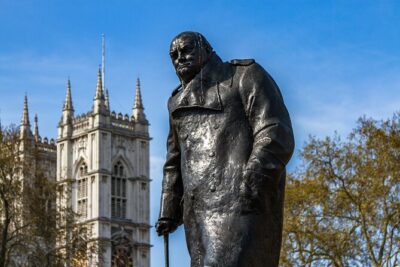
WW2 London Walking Tour & Churchill War Rooms Entrance Ticket
Read our review →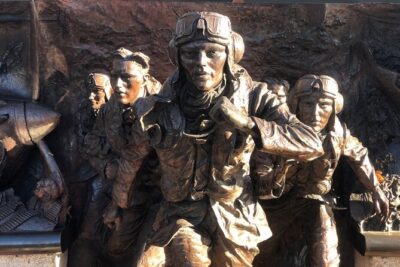
London in WW2 Walking Tour with Churchill War Rooms Visit
Read our review →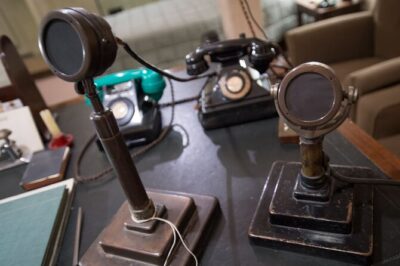
Churchill War Rooms “Behind The Glass” and Private Car Tour
Read our review →
Sir Winston Churchill Private Walking Tour & War Rooms
Read our review →
Winston Churchill’s London and The Churchill War Rooms – A Private Tour.
Read our review →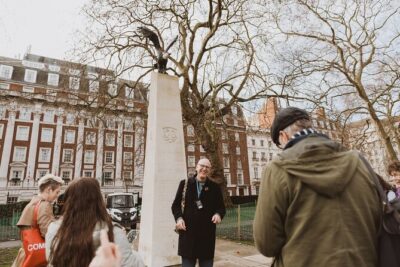
Winston Churchill Walking Tour with WII War Rooms Entrance
Read our review →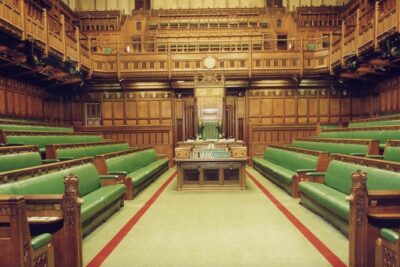
Darkest Hour – Parliament and Churchill War Rooms Private Tour
Read our review →Browse the lists this tour appears in