Reviewed · TICKETS
Day Entry Ticket
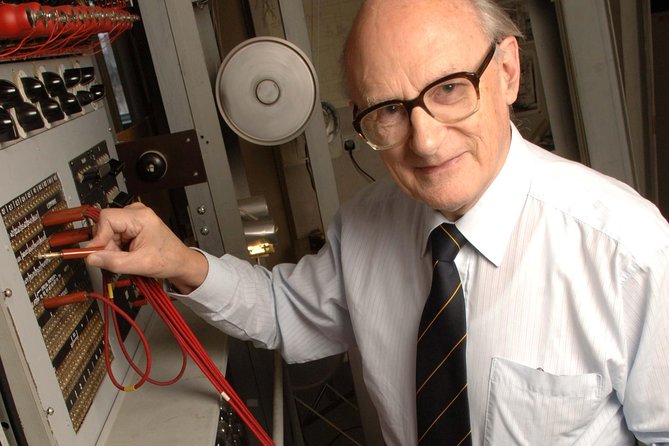
The most remarkable thing here is that you do not just look at dead machines behind glass. The National Museum of Computing in Milton Keynes presents working historic computers, including rebuilt versions of the Turing-Welchman Bombe and Colossus. You can trace the leap from wartime codebreaking to mainframes, home computers, video games, mobile technology, and the internet.
I like two things right away: the collection gives you a clear story of how computing changed, and the staff bring machines to life through talks and demonstrations. The retro games area adds a welcome hands-on note, especially if your interest in computers began with a keyboard, joystick, or old home console.
The main point to watch is the museum’s location. It is on the Bletchley Park site but is a separate museum, so this ticket is not admission to Bletchley Park itself. Check your booking carefully before you pay, and allow enough time if you plan to visit both places.
Key points to know before you go
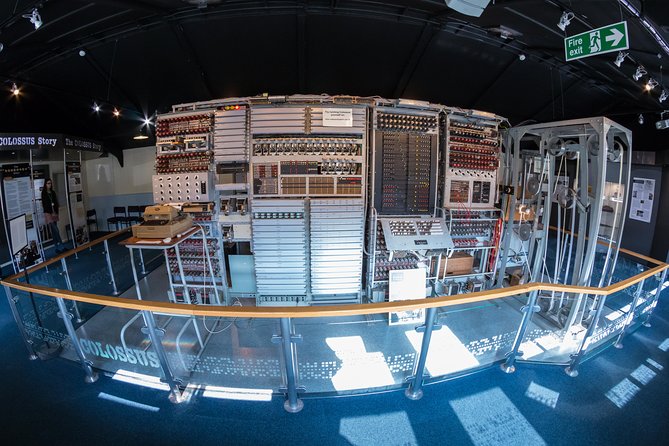
- Working Bombe and Colossus machines: See rebuilt wartime computers operating, rather than only reading about them.
- A broad computing story: The exhibits cover Enigma, Lorenz, Colossus, postwar mainframes, personal computers, retro games, mobile devices, and the internet.
- Separate from Bletchley Park: Your admission is for The National Museum of Computing, not the wider Bletchley Park attraction.
- Plan for two to six hours: The visit can be a short stop or a substantial half-day, depending on how closely you examine the displays.
- Good help on site: Talks, demonstrations, friendly staff, sensory maps, and clear explanations make the collection easier to follow.
- Simple facilities: A café offers light refreshments, and outside seating is available.
Seeing the machines that changed wartime codebreaking
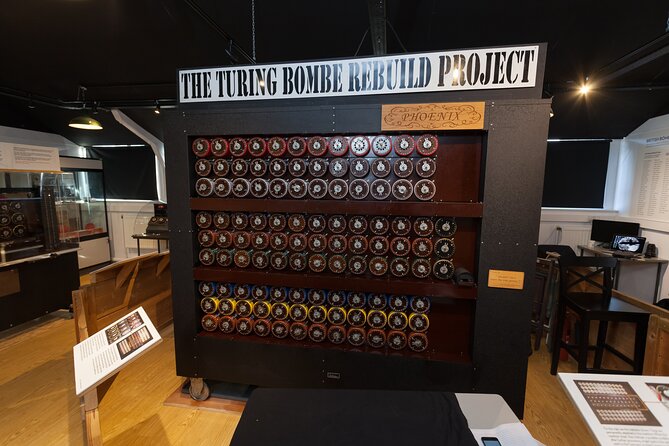
The strongest part of the museum is its wartime computing collection. The Turing-Welchman Bombe, Enigma, Lorenz, and Colossus displays show how people and machines worked together to attack encrypted messages during the 1940s.
The rebuilt Bombe is especially useful because it gives physical scale to a subject that can otherwise feel abstract. Codebreaking is often reduced to names and dates, but a working machine helps you understand the mechanical effort behind the work. The sounds, movement, and sheer size make the task feel less like a puzzle on paper and more like an industrial operation.
Colossus is another major draw. It was built for high-speed codebreaking and represents an early stage in electronic computing. The museum’s demonstrations help connect the machine to the people who designed, operated, and maintained it. You do not need a technical background to appreciate the basic point: this was large, difficult, specialized equipment built for an urgent wartime purpose.
I would make time for any scheduled talks or demonstrations. They add the human explanation that labels alone cannot provide. Staff are praised for explaining the exhibits patiently, and that matters here because many of the machines require context before their importance becomes clear.
This section works best for visitors interested in World War II, engineering, mathematics, or the story behind Britain’s codebreaking effort. If your main interest is only modern laptops and smartphones, give it a fair chance. The wartime machines explain why later developments were possible.
A few more England half days worth a look
- Tower of London and Crown Jewels Exhibition Ticket
★ 4.5 · 6,677 reviews - Thorpe Park Admission Ticket
★ 4.0 · 5,915 reviews - Alton Towers Resort 1 Day Admission Ticket
★ 3.5 · 5,501 reviews
Following computing from mainframes to home machines
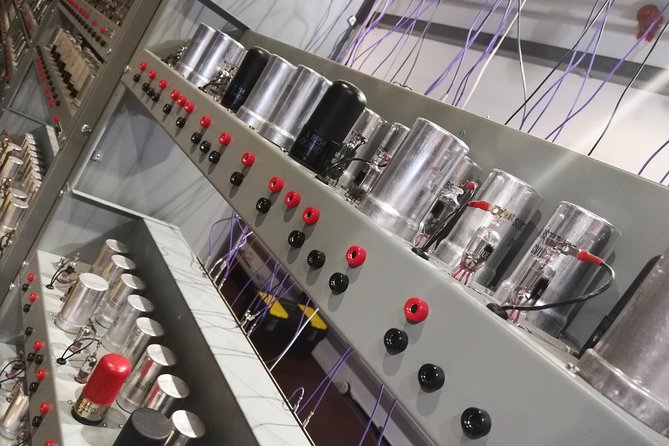
After the wartime material, the museum follows the growth of computing through the 1950s, 1960s, and 1970s. This part shows the move from rare, room-sized systems to machines that gradually became more practical and more widely used.
The large systems and mainframes are valuable because they correct a common misunderstanding about computer history. Personal computers did not appear from nowhere. They followed decades of work on storage, processing, programming, machine design, and electronic reliability.
You can see the change in physical form as much as in technical purpose. Early systems occupied a great deal of space and demanded specialist attention. Later machines made computing more accessible, first to institutions and then to homes and individuals.
I like this section for its sense of scale. A modern phone performs tasks that once required equipment filling a room, but that comparison can feel too easy when made from a distance. The exhibits let you follow each stage rather than jumping straight from wartime codebreaking to the digital life you know today.
The collection is also useful for anyone who grew up with early personal computers. It can trigger strong memories, but it also works for younger visitors who know these machines only from photographs. The point is not simply nostalgia. It is seeing how design choices, limitations, and new ideas shaped the tools people used.
Retro games and the personal side of technology
The personal computing and retro games displays provide a change of pace after the more technical wartime and mainframe exhibits. This is where the story becomes familiar and playful.
Old games are not just a distraction from the serious displays. They show how computing moved into ordinary homes and became a source of entertainment, creativity, and social activity. The transition from specialist machinery to something you could play with is one of the most important shifts in the whole collection.
You may find the games area especially appealing if you remember early computer graphics, simple controls, or the patience required by older software. It also gives families and mixed-interest groups a natural place to spend time together. One person can focus on the engineering displays while another enjoys the interactive side.
Do not expect every part of the museum to offer the same hands-on experience. The collection includes working machines, talks, and demonstrations, but the exact operation of individual exhibits can vary. The retro area is a highlight for many people, yet the museum’s main value comes from the full sequence of developments around it.
Mobile computing and the arrival of the internet
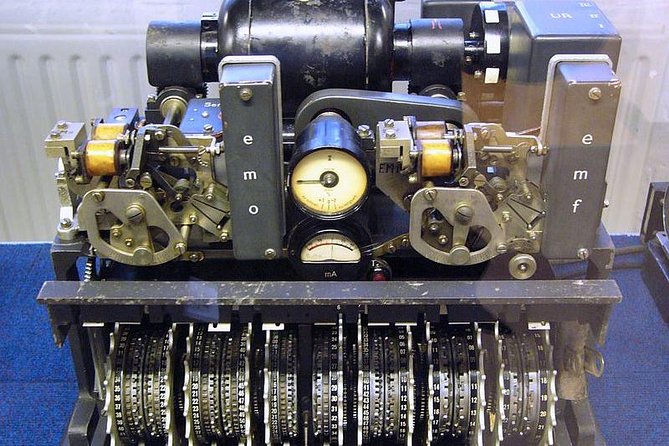
The final stages of the story bring the subject close to daily life. The rise of mobile computing and the internet explains how computers moved from fixed locations into pockets, homes, workplaces, and global networks.
This section helps tie the older exhibits to the world you use now. It is easy to treat smartphones and online services as a separate era, but the museum presents them as part of a long progression. The same broad themes keep returning: smaller machines, faster processing, wider access, and new ways for people to communicate and work.
For me, this is where the visit gains its full meaning. The Bombe and Colossus are the headline machines, but the museum is not only about wartime technology. It is about the long chain of ideas that led from early codebreaking systems to personal and mobile computing.
The displays may be most rewarding if you move through them in order. That way, you can see how each period changes the possibilities of the next. If you rush straight to the machines you recognize, you may miss the explanation of how computing reached that point.
A completely different sort of day out in England:
- Stonehenge, Windsor Castle, and Bath from London
★ 4.5 · 18,662 reviews - London Big Bus Hop-On Hop-Off Tour with Optional River Cruise
★ 3.5 · 10,803 reviews - London Small Group Tour of Historical Pubs
★ 5.0 · 10,422 reviews - Beatles Magical Mystery Tour
★ 5.0 · 9,266 reviews
How long should you allow?
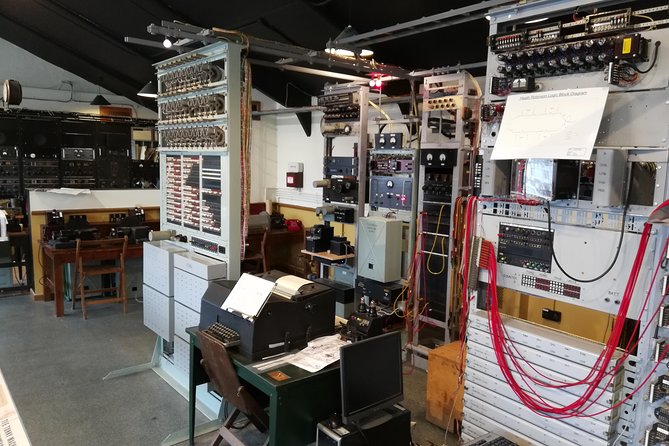
The stated visit length is about two to six hours. That is a wide range, but it makes sense for a collection with such different levels of detail.
Two hours can work if you want the major exhibits, a few explanations, and a look at the retro games. You will need to keep moving, especially if you stop for a talk or demonstration.
Three to four hours is a more comfortable target for many people. It gives you time to examine the wartime machines, follow the mainframe and personal computer displays, spend time in the games area, and pause for refreshments.
Six hours suits serious enthusiasts, researchers, and anyone combining the museum with a careful look at every section. The collection is large enough that you can spend considerable time reading, comparing machines, and asking questions.
The museum is open on Tuesday from 10:30 a.m. to 5 p.m. for the stated operating period. Check the current date and hours before setting out, since the information provided specifies Tuesday hours only.
The important Bletchley Park distinction
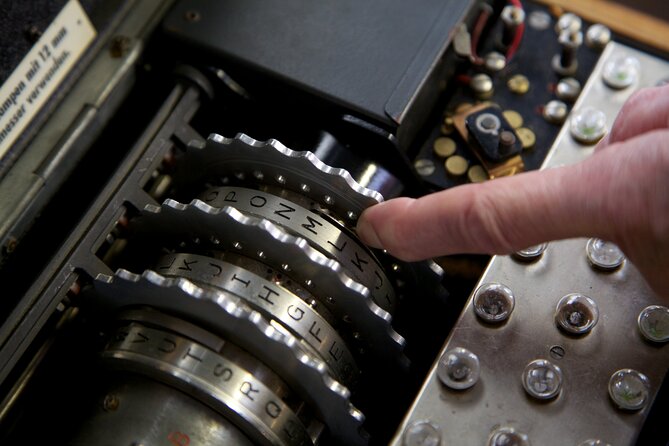
This is the practical detail most likely to affect your plans. The National Museum of Computing and Bletchley Park are separate attractions, even though they are connected with the same site area and wartime story.
This ticket includes admission to The National Museum of Computing. It does not include entry to Bletchley Park. If you arrive expecting one ticket to cover both, you could end up paying again at the door, which can spoil an otherwise good day.
I suggest deciding in advance what you want to see. If your goal is working historic computers, codebreaking machines, and the development of computing, this ticket is aimed at you. If you want the wider Bletchley Park experience, including its own exhibits and grounds, you need to arrange that separately.
The distinction is not a minor technicality. It changes both the price and the amount of time you need. A combined day around the site can be worthwhile, but it should be planned as two admissions rather than one.
Is the $20.83 admission good value?
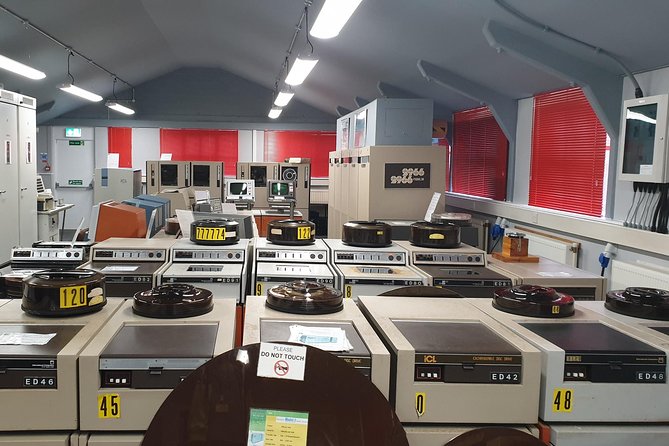
At about $20.83 per person, the ticket is reasonably priced for a visit that can occupy two to six hours. The value improves if you attend a demonstration and take time with the working machines rather than treating the museum as a quick photo stop.
The strongest value comes from the unusual collection. You are not paying only to see familiar brands or rows of old computers. You are seeing machines connected to wartime codebreaking, early large-scale computing, home technology, games, and the internet.
The price is less attractive if you intended to visit Bletchley Park and assumed this admission covered both. That is why checking the attraction name on your confirmation matters more than simply comparing the headline price.
Skip-the-line entry is offered, which can make arrival easier. Still, the real benefit of this ticket is the admission itself and the chance to see the collection in operation. The museum’s 4.6 rating from 131 reviews and 91 percent recommendation rate suggest a strong overall experience, but your enjoyment will depend heavily on your interest in technology and history.
Facilities, access, and practical comfort
The museum has a café for light refreshments and outside seating. These are modest facilities, but useful if you are spending several hours with the collection or visiting as part of a longer day around Bletchley.
Sensory maps are available, which can help you prepare for the layout and exhibits. Service animals are allowed, and the museum is near public transportation. The activity is offered in English through a mobile ticket.
Most people can participate, though the supplied information does not give detailed access notes for every display. If you have specific mobility or sensory needs, use the available sensory map and contact the provider before arrival for details that are not listed.
The museum welcomes individual visitors, schools, groups, and corporate visits. That range tells you something about the format: it is designed to explain the collection, not simply to present a silent exhibition. Talks and demonstrations are an important part of the experience.
Who will enjoy this museum most?
I would recommend it first to people with a genuine interest in computing, engineering, World War II, codebreaking, or the history of everyday technology.
It also suits families and mixed groups better than you might expect. The wartime displays provide serious historical content, while the games area offers something more immediately accessible. The range means you do not all need to have the same reason for visiting.
It is a particularly good choice for anyone who wants to understand how modern technology developed. The museum connects machines that seem impossibly old with the devices you use every day.
You may find it less satisfying if you want a polished, entertainment-focused attraction with quick explanations and constant interactivity. Much of the reward comes from taking your time, listening to staff, and thinking about what each machine was built to do.
Should you book The National Museum of Computing?
Book it if you want working Bombe and Colossus machines, patient explanations, historic mainframes, early personal computers, and retro games in one visit. The museum offers a rare chance to see computing history as a working process rather than a series of dates and portraits.
I would pair it with Bletchley Park only after checking both admissions and opening times. For the museum alone, the price is fair and the two to six hour range gives you flexibility.
The clearest reason to skip it is a lack of interest in technology or technical history. For everyone else, particularly those already planning to visit the Bletchley area, this is an easy attraction to miss and one worth making room for.
FAQ
Is this ticket for Bletchley Park?
No. The ticket is for The National Museum of Computing, which is a separate museum from Bletchley Park. You need separate admission if you also want to visit Bletchley Park.
How long does the visit take?
The visit takes approximately two to six hours, depending on how much time you spend with the exhibits, talks, demonstrations, and retro games.
What can I see at The National Museum of Computing?
You can see working historic computers and exhibits covering the Turing-Welchman Bombe, Enigma, Lorenz, Colossus, large systems and mainframes, personal computers, retro games, mobile computing, and the internet.
When is the museum open?
The provided schedule lists Tuesday opening hours from 10:30 a.m. to 5 p.m. for the operating period shown. Check the current hours before visiting.
Are refreshments available?
Yes. The museum has a café serving light refreshments and provides outside seating.
Can I cancel the booking?
Yes. You can cancel up to 24 hours before the experience start time for a full refund. Cancellations or changes made less than 24 hours before the start time are not accepted for a refund.
Recently added around England
- Brighton to Heathrow Airport private taxi transfers★ 5.0 · 8 reviews
- London’s Crown Secret: Self-Guided Royal Puzzle Quest★ 4.5 · 8 reviews
- Postcard London★ 5.0 · 8 reviews
- The Condensed Canterbury Tour★ 5.0 · 8 reviews
- Private Tour: Downton Abbey London Locations by Taxi★ 5.0 · 8 reviews
- Windsor Castle, Stonehenge & Roman Baths Private Tour★ 4.5 · 8 reviews
- CS Lewis & Tolkien Tour with Magdalen Entry Public tour 13.45★ 5.0 · 8 reviews
- Cotswolds Private Driving Tour from London★ 5.0 · 8 reviews
Tickets, compared.

Tower of London and Crown Jewels Exhibition Ticket
Read our review →

Liverpool City Sights Hop On Hop Off City Tour – 24hr Ticket
Read our review →