
Reviewed · LIVERPOOL TOURS
A Walk Through Time: History of Liverpool Walking Tour
Liverpool’s story comes into focus when you follow the docks, streets, and buildings that made it a world port. This 1-hour-50-minute walk links medieval Liverpool with the cotton trade, Atlantic commerce, the Old Dock, the Royal Albert Dock, and the Three Graces. It is a useful first look at why this city mattered far beyond the Beatles.
I like the strong focus on Liverpool’s maritime past, including its role in the transatlantic slave trade. I also like the guides’ local approach: John is especially praised for his clear, entertaining storytelling, while Julio has led engaging walks too. The main drawback is pace. There is a lot to cover, and one guide may speak quickly, especially with traffic and wind along the waterfront.
Key things to know before you book
- The tour connects 13th-century Liverpool with its modern city center, so you get more than a quick look at the waterfront.
- The Old Dock is a major highlight, marking the site of the world’s first commercial wet dock, built in 1715.
- John and Julio bring different strengths, with John known for detailed local stories and lively explanations.
- The difficult side of Liverpool’s past is included, particularly the city’s involvement in Atlantic trade and slavery.
- The group can reach 40 people, so staying close to the guide matters.
- Wind and cold can affect the walk, especially near the River Mersey. Wear a warm coat and comfortable shoes.
Starting beneath Liverpool’s Three Graces
The walk begins at the Royal Liver Building on Pier Head, one of Liverpool’s most recognizable landmarks. This is a sensible meeting point because it places you right beside the waterfront and the famous Three Graces: the Royal Liver Building, the Cunard Building, and the Port of Liverpool Building.
The opening ten minutes focus on these grand buildings and Liverpool’s rise as a port. You can expect an introduction to the city’s waterfront identity before setting off into older parts of town. The Royal Liver Building itself is viewed from outside on this experience, so admission is not included.
I like this beginning because it gives you an immediate visual reference. The buildings are impressive, but their real value comes from understanding why they were built here and what Liverpool’s waterfront represented at the height of its commercial power.
The area can be windy, and traffic noise may compete with the guide’s voice. John has been praised for speaking clearly in those conditions, but you should still stay close and avoid drifting toward the back of the group.
More History Tours in Liverpool
- Best Of Liverpool Heritage, History & Culture Guided Walking Tour
★ 5.0 · 539 reviews - History Guided Tour of Liverpool and the Beatles
★ 5.0 · 408 reviews - Liverpool Hidden History and Dead House Evening Walking Tour
★ 5.0 · 200 reviews
Finding Liverpool’s medieval roots at St. Nicholas
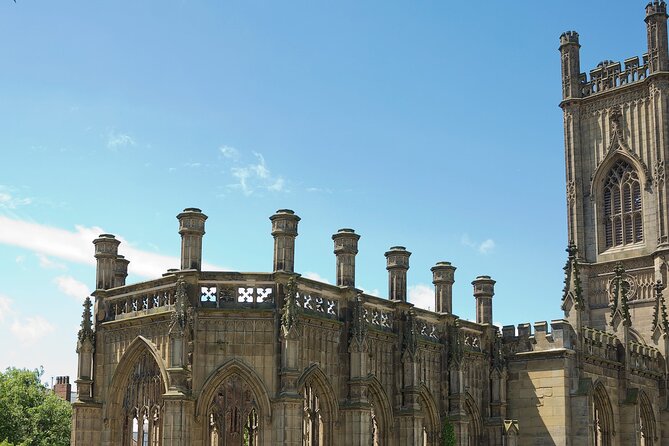
From Pier Head, you cross the Strand to Liverpool Parish Church Gardens. The site is linked to the former St. Nicholas’ Church, named for the patron saint of sailors. Here, the story reaches back to Liverpool’s beginnings in 1207.
This is one of the most useful stops for anyone who sees Liverpool only as a Victorian port. The city’s global importance did not appear overnight. Its later success grew from a medieval settlement with access to the river and the sea.
The guide uses the surviving setting and its physical evidence to explain Liverpool’s creation in the 13th century. You are not simply hearing dates. You are looking at a place connected with the city’s earliest development.
The stop lasts about 15 minutes and is free to enter. It is also a reminder that Liverpool’s oldest story is not found only in large public buildings. Some of its earliest clues are tucked into open gardens and older church sites beside the modern road network.
Old Hall Street and the rise of global trade
Old Hall Street takes you through another layer of Liverpool’s past. The road dates to the 13th century and was associated with the old town center after Liverpool received its town charter.
The walk then moves toward the Cotton Exchange and Grade I listed buildings. This is where the commercial story becomes more intense. Liverpool’s port grew by handling goods from around the world, and by the late 18th century the city had overtaken London in the cotton trade.
That success came with a serious human cost. The tour addresses Liverpool’s role in Atlantic trade, including its involvement in the transatlantic slave trade. This is important. A history walk about Liverpool’s wealth would be incomplete without explaining how much of that wealth was tied to forced labor and slavery.
I appreciate that the tour does not treat the city’s past as a string of pleasant anecdotes. You get the ambition, wealth, and engineering, but also the parts that demand a more careful response. The guide’s job here is to connect buildings and commerce with the people and systems behind them.
The stop itself takes about ten minutes, though the subject may feel larger than the time suggests. If this topic matters to you, keep questions in mind and use the guide’s invitation to ask them.
Liverpool Town Hall and Georgian power
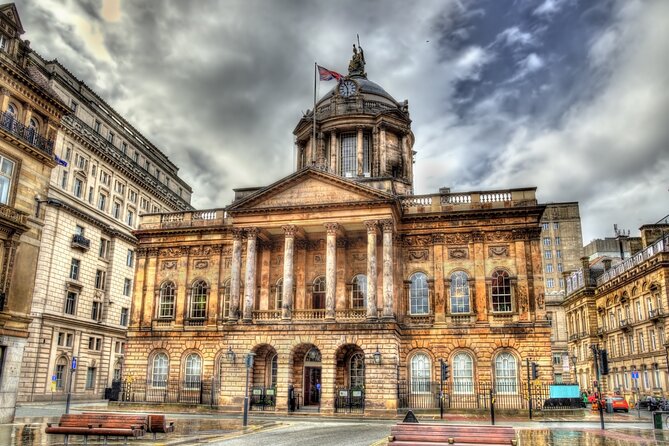
Liverpool Town Hall dates from 1749 and is presented as one of the finest surviving Georgian buildings in the United Kingdom. The walk does not include admission, so the focus is on the exterior and the story attached to it.
This building helps explain how Liverpool changed from a port town into a center of commerce. Its scale and design reflect the confidence of a city that was making money from shipping, trade, and industry.
The guide provides an academic account of the building and the city’s growth. That does not mean you need a background in history to follow along. The strongest part of the experience is the way individual buildings are tied to larger changes in Liverpool’s fortunes.
You spend about ten minutes here. It is a short stop, but it gives you a useful pause between the medieval and commercial sections of the walk.
More Walking Tours in Liverpool
- Liverpool Ghost Walking Tour
★ 5.0 · 862 reviews - Beatles Famous Walking Tour Of Liverpool- Fully Guided
★ 5.0 · 751 reviews - Downtown Liverpool Walking Tour – In Spanish
★ 5.0 · 591 reviews - Tales from the Necropolis – A Ghost Walk Through St. James Cemetery
★ 5.0 · 263 reviews
Castle Street, where Liverpool’s past is visible
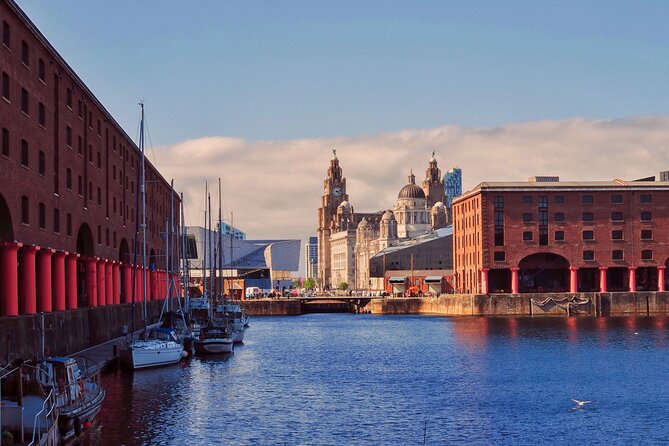
Castle Street is perhaps the clearest walk through time on the route. Its buildings show how Liverpool developed during the 18th century, and the street itself is linked with the former Liverpool Castle.
The route uses architecture to explain change. You can see how a medieval town evolved into a wealthy port city, then into the modern center you find today. This is one of the places where the physical surroundings do much of the teaching.
The stop lasts around 15 minutes and is free. Because it is a public street, you are not entering a controlled museum setting. That makes the experience feel connected to everyday Liverpool, though it also means traffic, pedestrians, and street noise may interrupt the presentation.
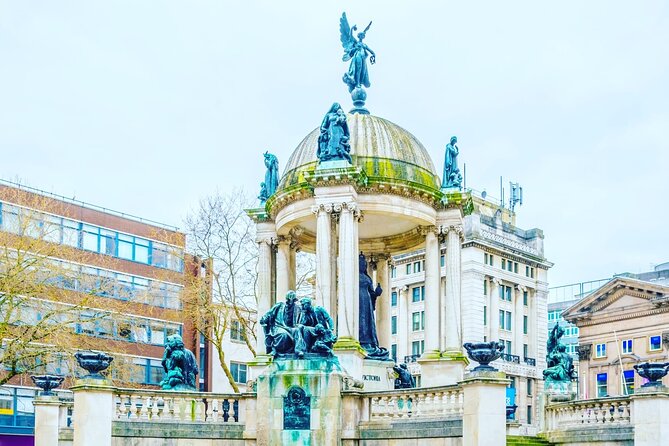
At the Queen Victoria Monument, the guide continues the story of Liverpool’s growth. The discussion centers on the castle site and the city’s development into what the tour describes as the largest port on the planet for global trade by 1800.
The monument is also significant for practical reasons. The advertised endpoint is at One Derby Square, by the Queen Victoria Monument, at the bottom of Castle Street. The route description also includes a final look at the Three Graces, so confirm the exact finishing point when booking or meeting the guide. Either way, the walk ends in a central area with access to major parts of the city.
Liverpool ONE and the contrast with modern commerce
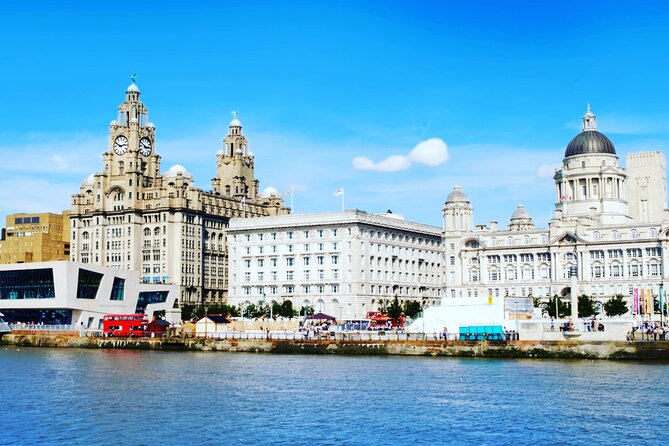
The route then passes through Liverpool ONE, the modern shopping and entertainment district. You receive a guided look at its shops and attractions, rather than a long historical stop.
At first this may seem like a break from the past. It is actually a useful contrast. Liverpool’s commercial center has changed from docks, warehouses, exchanges, and town halls to retail and leisure spaces. The city is still trading on its central location, but the goods and activities have changed.
The ten-minute section is not the main reason to book the tour. Think of it as a bridge between Liverpool’s older commercial story and its present-day city center.
The Old Dock, a turning point in port history
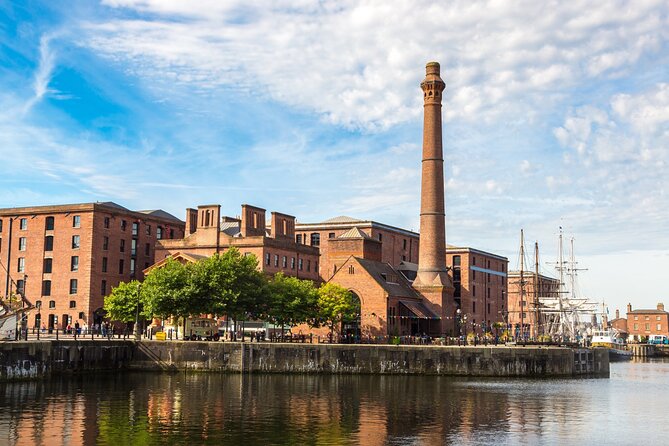
The Old Dock is one of the most important stops on the walk. Built in 1715, it was the first commercial wet dock on the planet. The dock allowed ships to load and unload with greater efficiency, regardless of the river’s changing tides.
That engineering step helped Liverpool compete on a larger scale. The tour explains how the dock contributed to the city’s rise as one of the world’s most efficient ports.
This stop is especially valuable because it shows that Liverpool’s success was not just the result of geography. The city also invested in infrastructure that made trade faster and more dependable.
You spend roughly ten minutes here. The remains are not presented as a grand, intact dock complex, so you need to listen closely and use the guide’s explanation to picture what once occupied the site.
Royal Albert Dock and Liverpool’s 19th-century strength
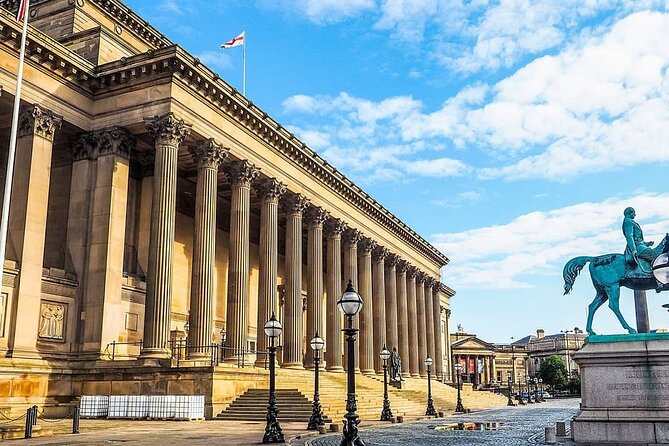
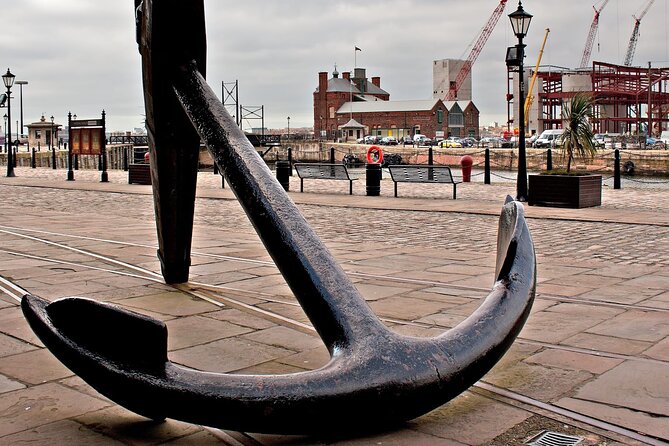
The walk continues to Royal Albert Dock, built in 1846. This is where Liverpool’s 19th-century commercial story becomes most visible.
The dock’s large brick warehouses and waterfront setting make it easier to picture the movement of cargo and the scale of the port. The guide explains how the area functioned as a center of commerce and discusses Liverpool’s involvement in the First and Second World Wars.
The war connection adds another layer to the dock’s story. Liverpool was not simply a place where goods arrived and departed. Its port had strategic value, and that role continued into the 20th century.
You spend about ten minutes at Royal Albert Dock. You may want to return later for a slower look, since this walk gives you the historical frame but not a long period for museums, shops, or indoor attractions.
A final look at the Three Graces
The advertised final section returns to the Three Graces and Liverpool’s waterfront. It lasts about five minutes and brings the story back to where it began.
That circular structure works well. You start with the city’s grandest waterfront symbols, travel through medieval origins and commercial expansion, then return with a better understanding of what those buildings represented.
The final stop is brief, so do not expect a long architectural lecture. Its purpose is to tie together the main themes: shipping, trade, civic ambition, and Liverpool’s place in global commerce.
What the guide adds to the experience
The guide is the main reason this walk works. John is repeatedly praised for his passion for Liverpool and for the sheer amount of information he can communicate in two hours. He has also been described as friendly, funny, clear, and willing to answer questions.
That enthusiasm matters on a history walk. A list of dates would be tiring. The best moments come when a guide connects a street, building, or dock with a human story and a wider change in the world.
Julio has also led the tour and is described as engaging and well informed. The experience may feel slightly different depending on who leads it, but both names are associated with an approachable presentation.
There is a tradeoff. The tour covers a great deal in a short time. One person found the guide spoke too fast, while others valued the amount of material covered. If you have hearing difficulties or prefer a slow pace, stay near the guide and ask for repetition when needed.
Is $27.74 good value?
At $27.74 per person, this is a fair price for a nearly two-hour guided walk, especially if you are new to Liverpool. You are paying for interpretation and connections between places, not entry to paid attractions.
The value is strongest during your first day in the city. The walk helps you understand where the docks, town center, commercial streets, and waterfront fit together. That context can make later visits to Royal Albert Dock, the museums, and the Three Graces more rewarding.
It is less useful if you want a slow architectural tour or extended time inside buildings. Most stops are around ten to fifteen minutes, and the tour covers a broad area rather than examining one site in great depth.
The stated maximum is 40 people. That is a fairly large group for a walking tour, though some departures may be smaller. A larger group can make questions and hearing more difficult, particularly near busy roads.
Practical advice for a comfortable walk
Wear comfortable shoes. The route covers city streets and waterfront areas, and you will be standing for much of the experience.
Bring a warm coat or jacket, even when the forecast looks mild. Wind from the River Mersey can make the waterfront feel cold, and one particularly useful tip from the experience is to dress for exposed conditions.
The tour is offered in English and uses a mobile ticket. It is near public transportation, service animals are allowed, and most people can take part.
The experience requires good weather. If poor weather forces a cancellation, you are offered another date or a full refund. You can also cancel for a full refund up to 24 hours before the start time. The provider, Global City Experience, states that changes or cancellations inside that 24-hour window are not accepted.
The tour is often booked about 19 days ahead. That does not guarantee every date will sell out, but it is a useful sign that you should reserve before arriving if your schedule is fixed.
Who should book this Liverpool walk?
I would choose this tour if you want a big-picture introduction to Liverpool, especially its port, trade, docks, and civic buildings. It suits first-time visitors, history fans, and people who want more context before exploring the waterfront on their own.
It also suits locals who suspect they know Liverpool but have never connected the city’s medieval beginnings with its commercial rise. John’s local focus has proved useful even for people who have lived in the area for decades.
I would choose something else if your main interest is Beatles history, food, nightlife, or museum interiors. Those subjects are not the focus here. You should also think twice if you dislike brisk walking, outdoor weather, or discussions of uncomfortable parts of Britain’s commercial past.
Should you book A Walk Through Time?
Book it if you want Liverpool explained through the places that built it. The strongest parts are the Old Dock, the maritime trade story, the medieval origins near St. Nicholas, and the honest treatment of the transatlantic slave trade.
The walk packs a lot into 110 minutes, so expect speed rather than lingering. Stay close to the guide, dress warmly, and treat the tour as an orientation to Liverpool’s waterfront and commercial center. At $27.74, it offers solid value for a clear sense of how this important port city came to be.
FAQ
Where does the walking tour begin?
It begins at the Royal Liver Building, Liver Building, Pier Head, Liverpool L3 1HU, UK.
Where does the tour end?
The stated meeting information places the end at the Queen Victoria Monument, One Derby Square, James Street, Liverpool L2 1AB. The route also includes a final section at the Three Graces, so confirm the exact endpoint with the provider.
How long does the tour last?
The experience lasts approximately 1 hour and 50 minutes.
How much does the tour cost?
The listed price is $27.74 per person.
What language is the tour offered in?
The tour is offered in English.
How large can the group be?
The maximum group size is 40 people. Some departures may be smaller.
Is admission to the buildings included?
No. The stops at the Royal Liver Building and Liverpool Town Hall specify that admission is not included. The other listed stops are free.
What happens if the weather is poor?
The tour requires good weather. If it is canceled because of poor weather, you are offered a different date or a full refund.
Can I cancel for a full refund?
Yes. You can cancel at least 24 hours before the start time for a full refund. Cancellations or changes made less than 24 hours before the experience are not accepted.
Recently added around Liverpool
- Liverpool Football Club Museum Entry★ 5.0 · 10 reviews
- The Liverpool Pass®: All top attractions inc. Hop-On Hop-Off Bus Tour | 2-Days★ 4.5 · 11 reviews
- 2-Hour Private Liverpool Walking Tour★ 5.0 · 12 reviews
- Private Liverpool Culture Walking Tour, Ghosts & Two Cathedrals.★ 4.5 · 12 reviews
- Liverpool Film and Music – 2 hour Private Walking Tour★ 5.0 · 12 reviews
- Liverpool’s Best Craft Drinks & Pub Food With A Local: Private & Personalized★ 5.0 · 12 reviews
- Liverpool Ultimate Beatles Ticket To Ride Half-Day PRIVATE Tour★ 5.0 · 12 reviews
- 4 Hour Private Beatles Tour in Liverpool★ 5.0 · 13 reviews
Liverpool Tours, compared.
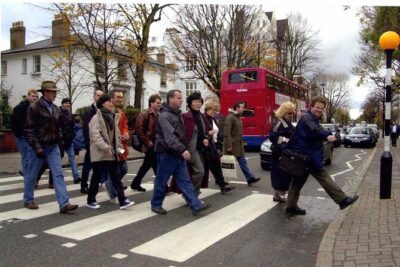
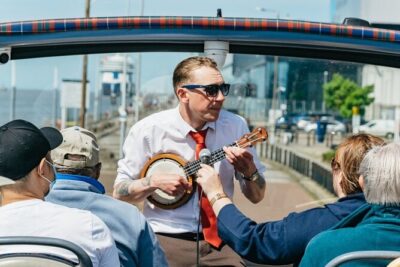
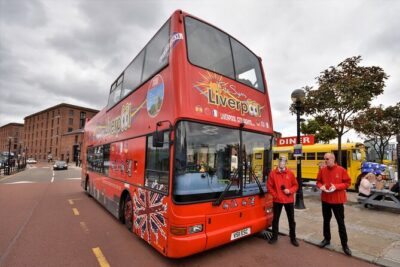
Liverpool City Sights Hop On Hop Off City Tour – 24hr Ticket
Read our review →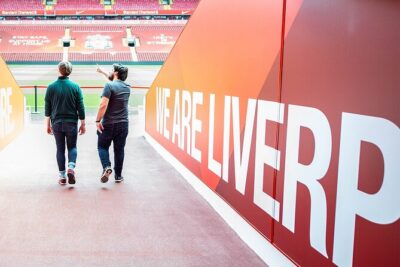

Private 3-Hour Guided Beatles Classic Tour of Liverpool
Read our review →
Browse the lists this tour appears in