
Reviewed · NORWICH TOURS
Cruise Wells Next The Sea on Historic RNLI and Dunkirk Veteran Lifeboat
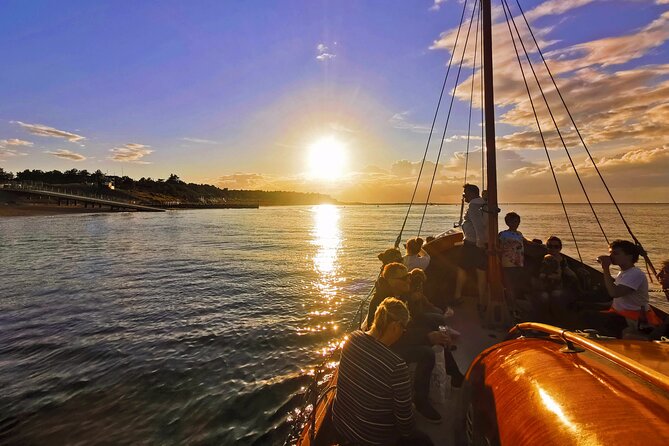
The most memorable part of this Wells-next-the-Sea boat trip is the boat itself: a working piece of wartime and lifesaving history, carefully restored with handsome mahogany fittings. You cruise the harbour in a vessel that once had a serious job to do, while the crew explain its past and the future plans for its preservation. The boat is the star, not just your transport.
I like the small maximum of 12 people, which gives you room to look around and ask questions without shouting across a packed deck. I also like the pause off Wells Beach, where you drift with the tide, take in the shoreline, and enjoy a hot chocolate, tea, coffee, or cold drink. The main consideration is weather: this is an open-water outing, and a poor forecast can lead to cancellation or a date change.
Key points to know before you book
- Ride a genuine wartime lifeboat: The RNLI and Dunkirk Veteran Lifeboat gives the cruise a strong sense of place and purpose.
- Small group, up to 12 people: You get a more personal experience and a better chance to speak with the crew.
- Cruise through Wells Harbour: The route combines local maritime stories, wildlife watching, and views across the water.
- Pause off Wells Beach: The boat drifts with the tide for about 15 minutes while you enjoy the view and a drink.
- History comes with the scenery: Expect stories about local lifeboat work, Operation Dynamo, and the boat’s renovation.
- Plan around the weather: Free cancellation is available up to 24 hours before departure, and poor weather may cause a full refund or a new date.
Why this boat trip feels different from a standard harbour cruise
Many short boat rides are mainly about sitting back and taking photographs. This one has a stronger purpose. You are aboard a lifeboat linked to the RNLI and the Dunkirk evacuation, so every turn through the harbour comes with a connection to rescue work, wartime service, or the future care of the vessel.
That gives the 90-minute outing more substance than a simple scenic ride. You are not only looking at Wells-next-the-Sea from the water. You are also learning why the harbour mattered, how lifeboats served the coast, and what it takes to bring an old boat back into good condition.
The setting helps. Wells has a long maritime identity, and the cruise lets you see the harbour from the same water that shaped the town’s working life. The crew handle the practical details, leaving you free to listen, watch for wildlife, and ask questions.
The boat’s intimate size matters, too. With no more than 12 people, the crew can speak directly to the group. If you are curious about Operation Dynamo, the RNLI, or the renovation work, this is the sort of trip where your question is likely to become part of the conversation rather than disappear in a crowd.
More History Tours in England:
- London Small Group Tour of Historical Pubs
★ 5.0 · 10,422 reviews - Soho Music & Historic Pubs Tour
★ 5.0 · 1,993 reviews - Shadows of York: Ghost Walk and Horrible History.
★ 5.0 · 1,403 reviews
Meeting at 2 E Quay in Wells-next-the-Sea
The tour begins at 2 E Quay, Wells-next-the-Sea, NR23 1FA. It also ends at the same meeting point, so you do not need to arrange transport back from another part of the harbour.
The location is near public transportation, which helps if you are visiting Wells without a car. Your booking confirmation arrives at the time of booking, so check it before setting out for the exact departure information supplied by the operator.
The meeting point is in Norwich according to the tour details, but the actual cruise departs from Wells-next-the-Sea. If you are planning a day from Norwich, allow enough time to reach Wells and find 2 E Quay before the start. The activity itself lasts about an hour and a half, but your full day will need to include the journey to the coast.
Cruising the historic harbour
Once aboard, the first part of the outing takes you through Wells Harbour. This is where the crew connect the water around you with Wells’ maritime past, local lifeboat stories, and plans for the vessel’s future.
The harbour section is more than a short introduction. It gives you time to look closely at the boat while learning how it served. The restoration is an important part of the experience, especially for anyone interested in traditional boats, RNLI work, or the practical side of preserving an old vessel.
The crew’s explanations are a major reason to choose this trip. The history is delivered as you move through the harbour, so the setting gives each story a useful visual link. You can ask about the boat’s earlier life, its connection to Dunkirk, and the work involved in restoring its interior and fittings.
The pace should suit you if you prefer an informative ride rather than a fast run. Wildlife and harbour views are part of the appeal, but the focus remains firmly on the boat and the coast. If you want a high-speed thrill ride, this is not the right choice. If you want time to look, listen, and talk, the slower format works well.
Seeing Wells Beach from the water
The cruise continues to Wells-next-the-Sea Beach, one of the most scenic parts of the route. The boat stops here and drifts with the tide for about 15 minutes, giving you a quiet stretch of time to look back at the beach from offshore.
This pause changes the mood of the trip. The harbour section is full of stories and detail. At the beach, you have space to take in the view, watch the water, and enjoy your drink without the boat constantly moving.
Tea, coffee, hot chocolate, and cold drinks are available during the outing. Hot chocolate received special praise for adding something extra on cooler or sunset departures. On a hot day, the chance to sit out on the water with a cold drink can be just as welcome.
The beach stop is also a good point for photographs. The view from the water gives you a different angle than a walk along the sand, and the boat itself will be part of many pictures. Keep in mind that the boat drifts with the tide, so this is a scenic pause rather than a landing. You do not get off to explore Wells Beach.
A few more England half days worth a look
- SEA LIFE Great Yarmouth General Admission
★ 4.0 · 517 reviews - Tours of Colchester
★ 5.0 · 266 reviews - Scroby Sands Seal Watching
★ 5.0 · 162 reviews - Hunstanton SEA LIFE Sanctuary General Admission Ticket
★ 4.0 · 57 reviews
The boat’s wartime and RNLI story
The historical focus is the reason this experience earns its price. A boat with RNLI and Dunkirk connections gives the crew something real to explain, rather than relying on a general talk about the area.
Operation Dynamo, the 1940 evacuation from Dunkirk, is one topic you can ask about directly. The tour also covers the wider lifeboat service and local rescue stories. The exact balance between wartime history, local geography, wildlife, and restoration may vary with the questions asked and the conditions on the day.
The renovation work adds a useful present-day angle. You hear not only about where the boat has been, but also about the plans for its future. That makes the trip feel connected to an ongoing project rather than a display frozen in the past.
The boat’s mahogany interior is another memorable detail. It gives the ride a warm, traditional character and makes the restoration easy to appreciate. You can see why the crew care about the vessel. The boat is not a plain modern launch carrying a historical talk. Its materials and design form part of the story.
What the small group changes
A 12-person maximum is one of the strongest practical advantages. On a large sightseeing boat, the guide’s voice may compete with engines, wind, and other conversations. Here, the group size supports a more direct exchange.
You can ask about the boat, local geography, lifeboat service, or Dunkirk without making a formal event of it. The crew appear to take pride in the subject, and that enthusiasm is important. Historical information is easier to remember when the person explaining it clearly cares about the boat.
A small group also gives you a better chance to see the details around you. You can move your attention between the harbour, the beach, the wildlife, and the boat’s fittings. The outing is still shared with other people, but it does not have the feel of a crowded excursion.
The trade-off is that a small boat offers less room than a large sightseeing vessel. Seating, shelter, and the ability to move around may be more limited than on a big cruise boat. The supplied information does not specify the seating arrangement or level of weather cover, so dress for changing coastal conditions and avoid assuming the ride will be fully sheltered.
Sunset, heat, and the changing mood of the ride
The tour works at different times of day. A morning or afternoon departure gives you a calm way to see the harbour and beach, with the emphasis on local stories and the boat’s design.
A sunset trip can feel more atmospheric. The fading light over the water adds to the old wooden boat and makes the ride especially appealing for photography. There is one practical catch: the sun may disappear below the horizon before the trip ends. That is not a fault with the cruise, but it does mean the best light can pass quickly.
Warm weather also changes the experience. On a hot day, being on the water provides a welcome break, and a cold drink fits the setting. In cooler weather, hot chocolate, tea, or coffee can make the beach pause more comfortable.
You should not treat the weather policy as a minor detail. The experience requires good weather, and poor conditions can result in a cancellation. If that happens, you are offered another date or a full refund. The operator’s decision protects the safety and comfort of the trip, but it means you should keep some flexibility in your schedule.
Is $243 good value?
At $243, this is not a cheap harbour ride. The price makes the most sense when you view it as a private-feeling historical experience rather than a basic boat transfer or short sightseeing cruise.
You are paying for a small group, a specialist vessel, crew-led history, restoration insight, harbour views, wildlife watching, a beach pause, and a drink. The 90-minute duration is not long, but the boat and the stories give the time more weight than a standard ride of the same length.
Value depends on your interests. If you mainly want to reach the beach or take a quick ride on the water, the cost may feel high. If you care about lifeboats, wartime history, traditional boats, or local maritime life, the unusual setting makes the price easier to justify.
The strongest value comes when you take part. Ask questions. Look closely at the mahogany work. Listen for details about the boat’s earlier service and future plans. If you sit quietly and treat it as a generic cruise, you will miss much of what makes it distinctive.
The high rating, 5 out of 5 from 199 ratings and a 99 percent recommendation rate, points to a consistently well-received experience. Still, those figures cannot remove the weather risk or guarantee that every departure will feel the same. A fire in the nearby nature reserve once drew the crew’s attention away from the usual presentation as lifeboats helped move firefighters and equipment. That kind of unexpected event is rare, but it shows that this is a real working harbour, not a staged set.
Who should book this Wells lifeboat cruise?
I would recommend it to you if you like history best when it is tied to a real object and a real place. The boat gives the stories a physical presence, and the harbour and beach provide a clear sense of the coast that lifeboat crews served.
It also suits couples, families, solo visitors, and small groups who prefer a quiet, personal outing. Most people can take part, and service animals are allowed. The small capacity makes it a good option if you find large group excursions tiring or impersonal.
It is less suitable if you need a fully indoor activity, dislike changing weather, or want a fast-paced ride. It may also disappoint you if your main goal is to spend time on Wells Beach, since the boat stops offshore and does not include beach access.
For the best experience, arrive ready to listen and ask questions. Choose a departure time that matches your mood: daylight for clear views, or sunset for softer light and a more reflective atmosphere. Bring a camera, but give yourself time to notice the boat’s details and the crew’s stories.
Booking, cancellation, and practical details
You receive confirmation when you book, and the activity uses a mobile ticket. The group is limited to 12 people, and the cruise returns to the meeting point at 2 E Quay.
Free cancellation applies up to 24 hours before the start time for a full refund. Cancellations or changes made within 24 hours are not refunded, and the cut-off is based on local time.
Because good weather is required, the operator may cancel in poor conditions. In that case, you are offered a different date or a full refund. Build a little flexibility into your plans if this boat trip is an important part of your day.
Should you book the RNLI and Dunkirk lifeboat experience?
Book it if you want a small, personal cruise where the vessel matters as much as the view. The combination of RNLI service, Dunkirk history, local rescue stories, restoration work, and Wells Beach gives you plenty to think about during a short outing.
Skip it if you want a low-cost sightseeing boat, a beach landing, or guaranteed shelter from the weather. For the right visitor, though, the price buys access to a rare setting and a crew-led story that you cannot get from a walk along the quay. The hot chocolate, mahogany fittings, sunset light, and chance to drift with the tide are pleasant extras. The real reason to go is the lifeboat itself.
FAQ
Where does the cruise start?
The experience starts at 2 E Quay, Wells-next-the-Sea, NR23 1FA, UK.
Where does the cruise finish?
The activity ends back at the meeting point at 2 E Quay.
How long does the experience last?
The cruise lasts approximately 1 hour and 30 minutes.
How many people can join the tour?
The tour has a maximum of 12 travelers.
Does the cruise visit Wells-next-the-Sea Beach?
The boat travels to Wells-next-the-Sea Beach and stops offshore for about 15 minutes. You drift with the tide and view the beach from the water, but the provided information does not include a beach landing.
Are drinks included during the trip?
You can enjoy tea, coffee, hot chocolate, or a cold drink while the boat pauses near the beach.
Is the tour suitable for service animals?
Yes. Service animals are allowed.
What happens if the weather is poor?
The experience requires good weather. If the operator cancels because of poor conditions, you are offered a different date or a full refund. You can cancel at least 24 hours before the start time for a full refund. Cancellations within 24 hours are not refunded.
Recently added around England
- London’s Crown Secret: Self-Guided Royal Puzzle Quest★ 4.5 · 8 reviews
- Brighton to Heathrow Airport private taxi transfers★ 5.0 · 8 reviews
- The Condensed Canterbury Tour★ 5.0 · 8 reviews
- Postcard London★ 5.0 · 8 reviews
- Private Tour: Downton Abbey London Locations by Taxi★ 5.0 · 8 reviews
- Windsor Castle, Stonehenge & Roman Baths Private Tour★ 4.5 · 8 reviews
- CS Lewis & Tolkien Tour with Magdalen Entry Public tour 13.45★ 5.0 · 8 reviews
- Cotswolds Private Driving Tour from London★ 5.0 · 8 reviews
Norwich Tours, compared.


Hunstanton SEA LIFE Sanctuary General Admission Ticket
Read our review →
Norwich City Game: Medieval Mystery & Walking Tour
Read our review →
Browse the lists this tour appears in