Reviewed · LONDON TOURS
Handel Hendrix House General Admission
George Frideric Handel and Jimi Hendrix lived in neighboring Brook Street homes, two centuries apart. This museum links them through rooms where music was made, not through a forced theme. You climb Handel’s old staircase, see his music rooms, then head upstairs to Hendrix’s small London flat.
I like the freedom to arrive during opening hours and explore without a fixed group schedule. I also like the chance to hear musicians practicing in Handel’s rooms, though this is not guaranteed. The main drawback is size: you can see the museum in an hour, so it may feel brief if you expect a full-day attraction.
Key points
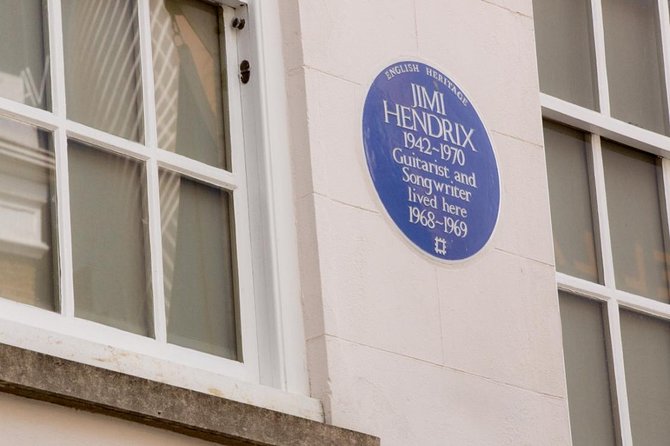
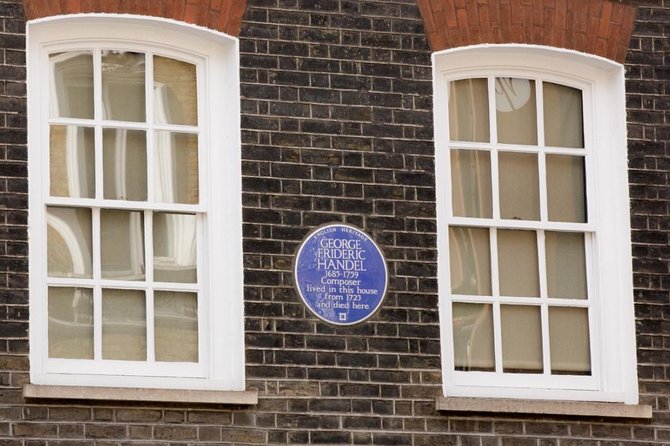
- Two musicians, one address: Handel lived at 25 Brook Street from 1723 to 1759, while Hendrix lived next door at 23 Brook Street from 1968 to 1969.
- Handel’s restored rooms: See where he composed, rehearsed, entertained, and wrote Messiah.
- A 250-year-old staircase: The climb is part of the experience, but it is old and uneven.
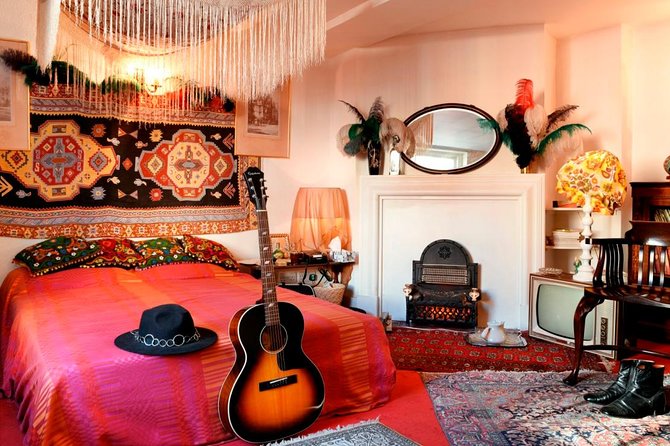
- Hendrix’s recreated flat: Visit the main room where Jimi lived with Kathy Etchingham.
- Live music may be heard: Harpsichord, strings, singers, or concert practice can add a powerful sense of place.
- Good value for music lovers: At about $19.98 per person, admission works best as a focused one-to-two-hour stop in central London.
Two musical lives on Brook Street
The clever idea here is simple: two famous musicians lived next door to each other, but in very different Londons. Handel occupied 25 Brook Street during the 18th-century Baroque period. Jimi Hendrix lived at number 23 in the late 1960s, when London was at the heart of popular music.
The museum lets you move between those worlds without pretending they were alike. Handel’s rooms feel tied to work, status, and performance. Hendrix’s flat feels more personal and domestic. Together, the two homes show how London drew musicians from abroad and gave them a place to build their careers.
You will make your own way to Brook Street and enter at your preferred time between 10am and 5pm, Wednesday through Sunday. Last admission is at 4pm. There is no scheduled guide-led route, so you can spend more time with the rooms or displays that interest you most.
Plan on one to two hours. I would allow closer to two hours if you are a serious Handel or Hendrix fan, or if musicians are practicing during your visit.
A few more London half days worth a look
- Stonehenge, Windsor Castle, and Bath from London
★ 4.5 · 18,662 reviews - London Big Bus Hop-On Hop-Off Tour with Optional River Cruise
★ 3.5 · 10,803 reviews - London Small Group Tour of Historical Pubs
★ 5.0 · 10,422 reviews
Climbing into Handel’s 18th-century home
At 25 Brook Street, the first physical reminder of the building’s age is the 250-year-old staircase. It is described as wonky, and that is part of its charm. Take care as you climb, especially if you are carrying a bag or moving slowly.
Handel lived here from 1723 until his death in 1759. The restored rooms show the setting where he composed, rehearsed, performed, and met leading figures from the musical world of his time. You are not simply looking at furniture in old rooms. You are seeing the working spaces of a composer whose music was made for voices, instruments, and live audiences.
The music rooms are the heart of this part of the visit. Handel wrote Messiah here, giving the rooms a strong connection to one of the best-known works in Western music. The displays also bring out his forceful personality, including the story that he threatened to throw opera singers out of the windows when they refused to sing his arias.
That detail keeps the visit from becoming a dry lesson in dates. Handel appears as a working musician with deadlines, performers to manage, and strong opinions about how his music should sound.
When the rooms begin to play
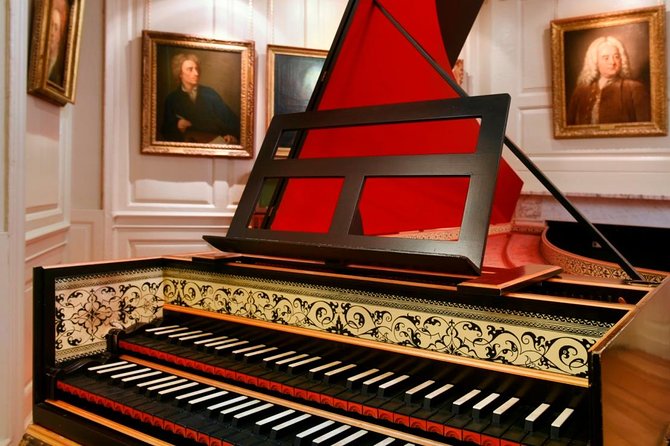
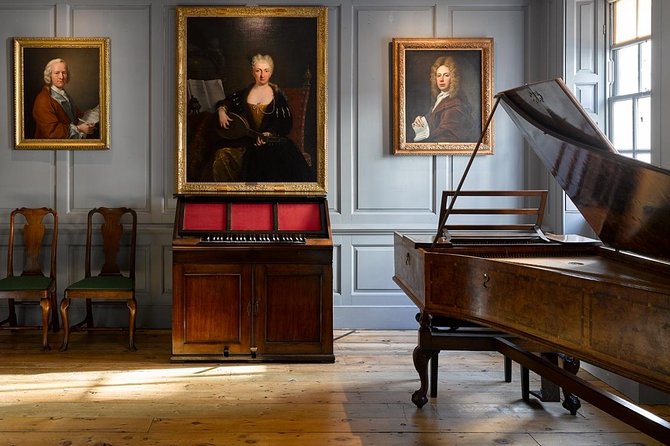
One of the best possibilities at Handel’s house is hearing music in the rooms themselves. Musicians sometimes play the harpsichords, and practice sessions can include strings or singers. A concert may also be taking place later in the day.
You should not book this admission ticket expecting a scheduled performance. The music depends on what is happening during your visit. Still, if you happen to hear a harpsichord or a singer warming up, stop and listen. Sound moving through these old rooms gives you a clearer sense of what they were built for than a display panel can provide.
This is also where staff can add real value. The museum is small enough that a staff member may be able to answer questions or point out details that you would otherwise miss. One visitor had a particularly rewarding conversation with the staff while musicians practiced for an evening concert. That kind of informal contact can turn a short museum stop into a memorable one.
Handel’s bedroom, dressing room, and final days

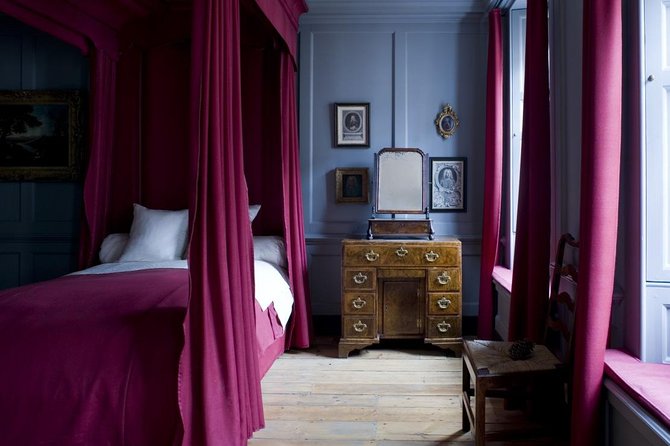
The visit continues through Handel’s dressing room and bedroom, including the room where he died. These spaces shift the focus from public performance to private life.
You will also find temporary displays about Handel, his work, and the people around him. The content can change, so the exact experience depends partly on what is on view during your visit. Take time to read these sections if you want more than a quick look at the rooms.
The Handel section may surprise you if you arrive mainly for Hendrix. The displays explain how Handel worked in London and how his music fitted into the city’s opera and concert life. The museum does a good job of making the composer accessible without requiring you to arrive with a background in Baroque music.
A completely different sort of day out in London:
- Stonehenge, Windsor Castle and Bath with Pub Lunch in Lacock
★ 4.5 · 7,402 reviews - Tower of London and Crown Jewels Exhibition Ticket
★ 4.5 · 6,677 reviews - Thorpe Park Admission Ticket
★ 4.0 · 5,915 reviews - Stonehenge, Windsor Castle and Bath Full Day Guided Tour
★ 4.5 · 5,346 reviews
Moving upstairs to Jimi Hendrix’s London
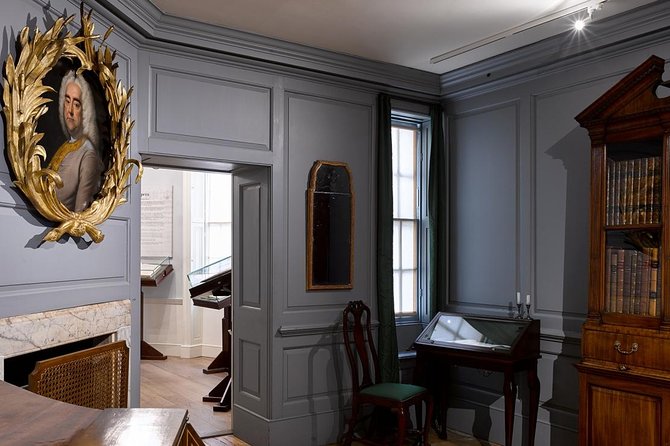
The Hendrix flat is on the third floor, next door at 23 Brook Street. Hendrix lived there from 1968 to 1969 with his girlfriend Kathy Etchingham. The period was short, but the flat mattered to him. He described it as the first place he had truly called home.
That idea gives the Hendrix section its emotional center. This is not a tour of a grand celebrity mansion. It is a look at a young musician’s London home during the height of his fame.
The main room has been recreated to reflect how Hendrix had it. The presentation covers how he lived and played there, along with details about 1960s London and the music scene that helped make him famous. If you come mainly for Hendrix, this is the part you will want to study slowly.
Kathy Etchingham consulted on the recreation of Jimi’s room, which helps explain why the setting feels more specific than a generic period display. The room is intended to show a real domestic space, not just a collection of famous objects.
Guitars, effects, and the working musician
The Hendrix displays include an Epiphone acoustic guitar and Roger Mayer’s Octavia. These objects help explain Hendrix’s sound in practical terms.
The Octavia was an effect used in Hendrix’s music, and the display discusses how and why he used such equipment. That is useful even if you are not an equipment specialist. Instead of treating the guitar as a magic object, the museum connects the instrument and effects to the way Hendrix shaped his sound.
The display also reminds you that Hendrix was not only a stage figure. He lived in this flat, worked on music, and built a daily life during a period when London embraced his talent. That personal scale is what makes the upstairs rooms worth the climb.
A staff member or intern may be present in the Hendrix bedroom to explain the displays. The museum has received strong praise for staff who take time to talk through the objects and answer questions. You should ask if something catches your eye, especially if you want to understand the guitar equipment rather than simply photograph it.
How the two halves fit together

The Handel and Hendrix connection is chronological rather than musical. Handel’s rooms belong to the Baroque age, while Hendrix’s flat belongs to 1960s rock. The link is the address and the fact that both musicians made London central to their work.
That contrast is the museum’s strength. You can compare the formal music rooms of Handel’s home with Hendrix’s more intimate living space. You also climb some of the same general architectural setting that gave both musicians a place in London, though they lived two hundred years apart.
The pairing works best if you enjoy cultural history, music, or old houses. You do not need to be an expert in either musician. Handel fans may find themselves more interested in Hendrix than expected, while Hendrix fans may discover that Handel’s story occupies at least as much of their time as the upstairs flat.
Price, timing, and the value of a short visit
Admission costs about $19.98 per person. In London terms, that is a reasonable price for a specialist museum, but the value depends on how you use it.
If you rush through both homes in 45 minutes, the cost may feel high. If you spend an hour in Handel’s rooms, stop for live music when available, and take your time with the Hendrix displays, the ticket makes more sense. The freedom to arrive at a convenient time also helps if you are fitting the museum between other central London plans.
The average booking point is 18 days ahead, which suggests that you should not leave your visit until the last minute if your schedule is fixed. The ticket is a mobile ticket, and confirmation is provided when you book.
The museum is open Wednesday through Sunday, 10am to 5pm, with last admission at 4pm. It is not a daily attraction, so check the day carefully before planning your route. Children must be accompanied by an adult. Service animals are allowed, and most people can take part, though the old staircase may be a practical consideration for anyone who has difficulty with stairs.
Free cancellation is available if you cancel at least 24 hours before the experience start time. Changes or cancellations made within 24 hours are not accepted for a refund.
Who will enjoy this museum most
I would recommend this experience most strongly to:
- Hendrix fans who want to see more than a display of instruments
- Handel listeners who want a direct connection to the rooms where he worked
- People interested in London’s music story across different centuries
- Visitors who enjoy small historic houses and self-paced museums
- Families with older children who can manage the staircase and stay engaged with room displays
- Anyone looking for a focused central London stop rather than a large museum that takes half a day
The museum may be less satisfying if you want a long guided tour, a large collection, or a guaranteed concert. It is also not ideal for a very tight schedule if you arrive near the 4pm last admission time. The experience works best when you can slow down and listen, read, and look closely.
Practical ways to get more from your visit
Start with Handel rather than rushing upstairs to Hendrix. His rooms establish the building’s age and purpose, and the contrast makes the modern flat more effective.
If you hear a harpsichord, strings, or a singer, pause your route. Live sound is not promised, but it can be the most memorable part of the visit.
Give yourself time with the Hendrix equipment displays. The Epiphone guitar and Octavia are not just famous-name objects. Their explanations show how Hendrix worked with sound and effects.
Ask staff questions. The museum’s small scale makes conversation possible, and staff have been praised for being friendly and willing to explain both the historical rooms and the music.
Visit the gift shop at the end if you want a souvenir. Purchases are not included in the admission price.
Should you book Handel Hendrix House?
Book it if you like music, historic homes, or the idea of seeing two very different artists connected by one London address. The combination of Handel’s restored rooms, possible live practice, and Hendrix’s recreated flat gives you more variety than the modest size first suggests.
I would especially choose it for a free afternoon in central London, not as a major all-day attraction. At about $19.98, it offers good value when you allow one to two hours and take time with the staff and displays. Skip it only if stairs are a serious problem, your visit falls outside Wednesday through Sunday hours, or you need a guaranteed performance rather than museum admission.
FAQ
Where is Handel Hendrix House located?
The museum is on Brook Street in central London. Handel’s house is at 25 Brook Street, and Jimi Hendrix’s former flat is next door at 23 Brook Street.
How long does the visit take?
You should allow about one to two hours. The museum can be seen more quickly, but extra time is useful for the displays and any music practice taking place in Handel’s rooms.
What are the opening hours?
The museum is open Wednesday through Sunday from 10am to 5pm. Last admission is at 4pm.
Is the ticket self-guided?
Yes. You make your own way to Brook Street and explore at your own pace during opening hours.
What does the ticket include?
Admission includes entry to Handel’s former home and the next-door flat where Jimi Hendrix lived from 1968 to 1969.
Can I hear live music during the visit?
Musicians sometimes play harpsichords, and you might hear strings, singers, or practice for a concert. Live music is not guaranteed as part of the admission.
Is the museum suitable for children?
Most people can participate, but children must be accompanied by an adult.
Can I cancel for a refund?
Yes. You can cancel for a full refund if you do so at least 24 hours before the experience start time. Changes or cancellations made less than 24 hours before the start time are not accepted.
Recently added around London
- London’s Crown Secret: Self-Guided Royal Puzzle Quest★ 4.5 · 8 reviews
- Postcard London★ 5.0 · 8 reviews
- Windsor Castle, Stonehenge & Roman Baths Private Tour★ 4.5 · 8 reviews
- Private Tour: Downton Abbey London Locations by Taxi★ 5.0 · 8 reviews
- Cotswolds Private Driving Tour from London★ 5.0 · 8 reviews
- Skip-the-line London Westminster Abbey and City of Westminster Kid-Friendly Tour★ 5.0 · 8 reviews
- A Silent Disco Adventure in London★ 5.0 · 8 reviews
- Gangster Tour of Soho★ 4.5 · 8 reviews
London Tours, compared.

Stonehenge, Windsor Castle, and Bath from London
Read our review →
London Big Bus Hop-On Hop-Off Tour with Optional River Cruise
Read our review →

Stonehenge, Windsor Castle and Bath with Pub Lunch in Lacock
Read our review →
Tower of London and Crown Jewels Exhibition Ticket
Read our review →
Stonehenge, Windsor Castle and Bath Full Day Guided Tour
Read our review →
Windsor Castle, Stonehenge, and Oxford Day Trip from London
Read our review →