
Reviewed · ISLE OF MAN TOURS
Isle of Man Ancestry Tour
Finding a family headstone or standing outside an old church tied to your own family can change the way you see the Isle of Man. This private tour with guide Jane begins in Douglas and uses the information you provide about your Manx ancestors to shape the day.
I like the personal research done before pickup, and I like the freedom of a private vehicle for reaching far-flung villages, cemeteries, and viewpoints. The main consideration is that eight hours can only cover so much, so the final route depends on your family details, opening times, and the places that matter most to you.
Key points to know before booking
- Family research before the tour: Send your ancestor names ahead of time so Jane can gather what information she can before meeting you.
- Private group of up to four: You travel only with your own party, making it easier to adjust the day around your family story.
- Cemeteries, churches, and ancestral homes: The tour can include graves, worship sites, farms, streets, and villages connected to your Manx family.
- Island sights beyond genealogy: Expect possible stops at Cregneash Village, Peel, Tynwald Hill, Maughold, King Orry’s Grave, and other notable places.
- Eight hours in an air-conditioned vehicle: Pickup is available from a hotel, airport, or port, but lunch is not included.
- Strong record for the guide: The tour carries a 4.9 rating from 14 reviews, with 100 percent recommending it.
A family-history day that feels personal
Many sightseeing tours show you famous places, then move on. This one begins with names. Before the day starts, you send Jane whatever you know about your Manx ancestors, such as surnames, villages, churches, farms, or burial places. She then researches what she can and uses those clues to build a route.
That preparation matters. Genealogy on the road is rarely tidy. A family may have lived in one village, worshipped in another, and been buried several miles away. Records may be incomplete, and a cemetery may contain several people with the same surname. Jane’s advance work gives you a better chance of turning scattered family information into real places you can visit.
The strongest moments are likely to be quiet ones. You may find a gravestone, stand inside a church where your family worshipped, or drive along streets where an ancestor once lived. Those stops do not need much staging. The connection comes from knowing why you are there.
This is also an island tour, not only a genealogy appointment. Jane explains Manx customs and the island’s past as she drives, so you get a broader sense of the place your family came from. That helps put names and dates into a setting you can see and remember.
A few more England half days worth a look
- Viking Tour of the Isle of Man – Half Day – Private Tour
★ 5.0 · 29 reviews - Southern Manxland Tour of Isle of Man 1-6 person upto 30 person
★ 5.0 · 28 reviews - Half day private tours of the Isle of Man with a qualified Driver Guide
★ 5.0 · 27 reviews
Starting in Douglas at 9:00 am
The day begins at 9:00 am, with pickup arranged from your hotel, the airport, or the port. That flexibility is useful if you are arriving by ferry or flying in, though you should make the pickup point clear when booking.
Douglas is the practical launch point, but the day is designed to move beyond the capital. The air-conditioned vehicle keeps the journey comfortable as you travel between family sites and places of general interest. Since this is a private tour for your group only, you are not fitting your family questions into someone else’s schedule.
You should arrive with your family notes ready. Even a small amount of information can help: a great-grandparent’s name, a parish, a farm, a church, or an approximate date. If you have documents, photographs, or a family tree, bring them along. The supplied details specifically invite you to send ancestor names before the tour, so early preparation is one of the best ways to improve the day.
The tour lasts about eight hours. That sounds generous, but cemetery searches and family-history conversations can take time. If you have several branches of a family to trace, agree with Jane at the start on which names or locations matter most.
Finding graves, churches, farms, and old streets
The ancestry stops form the heart of the experience. One family group found the headstone of their great-great-grandparents, while another visited farms connected to their ancestors and the church where their family worshipped. These are the kinds of moments this tour is built to make possible.
Cemeteries can be especially meaningful, but they can also be unpredictable. A gravestone might be weathered, difficult to locate, or absent altogether. Jane can take you to cemeteries where your relatives may have been buried, but you should treat a successful discovery as a possibility, not a guarantee.
Churches add another layer. Visiting the building where your family worshipped gives you a sense of place that a record cannot provide. One tour included a visit inside St John’s Church, along with Tynwald Hill nearby. If a church is open, you may be able to see its interior rather than simply viewing it from the road. Opening conditions can vary, so it is wise not to assume every site will be accessible on the day.
The streets and villages where your relatives lived can be just as revealing as formal monuments. A drive through Peel, for example, can connect your family names to the shape of an old town. Seeing the setting helps you understand distances, nearby communities, and the daily world in which your ancestors lived.
Peel, the House of Manannan, and a picture of earlier life
Peel is one of the more useful places for combining genealogy with general sightseeing. If your family lived there, Jane can show you the streets linked to them. The town also offers a chance to look at the island beyond cemetery records.
The House of Manannan was included in one route. Jane allowed the visitors to explore the museum at their own pace, which is a good approach. A museum can be personal and absorbing, but it can also feel rushed if a guide insists on keeping everyone together. Here, you have room to focus on the displays that help you understand Manx life and your family’s setting.
The museum may be especially helpful if your family research has produced names but few stories. Seeing local customs and earlier ways of living can give context to the records. It cannot prove a family connection on its own, but it can make the island’s past easier to picture.
Castle Rushen was also part of one route, although it was closed when the group arrived. That detail is worth keeping in mind. The itinerary can include major sights, but access may depend on opening times and conditions. You should value the surrounding drive and historical explanation rather than assuming every listed stop will offer an interior visit.
A completely different sort of day out in England:
- Stonehenge, Windsor Castle, and Bath from London
★ 4.5 · 18,662 reviews - London Big Bus Hop-On Hop-Off Tour with Optional River Cruise
★ 3.5 · 10,803 reviews - London Small Group Tour of Historical Pubs
★ 5.0 · 10,422 reviews - Beatles Magical Mystery Tour
★ 5.0 · 9,266 reviews
Cregneash Village and Manx rural life
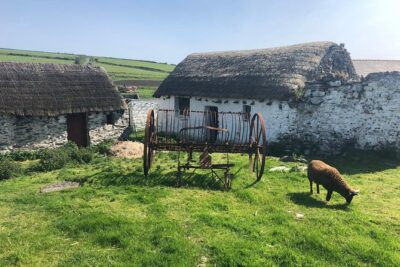
Cregneash Village offers a useful change of scale. Instead of focusing on one grave or surname, you get a glimpse of traditional island life. The visit can help you think about how earlier families lived, worked, and moved through their communities.
The experience may include close encounters with work horses and Manx Loaghtan sheep, a distinctive local breed. There was also a resident Manx cat during one visit. These small details give the stop a light, human feel, especially after the more solemn atmosphere of a cemetery.
Cregneash is valuable for ancestry because family history is not only about names on paper. It is also about homes, work, animals, food, worship, and local customs. You may not find a direct link to your own family at the village, but you can gain a better feel for the conditions that shaped island life.
The stop may not suit someone who wants every minute devoted to a specific ancestor. If your priority is locating several graves, you should tell Jane that clearly before the tour. For most people, though, Cregneash adds useful context and breaks up the research work with something more visual and relaxed.
Maughold, King Orry’s Grave, and older island markers
A route can also include Maughold, where you may see medieval crosses, and King Orry’s Grave. These places widen the story beyond recent family records and show how long people have marked identity, belief, and memory on the island.
The medieval crosses at Maughold are particularly relevant for anyone interested in religious or local history. They are physical objects from a much earlier period, and seeing them gives you a sense of the island’s long connection to Christianity and carved stonework.
King Orry’s Grave adds another traditional site to the day. The provided information does not promise a particular amount of time at each stop, so you should expect a flexible sightseeing visit rather than a formal archaeological tour.
These places are not substitutes for genealogy. They are supporting chapters. The family stops answer the question of where your relatives lived, worshipped, or were buried. Maughold and King Orry’s Grave help you understand the older cultural setting around them.
Snaefell, the north of the island, and open views
Some routes include a drive over Snaefell and continue toward the northern tip of the island. Another family group particularly valued visiting ancestral farms and driving north. These longer drives are one reason a private vehicle is so useful.
The view toward the Calf of Man can also be included. From a scenic point, you may be able to look toward the small island at the southern end of the Isle of Man. The quality of the view depends on the weather, but the stop gives the day a welcome change from enclosed churchyards and town streets.
You should think of these drives as part of the tour rather than dead time between stops. The road links the family places to the island as a whole. A farm, village, or church makes more sense when you see how it sits within the wider setting.
The tradeoff is time. Driving to the north, crossing the island, and visiting several family sites can leave less time for detailed searching. If your research is highly specific, ask Jane to rank the possible stops. If you want both genealogy and a broad look at the island, the longer route may be exactly what you need.
What Jane brings to the experience
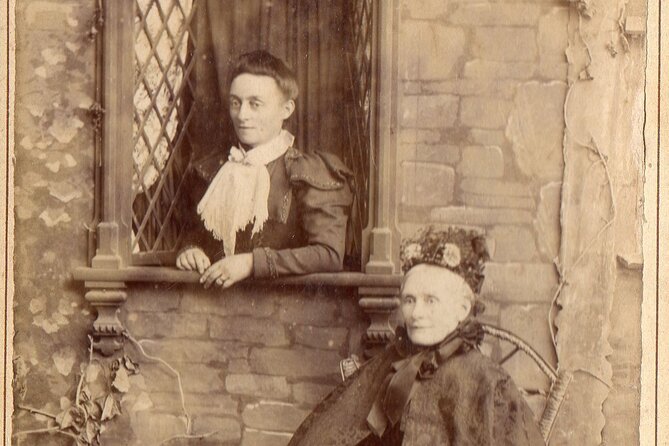
Jane’s role is more than driving. She explains island history, family connections, customs, and present-day life during the journey. The strongest praise for the tour centers on her friendly manner, preparation, and ability to make the day informative without making it stiff.
Her preparation is especially important. In one case, she had gathered information about the family names before pickup and used it to guide the day. That does not mean she can produce a complete family tree on short notice. It means your research is treated as the starting point for a real route.
You should give her as much accurate information as you have, but do not worry if your family notes are incomplete. The experience is designed around exploration. Sometimes the best result is not a confirmed grave, but a clearer idea of where to continue your research.
Jane also appears comfortable giving you space. At the House of Manannan, she let the group explore at its own pace. That balance is useful: you get a guide who can explain the island, but you are not forced into a constant stream of commentary.
Price, group size, and what the day is worth
The price is $550.44 per group of up to four people. For one person, that is a large outlay. For four people sharing the vehicle, it works out to about $137.61 each before lunch and any other personal costs.
The value depends on your goal. If you only want a general tour of the Isle of Man, a private ancestry tour may offer more research attention than you need. If you are trying to connect several relatives to specific churches, cemeteries, villages, or farms, the private format can save time and make the day far more focused than a standard group excursion.
You are also paying for advance preparation, a dedicated vehicle, pickup, and eight hours with Jane. Lunch is not included, so plan for that cost and ask about the day’s timing when arranging your route. No meal stop is specified, and a genealogy search may not follow a neat schedule.
The private format is the biggest value point. You can discuss your family openly, adjust the route, and spend longer at a meaningful grave or church without waiting for strangers. The cost is harder to justify if you are alone and have only a general interest in the island.
Practical details before you commit
Confirmation is provided at booking. Pickup can be arranged from a hotel, airport, or port, and the tour is offered in English. The vehicle is air-conditioned, which is helpful during a full day of island driving.
Service animals are allowed, and the experience is near public transportation. Most people can participate, although you should raise any personal mobility concerns before booking because the day can include cemeteries, churches, villages, and outdoor sites.
The tour is normally booked well ahead, with an average booking time of 72 days. That is a useful signal for planning, especially if your visit depends on ferry, airport, or cruise-port arrangements. Early booking also gives you more time to send family names and organize your records.
Free cancellation is available if you cancel at least 24 hours before the local start time. Cancellations or changes inside that period are not accepted for a refund.
Who should book the Isle of Man Ancestry Tour?
I would choose this experience if you have a real family connection to the Isle of Man and want to stand in the places behind your documents. It suits couples, families, and small groups of up to four who want a private day rather than a fixed sightseeing circuit.
It also works for someone with only a partial family tree. A surname and village may be enough for Jane to begin looking, though you should keep your expectations sensible. Genealogy can produce a confirmed headstone, but it can also lead to a churchyard, town street, or family area without a final answer.
I would think twice if your main aim is a low-cost overview of Douglas. The price makes more sense when the personal research is central. You should also accept that some sites may be closed, some graves may be hard to locate, and the final route will depend on what can be confirmed.
The tour has a 4.9 rating from 14 reviews, and all recorded ratings recommend it. That strong record matches the features that matter most here: Jane’s preparation, her easy company, and the chance to visit places you might not reach efficiently on your own.
FAQ
How long is the Isle of Man Ancestry Tour?
The tour lasts approximately eight hours and begins at 9:00 am.
Where does the tour begin?
The tour starts from Douglas, with pickup available from your hotel, the airport, or the port as requested.
How many people can join the private tour?
The price covers one private group of up to four people. Only your group participates.
What should I send before the tour?
You should send the names of your Manx ancestors before the tour so Jane can research the family information she can find and help shape the day.
What places can the tour include?
Possible stops include cemeteries, churches, ancestral farms and streets, Peel, the House of Manannan, St John’s Church, Tynwald Hill, Cregneash Village, Maughold, King Orry’s Grave, Snaefell, the northern tip of the island, and a view toward the Calf of Man.
Is lunch included?
No. Lunch is not included in the tour price.
Is the tour offered in English?
Yes. The experience is offered in English.
Can I cancel for a full refund?
Yes, if you cancel at least 24 hours before the experience start time. Cancellations or changes made less than 24 hours before the start time are not accepted for a refund.
Should you book it?
Book this tour if your family names mean something to you and you want help turning them into places you can see. Jane’s preparation, private vehicle, and willingness to mix cemetery research with churches, villages, museums, and island views give the day real purpose.
Skip it if you want the cheapest way to see Douglas or if you need a guaranteed genealogy result. For everyone else, this is a thoughtful way to connect personal family history with the Isle of Man itself, especially when shared by a small group who can appreciate each stop.
Recently added around England
- Brighton to Heathrow Airport private taxi transfers★ 5.0 · 8 reviews
- London’s Crown Secret: Self-Guided Royal Puzzle Quest★ 4.5 · 8 reviews
- The Condensed Canterbury Tour★ 5.0 · 8 reviews
- Postcard London★ 5.0 · 8 reviews
- Private Tour: Downton Abbey London Locations by Taxi★ 5.0 · 8 reviews
- Windsor Castle, Stonehenge & Roman Baths Private Tour★ 4.5 · 8 reviews
- CS Lewis & Tolkien Tour with Magdalen Entry Public tour 13.45★ 5.0 · 8 reviews
- Cotswolds Private Driving Tour from London★ 5.0 · 8 reviews
Isle of Man Tours, compared.
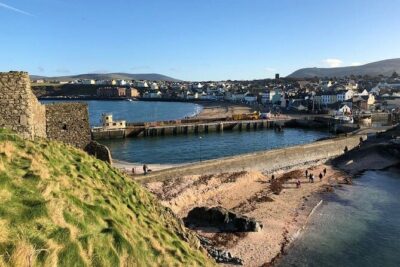
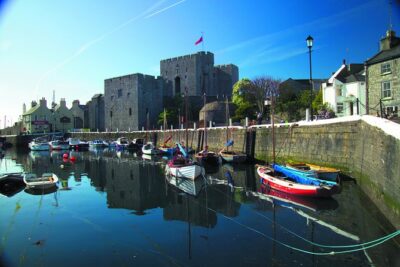
Southern Manxland Tour of Isle of Man 1-6 person upto 30 person
Read our review →
Half day private tours of the Isle of Man with a qualified Driver Guide
Read our review →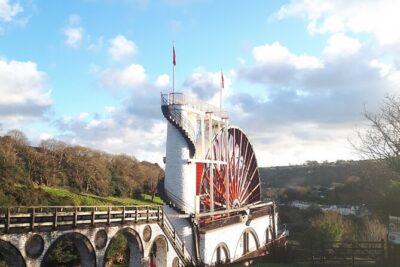
Full day Private Tour of the Isle of Man with experienced qualified driver guide
Read our review →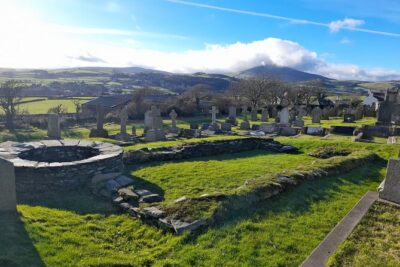
Full day tour of the Isle of Man with a qualified Isle of Man Tour Guide
Read our review →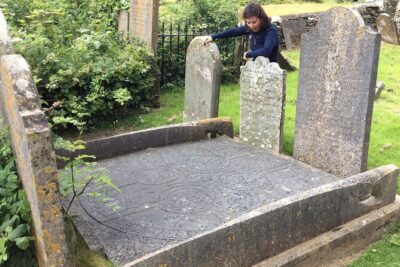
Browse the lists this tour appears in