
Reviewed · MUSEUMS
Lakeland Motor Museum Entry Ticket
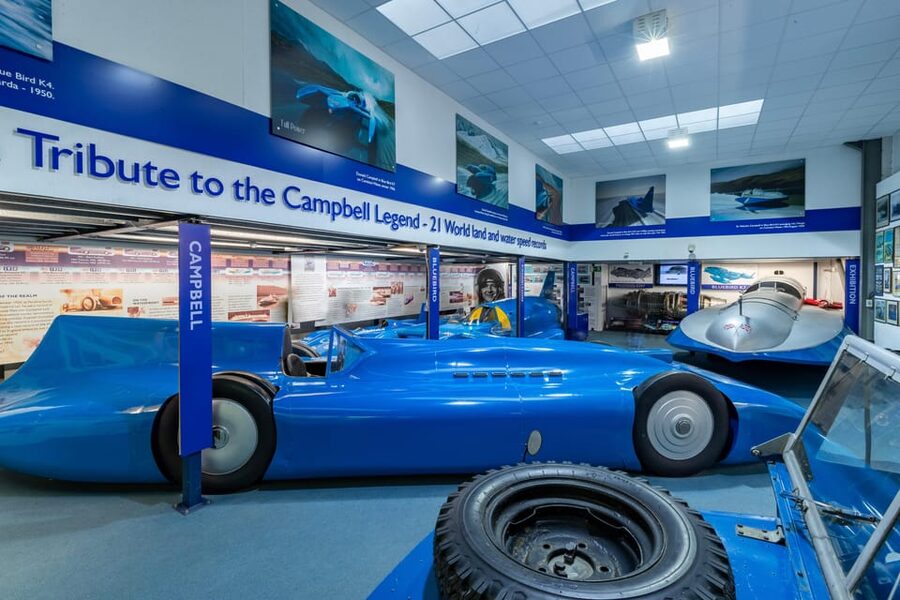
The Lakeland Motor Museum packs 30,000 exhibits into an indoor attraction near the southern tip of Lake Windermere. Its best-known display is the remarkable Bluebird exhibition, where the size of Donald Campbell’s famous car gives you a true wow moment. The collection reaches well beyond cars, with motorbikes, bicycles, rarities, and objects tied to everyday motoring.
I like the way the museum connects vehicles with social history, so you are not simply walking past polished machines. I also like the practical setting: free parking, a riverside cafe, and an indoor venue that works on a wet Lake District day. The main consideration is scale. The outside may look modest, yet the building holds a great deal, so you should allow time rather than treating this as a quick roadside stop.
Key points to know
- Thirty thousand exhibits: Explore a broad collection that includes cars, motorbikes, bicycles, and motoring-related rarities.
- One hundred and forty vehicles: The classic-car and motorbike displays provide the main focus for many visitors.
- Bluebird exhibition: See the huge Donald Campbell car and appreciate its extraordinary size at close range.
- Lake District location: The museum sits in the Leven Valley near the southern end of Lake Windermere.
- Useful in poor weather: The indoor displays, free parking, cafe, and gift shop make this a practical year-round visit.
Entering the Lakeland Motor Museum near Windermere
The museum sits in the Leven Valley, close to the southern tip of Lake Windermere. That location matters because it fits neatly into a day exploring the southern Lake District. You can pair the visit with time around Windermere, yet the museum also works on its own when rain puts a stop to outdoor plans.
You receive entry for one day, and free parking is included. At $16 per person, the price is reasonable if you have a real interest in transport, design, or local life. It becomes better value for families and mixed-age groups because the collection is not limited to one narrow type of vehicle.
The building can appear smaller from outside than you might expect. Once inside, you find a much larger collection than the frontage suggests. That contrast is useful to keep in mind: do not judge the visit by the first impression at the entrance.
More museums and galleries in England:
- Tower of London and Crown Jewels Exhibition Ticket
★ 4.5 · 6,677 reviews - Chelsea FC Stadium Tours and Museum
★ 5.0 · 1,908 reviews - Official tickets: Moco Modern & Contemporary Art Museum
★ 4.5 · 1,157 reviews
Why 140 cars and motorbikes are only part of the story
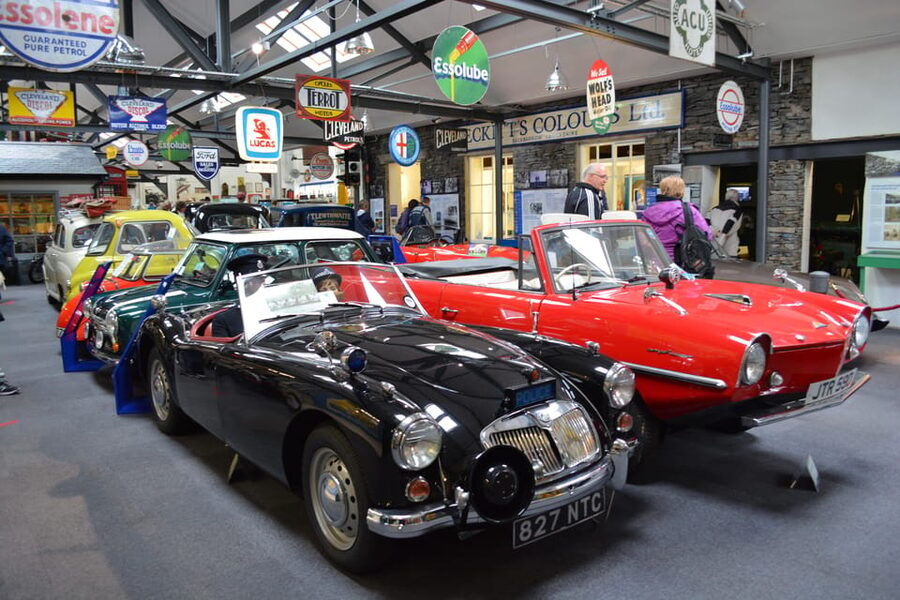
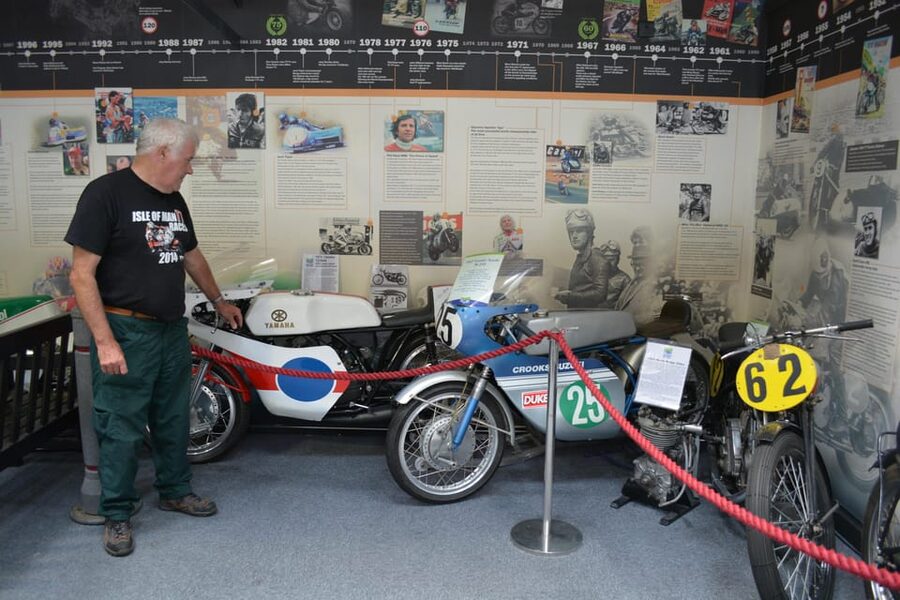
The headline collection includes 140 classic cars and motorbikes. These are the displays most likely to draw you in first, especially if you enjoy bodywork, engines, old advertising, or the changing look of British motoring.
The museum gives the collection a social setting rather than presenting each vehicle as an isolated object. That approach helps you think about how transport shaped ordinary routines, leisure, work, and personal memories. You may recognize a style of car from childhood, remember one owned by a relative, or simply notice how unfamiliar older vehicles can look beside modern cars.
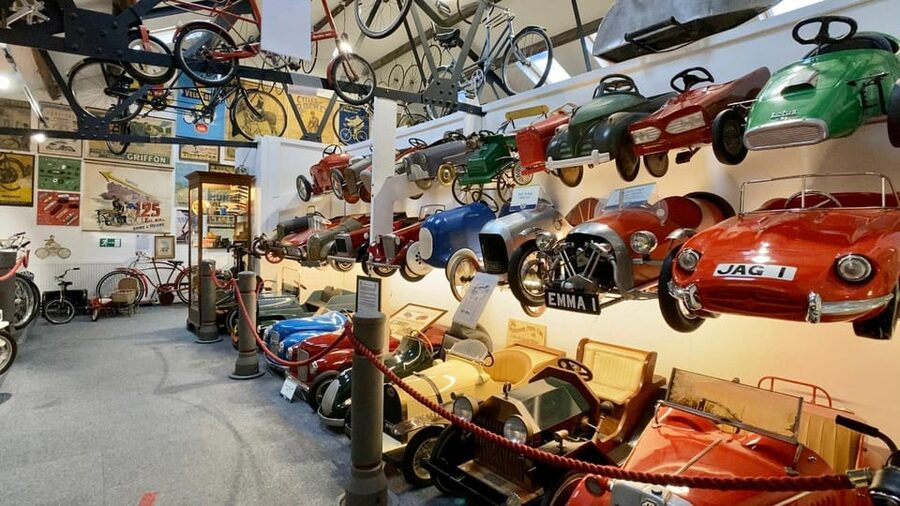
The range also includes bicycles and many other motoring exhibits. That broader selection keeps the visit from becoming a parade of expensive classic cars. You might spend time comparing the practical machines with the more unusual examples, then move toward displays that show the wider culture built around getting from one place to another.
This is especially helpful if you are visiting with someone who is not a dedicated car enthusiast. One person can focus on engines and design while another looks at the social objects and rarities around them. Children may respond to the size and shapes of the vehicles, while adults often connect the displays with family memories.
The Bluebird display and the Donald Campbell connection
The Bluebird exhibition is one of the clearest highlights. The enormous Donald Campbell car gives the display a strong visual impact. Even if you do not follow motor racing or land-speed records, the sheer size of the machine makes it easy to understand why it attracts attention.
A photograph cannot fully convey the scale of a vehicle like this. When you see it in person, its proportions become the story. The car looks less like an ordinary automobile and more like a piece of serious engineering built for a very specific purpose.
The Bluebird display also adds a useful point of contrast to the classic cars. Instead of viewing vehicles only as familiar road transport, you see how far design can move when speed and performance become the main goals. For many people, this will be the most memorable part of the museum.
Allow time here rather than rushing past it. The display is worth seeing even if your main reason for visiting is the broader collection. If you have limited time, make Bluebird one of your first priorities, then work through the other halls at a comfortable pace.
A collection designed for memories and curiosity
The museum’s social approach is one of its strongest features. You are encouraged to connect the objects with real life, not just admire their age or condition. That can make the visit feel more personal than a display arranged only by make, model, or year.
The collection includes rarities intended to awaken motoring memories. I would expect the experience to work particularly well for parents and grandparents introducing younger family members to the vehicles they once saw on the road. It also suits anyone who likes the small details of daily life: the kinds of machines people used, the styles they preferred, and the ways transport became part of family identity.
You should not expect every exhibit to be a famous headline vehicle. The appeal comes from the mix. A well-known car may catch your eye, followed by a motorbike, bicycle, or unusual object that you had not planned to see. That variety gives the museum a steady rhythm and helps prevent the visit from feeling repetitive.
The collection is also a good option for a mixed group. A serious enthusiast can inspect the vehicles closely, while a casual visitor can focus on the human stories and visual details. Since the attraction is indoors, everyone can move at their own pace without worrying about changing weather.
A few more England half days worth a look
- Thorpe Park Admission Ticket
★ 4.0 · 5,915 reviews - Alton Towers Resort 1 Day Admission Ticket
★ 3.5 · 5,501 reviews - The London Eye Entry Ticket
★ 4.0 · 3,498 reviews - London Eye Fast-Track Ticket
★ 4.5 · 3,456 reviews
Planning the visit as a full-day Lake District stop
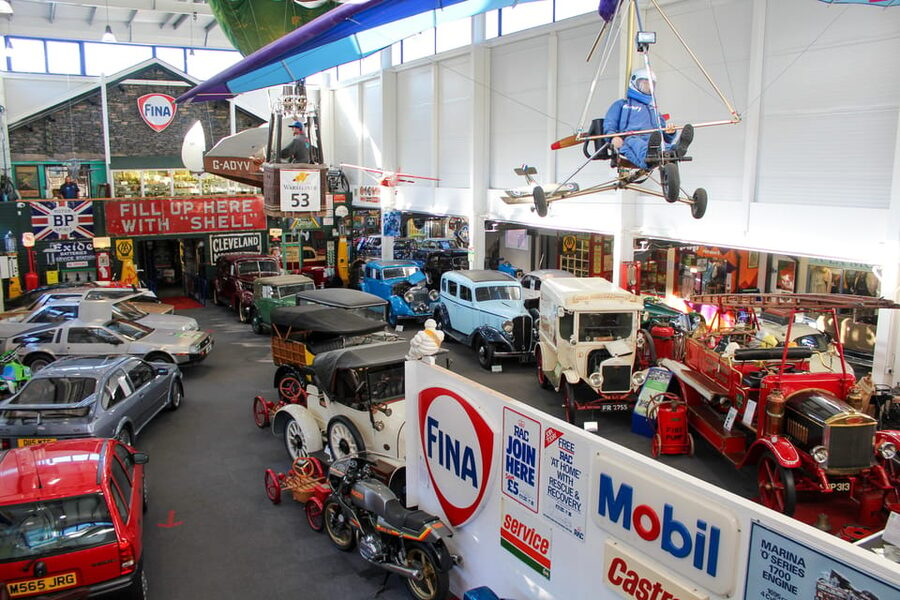
Your ticket is valid for one day, but that does not mean you need to spend every hour inside. The sensible plan is to allow enough time to see the principal displays without hurrying, then use the cafe or nearby Lake District sights to shape the rest of the day.
The museum is open seven days a week, which gives you flexibility when planning around a busy Cumbria itinerary. It can be especially useful on a rainy day, when outdoor walking loses some of its appeal. The attraction is promoted as a venue for all weather and all seasons, and the indoor collection supports that promise.
Free parking adds real value. You do not need to build a separate parking cost into the visit, and arriving by car is practical for a Lake District day out. The location near Lake Windermere also makes it easier to combine the museum with other stops in the area.
Food and drink are not included in the admission price. You can use the adjacent Cafe Ambio, which has a riverside setting, but you should treat any meal or refreshment as an extra cost. That separation is straightforward, and it lets you decide whether you want a short museum visit or a longer break beside the river.
Cafe Ambio and the riverside pause
The cafe gives the visit a useful change of pace. After looking at rows of vehicles and smaller exhibits, you can sit in a riverside setting rather than eating inside another display space. That makes the museum easier to use as a relaxed half-day or full-day outing.
Because food and drink are not part of the ticket, budget separately if you plan to eat there. The cafe is an added convenience, not a reason to assume everything is included. If you are watching costs, you will want to factor this in before arrival.
The riverside position also adds to the sense of place. You are not visiting an anonymous indoor collection far from the scenery that brought you to Cumbria. The museum fits into the surrounding valley, giving you a chance to combine transport displays with a quieter break outdoors.
The gift shop and practical extras
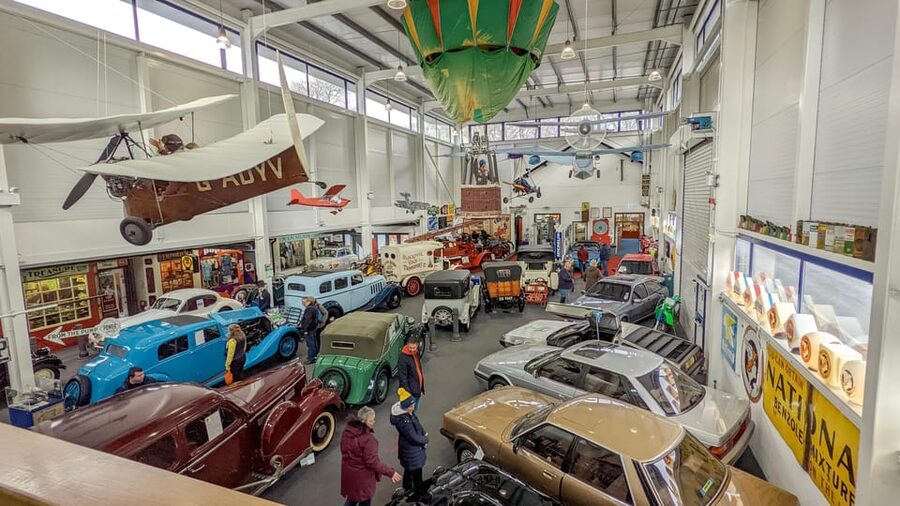
The welcoming gift shop is another useful stop before you leave. It is described as a good place to find presents, so it may suit you if you want a motoring-themed souvenir without buying a large or expensive item.
Free parking is included with admission, a small detail that improves the overall value. Wheelchair access is also available, which makes the museum more practical for a wider range of visitors. Since the attraction is indoors, you are not dependent on a particular weather window to enjoy the main displays.
The ticket provides entry to the museum only. Food and drink are separate, and the information supplied does not list any guided tour or named guide. You should therefore expect a self-directed museum visit, with the freedom to linger over the vehicles and exhibits that interest you most.
Is $16 good value for this museum?
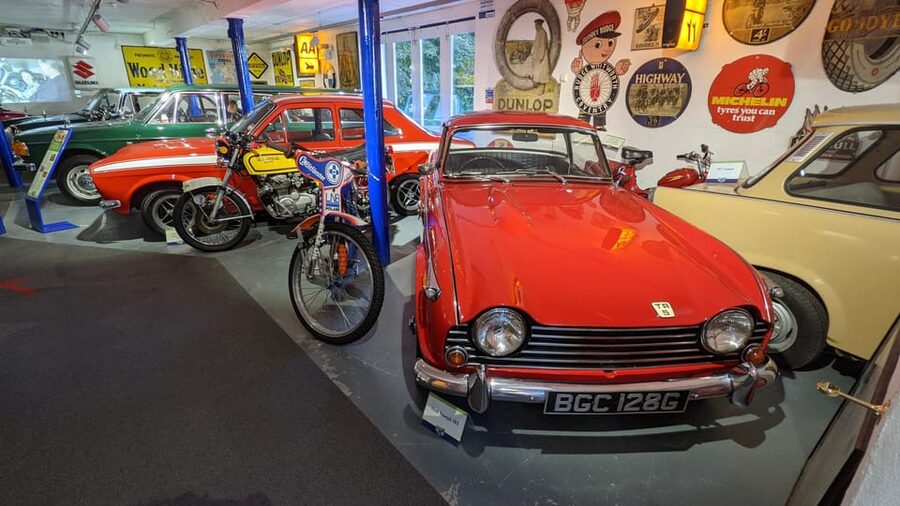
At $16 per person, the ticket is fairly priced for the amount on display. The strongest value comes from the breadth of the collection: 30,000 exhibits and 140 classic cars and motorbikes give you plenty to see beyond one headline vehicle.
The value is also helped by free parking and the one-day validity. You can take your time, use the cafe, and fit the museum around other plans instead of racing through a short timed attraction. For a family or group with different interests, the mixed collection gives the ticket more practical worth than a specialist display focused on one brand or period.
The price may feel less attractive if you only want a quick look at Bluebird. In that case, the museum asks you to pay for the full collection even if one exhibit is your main goal. I think the better approach is to treat Bluebird as the hook and the wider collection as the reason the ticket earns its keep.
Who will enjoy it most?
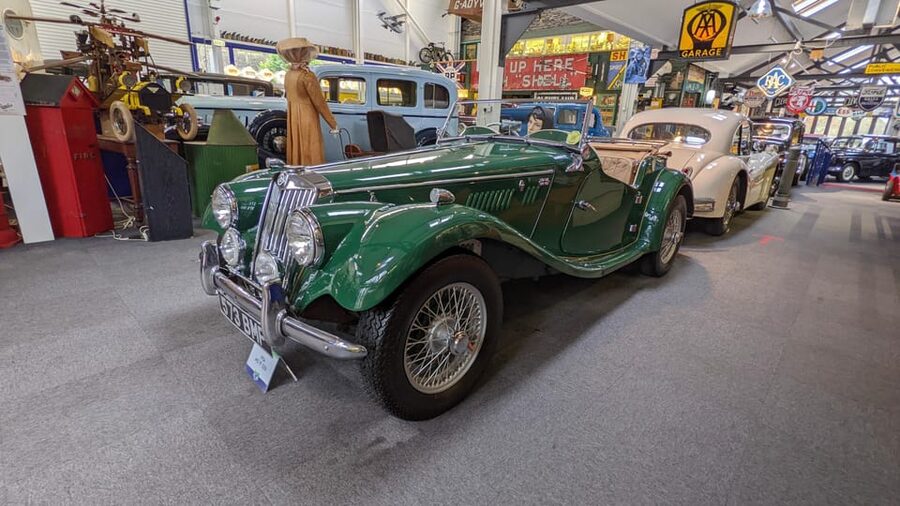
I would recommend the museum to classic-car fans, motorbike enthusiasts, families, and anyone who enjoys objects connected with everyday life. It is also a sensible choice for a rainy day near Windermere, when you want a substantial indoor attraction rather than a brief stop.
You do not need technical knowledge to enjoy the visit. The social setting and variety of objects give casual visitors enough to explore, while the 140 vehicles provide plenty for serious enthusiasts to inspect.
The museum may be less suitable if you want a guided experience, a short outdoor attraction, or a tightly themed exhibition. No guide information is provided, so you should plan on exploring independently. That freedom is a benefit for some people, but those who prefer a narrated tour may find the format quieter and less structured.
Booking flexibility and access
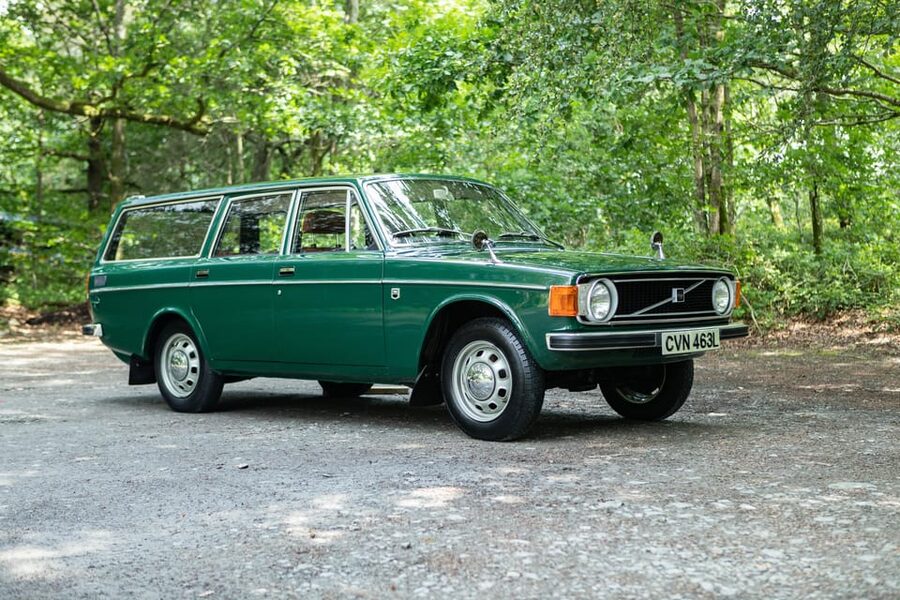
You can cancel up to 24 hours before the visit for a full refund, which is useful when Lake District weather or your wider plans are uncertain. A reserve-now, pay-later option is also available, allowing you to secure your plans without paying immediately.
The ticket is valid for one day, and you should check availability for the current starting times before booking. Wheelchair access is available. Since food and drink are not included, plan for the cafe as a separate purchase if you expect to stay for several hours.
Should you book the Lakeland Motor Museum?
Book it if you want a substantial indoor attraction near Lake Windermere, especially if classic vehicles, Bluebird, or transport history appeal to you. The combination of 30,000 exhibits, free parking, wheelchair access, and the riverside Cafe Ambio makes it easy to fit into a Lake District day.
I would not book it solely for a quick photo of one car. Give the wider collection a proper portion of your day, and the $16 admission makes good sense. For a wet-weather plan, a family outing, or a visit built around memories of old cars, this museum is a practical and worthwhile choice.
FAQ
Where is the Lakeland Motor Museum located?
The museum is in Cumbria, in the Leven Valley near the southern tip of Lake Windermere.
How much does entry cost?
The listed price is $16 per person.
How long is the ticket valid?
The ticket is valid for one day.
What is included in the ticket?
Entry to the museum and free parking are included.
Are food and drinks included?
No. Food and drinks are not included, but the adjacent Cafe Ambio provides a place to eat and drink.
Is the museum open every day?
Yes. The museum is open seven days a week.
Is the museum wheelchair accessible?
Yes. Wheelchair access is available.
Can I cancel my booking?
Yes. You can cancel up to 24 hours in advance for a full refund. A reserve-now, pay-later option is also available.
Recently added around England
- Brighton to Heathrow Airport private taxi transfers★ 5.0 · 8 reviews
- London’s Crown Secret: Self-Guided Royal Puzzle Quest★ 4.5 · 8 reviews
- The Condensed Canterbury Tour★ 5.0 · 8 reviews
- Postcard London★ 5.0 · 8 reviews
- Private Tour: Downton Abbey London Locations by Taxi★ 5.0 · 8 reviews
- Windsor Castle, Stonehenge & Roman Baths Private Tour★ 4.5 · 8 reviews
- CS Lewis & Tolkien Tour with Magdalen Entry Public tour 13.45★ 5.0 · 8 reviews
- Cotswolds Private Driving Tour from London★ 5.0 · 8 reviews
Museums, compared.

Tower of London and Crown Jewels Exhibition Ticket
Read our review →
Official tickets: Moco Modern & Contemporary Art Museum
Read our review →
British Museum London Guided Tour Semi-Private 8ppl Max
Read our review →
The British Museum London – Exclusive Guided Museum Tour
Read our review →

Skip the Line: Liverpool Beatles Museum – The perfect tribute to the Beatles
Read our review →Browse the lists this tour appears in