Reviewed · LONDON TOURS
London in the Swinging 60s – Private Tour
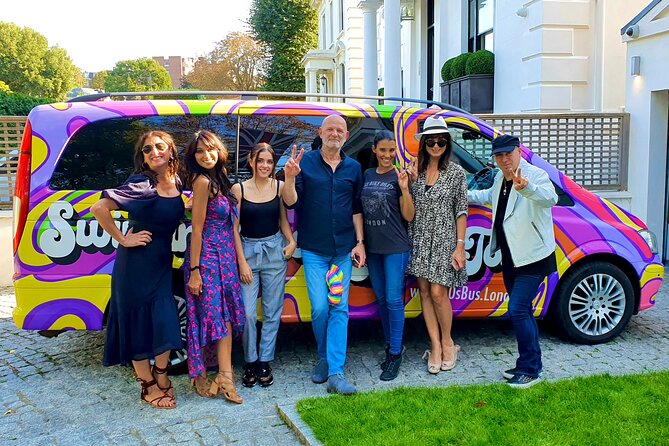
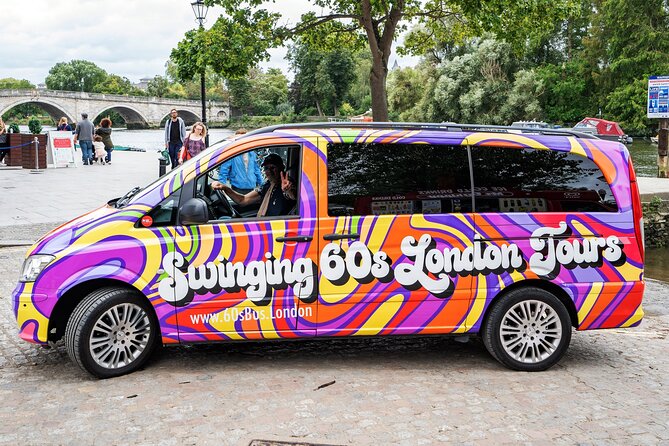
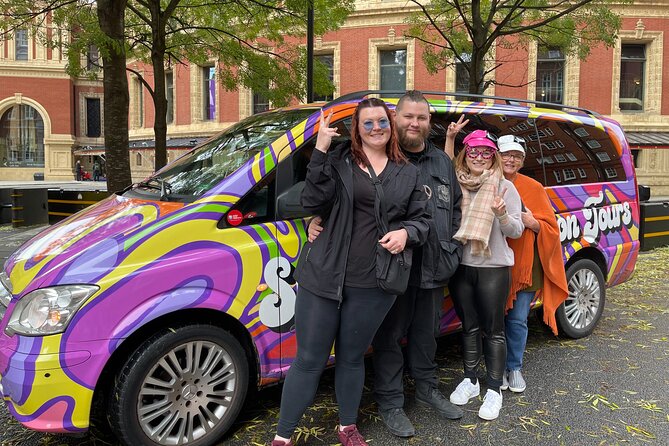
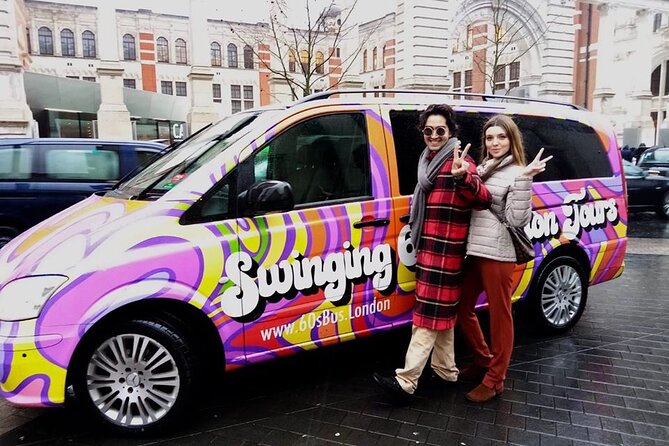
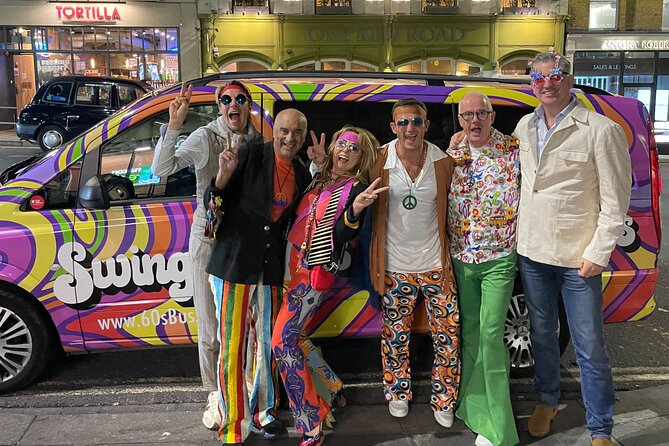
The best thing about this tour is its wonderfully specific view of London. You are not simply shown famous landmarks. You are taken to old flats, recording sites, boutiques, studios, and music rooms tied to the people who made the 1960s matter. The psychedelic minibus adds just the right bit of theatre.
I like the Chelsea and King’s Road focus, which keeps the tour rooted in the streets where fashion and rock music collided. I also like the guide-led storytelling, especially with Paul Endacott, whose personal, music-first approach has made this experience work for Beatles fans, Rolling Stones fans, families, and students. The main drawback is the short running time: 90 minutes gives you a sharp introduction, not a full study of Swinging London.
Key points at a glance
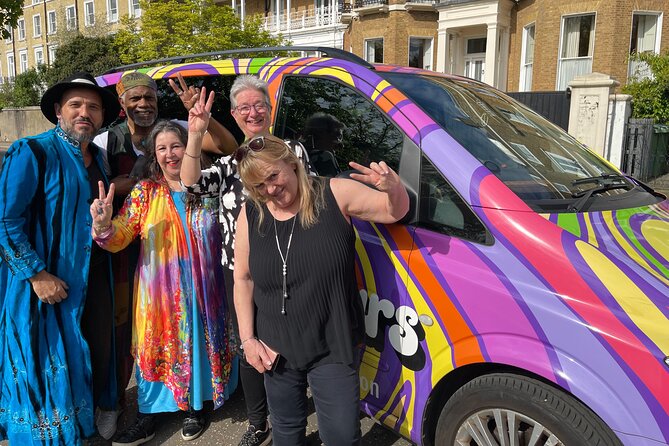
- Ride through the original Chelsea music district: Sloane Square, King’s Road, Cheyne Walk, and Edith Grove connect the story.
- See real musician addresses: The route includes places linked with Eric Clapton, Mick Jagger, Keith Richards, Brian Jones, and other 1960s figures.
- Stop at the Troubadour: You get 15 minutes inside a major London music venue associated with Paul Simon, Bob Dylan, Jimi Hendrix, and more.
- Hear more than Beatles stories: Fashion, recording studios, the Rolling Stones, Cream, Pink Floyd, The Who, and Cat Stevens all enter the picture.
- Private group format: The listed price is $397.75 for a group of up to six, giving your party its own tour.
- Best for music fans and mixed-age families: The content can connect with people who remember the era and younger visitors discovering it now.
Why the psychedelic minibus matters
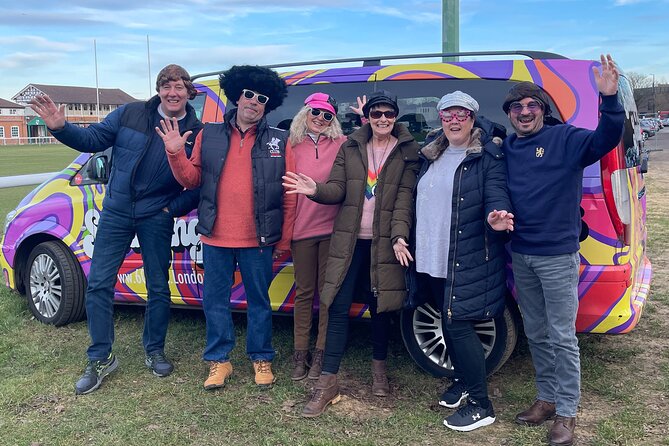
A standard sightseeing coach would miss the point. Swinging London was not one grand monument. It was a collection of streets, small clubs, rented flats, clothing shops, studios, and cafés. The psychedelic minibus helps set that mood before the first story begins.
The vehicle is part of the experience, but it is not the whole experience. You spend most of the tour moving between locations while your guide explains what happened there and why it mattered. The small format lets the ride feel more like a private music walk with wheels than a formal city bus tour.
The supplied information gives a maximum group size of eight, while the listed private price covers up to six people. That distinction is worth checking when you book. Either way, this is built for a small party, not a large coach crowd.
The tour begins at the Royal Court Theatre at Sloane Square at 11 a.m. It returns to the same meeting point after about 90 minutes. You should arrive ready to board rather than expecting a long walking tour. The stops are brief, with the Troubadour receiving the longest visit.
A few more London half days worth a look
- Stonehenge, Windsor Castle, and Bath from London
★ 4.5 · 18,662 reviews - London Big Bus Hop-On Hop-Off Tour with Optional River Cruise
★ 3.5 · 10,803 reviews - London Small Group Tour of Historical Pubs
★ 5.0 · 10,422 reviews
Sloane Square and the first London base
The opening stop at Sloane Square sets the scene with the hotel used by The Beatles as their first London base in the early 1960s. It is a small stop, listed at about two minutes, so do not expect an interior visit or a long photo session.
Its value is in the story. Before fame turned The Beatles into a global force, London was still a new stage for them. This location helps you picture that early moment when the band was moving from regional success into the capital’s music world.
The tour then points you toward the wider King’s Road area, described as the beating heart of Swinging London. That phrase covers more than pop music. It was where clothes, youth culture, clubs, and new attitudes met. The route is especially useful if you want to understand how music and fashion fed each other in the 1960s.
King’s Road, Mary Quant, and psychedelic fashion
The King’s Road section brings in the fashion side of the era. You learn about Mary Quant’s Bazaar, one of the key names connected with 1960s clothing, and Granny Takes A Trip, described as London’s first psychedelic boutique.
These places matter because Swinging London was not only about bands on a stage. It was also about changing silhouettes, bold colors, new shop interiors, and a younger crowd deciding what looked modern. A music tour that skips fashion gives you only half the picture. This one makes room for both.
The exact amount of time spent at each fashion site is not listed, so you should think of them as visual and storytelling stops rather than shopping visits. The tour is designed to show you where the scene happened and explain the people behind it. It is not a boutique shopping excursion.
The Pheasantry and Eric Clapton’s Chelsea
At The Pheasantry, the guide points out Eric Clapton’s former flat from his Cream years. The stop lasts about one minute, which tells you how the tour works: you see the location from the vehicle or nearby, then receive the story in a compact burst.
For serious rock fans, the address links Clapton to the Chelsea setting at a useful point in his career. For casual listeners, it adds a human scale to a musician who can otherwise feel like a distant name in a history book. This was once a home, not just a line in a discography.
The brief timing is also the limitation. You will not spend long exploring The Pheasantry itself. The appeal comes from collecting several small connections across the neighborhood.
A completely different sort of day out in London:
- Stonehenge, Windsor Castle and Bath with Pub Lunch in Lacock
★ 4.5 · 7,402 reviews - Tower of London and Crown Jewels Exhibition Ticket
★ 4.5 · 6,677 reviews - Thorpe Park Admission Ticket
★ 4.0 · 5,915 reviews - Stonehenge, Windsor Castle and Bath Full Day Guided Tour
★ 4.5 · 5,346 reviews
Old Church Street and the recording scene
Old Church Street gets a longer stop of about five minutes. Here you see Clapton’s current London home, along with a recording studio associated with Pink Floyd, Cat Stevens, The Who, and other 1960s names.
This is one of the tour’s more useful stops because it widens the story beyond performers’ homes. Recording studios were working rooms where songs were shaped, tested, and turned into records. A studio address can tell you something about the machinery behind the music, not only the stars in front of it.
The stop also shows how many musical paths crossed in the same part of London. You are not being asked to follow one band from start to finish. Instead, the guide builds a shared map of the decade, with different artists appearing at different points.
Cheyne Walk and the riverfront addresses
Cheyne Walk offers a different mood. Along the Thames, this is an exclusive stretch associated with homes of music figures. The stop lasts roughly three minutes.
The appeal here is atmospheric. After the shops and recording connections of King’s Road and Old Church Street, Cheyne Walk shows the more private side of celebrity life. You see the kind of setting where famous musicians lived, rather than only the clubs and studios where they worked.
Again, this is a sightseeing stop, not a house tour. You will not enter private residences, and admission is not included. The guide’s commentary is what makes the address meaningful.
Flood Street and the Sgt. Pepper photograph
Flood Street provides a particularly strong Beatles connection. The tour identifies the studio where the famous photograph for Sgt. Pepper’s Lonely Hearts Club Band was taken in 1967. The visit lasts about two minutes and admission is free.
For Beatles fans, this may be one of the most memorable locations on the route. The album cover is one of the best-known images in popular music, and seeing the place tied to its creation adds a physical detail to something usually encountered on a record sleeve or screen.
It is also a good example of the tour’s strength. You are not only shown concert venues. You are shown the spaces where a band’s public image was created. That helps explain why London in the 1960s was a cultural production center, not just a backdrop.
Edith Grove and the Rolling Stones’ beginnings
At Edith Grove, you see the home of Mick Jagger, Keith Richards, and Brian Jones in 1962, the year connected with the naming of the Rolling Stones. The stop lasts about two minutes and admission is free.
This is the kind of address that will especially please Stones fans. It points to the period before the group became polished, wealthy, and globally famous. The story begins in an ordinary residential setting, which makes the later scale of the band’s success feel even more striking.
The private format is helpful here. If your group has a strong interest in the Stones, you can ask follow-up questions and request more emphasis on them. One private booking was specifically shaped around the Rolling Stones, so the experience can work well for a family choosing one band as its main theme.
Fifteen minutes at the Troubadour
The Troubadour is the tour’s longest stop, with about 15 minutes inside. That extra time matters. Instead of simply pointing out a building, you get a chance to experience one of London’s key music venues as a place with its own atmosphere.
The venue is associated with Paul Simon, Bob Dylan, Jimi Hendrix, and many other musicians who played and spent time there during the 1960s. It is presented as little changed from that period, making it the closest thing on the route to a direct encounter with the old club scene.
This is likely the strongest stop for visitors who want more than addresses viewed through a vehicle window. You can pause, look around, and connect the guide’s stories with an actual music room. The tour does not include drinks, coffee, or tea, so any refreshments are your responsibility.
Paul Endacott’s guide style
Paul Endacott is the guide name most closely associated with this experience. The information supplied about his work points to an engaging host with extensive knowledge of 1960s music and fashion. He also leads other themed experiences focused on the Beatles, the Rolling Stones, and The Kinks.
His style appears to suit people who like stories, names, and connections rather than a dry list of dates. The strongest praise centers on his friendly manner, humor, choice of 1960s music, and ability to tailor the material to a group.
That last point is important. A private tour should not feel like a fixed speech delivered to strangers. If your party includes a devoted Beatles fan, a Stones collector, or someone interested in 1960s clothing, tell the provider in advance and ask how much the route can be shaped around that interest.
What the 90-minute format gives you
Ninety minutes is enough to cover a compact part of Chelsea and leave you with a useful set of names and places. It is not enough for long visits at every stop, extended walks, or detailed time inside multiple venues.
I would treat it as a focused introduction. You get a quick sequence of visual anchors, then you can return later to the streets or venues that caught your attention. The short format also fits neatly into a London day, especially if you do not want to spend half a day on a single music subject.
The tradeoff is pace. Several stops last only one or two minutes. If you need time for extensive photographs or prefer slow neighborhood exploration, you may find the experience rushed. If you enjoy a lively overview with plenty of stories packed into a short route, the timing works better.
Price, group size, and overall value
The listed price is $397.75 per group of up to six, rather than a per-person fare. For six people, that works out to about $66 per person. For two people, the effective cost is close to $199 each, so the value improves sharply as your group gets larger.
That makes this most attractive for families, friends, or a small study group sharing the booking. A private vehicle, professional guide, and a route built around music landmarks can justify the total for a group with a clear interest in the subject.
The tour includes taxes, fees, handling charges, and the guide. It does not include transport to Sloane Square, drinks, or food. Because the tour starts and ends at the Royal Court Theatre, you can pair it with other plans in central London, but you need to arrange your own way to the meeting point.
A current score of 5 out of 5 from 35 ratings, with 100 percent recommending it, suggests very strong satisfaction. I would still read that result in context: this is a specialist experience for people who already like the music, fashion, or social story of the 1960s. It is not intended as a general introduction to all of London.
Who should book this experience
I would recommend it to:
- Beatles, Rolling Stones, Cream, Pink Floyd, The Who, and Bob Dylan fans
- Families combining parents or grandparents with teenagers
- Visitors interested in 1960s fashion as well as music
- Students studying the British Invasion or popular culture
- Anyone who prefers a private guide to a large coach tour
- Birthday groups looking for a themed London outing
The multigenerational appeal is one of its best features. Older family members may remember the records and social changes firsthand, while younger people can see where the stories happened. The experience does not depend entirely on nostalgia, since the addresses and fashion history give newcomers a way into the subject.
The minimum age is nine. Most people can participate, and service animals are allowed. The tour is near public transportation, but the supplied information does not specify vehicle-access details, so contact the provider if your party has particular mobility needs.
Who may want a different London tour
You may want something else if you are seeking major monuments, long walks, or a broad survey of London history. This route stays closely tied to 1960s music and fashion, with much of the experience delivered from the minibus.
You should also be realistic about what visiting musician homes means. You will see locations connected with artists, but you will not enter private homes. Some stops are very short, and their value depends on the guide’s explanation.
Finally, the price may feel high for a couple compared with a standard group sightseeing trip. It makes more sense when shared among several people or booked for a special occasion.
Booking advice and cancellation terms
The tour starts at 11 a.m. at the Royal Court Theatre, 50 to 51 Sloane Square, London SW1W 8AS, and returns there. Confirmation is provided when you book, but availability must be confirmed before the card is charged.
You can cancel at least 24 hours before the local start time for a full refund. Cancellations or changes made inside that 24-hour window are not accepted and are not refunded. Plan your London schedule carefully, especially if your party is arranging rail travel or another timed attraction.
Should you book London in the Swinging 60s?
Book it if you want a compact, personal tour of the places behind the music and style of 1960s Chelsea. The Troubadour, the Beatles’ early hotel, the Sgt. Pepper photo studio, Edith Grove, and the Clapton connections give the 90-minute route plenty of substance.
I would especially choose it for a group of four to six people, since the shared price becomes more reasonable. Tell Paul or the provider which artists matter most to you, and expect a lively overview rather than a slow architectural tour.
Skip it if your interest in 1960s music is slight, or if you want to spend a long time inside each location. For the right audience, though, this is a lively way to connect London streets with the people, clothes, and sounds that changed popular culture.
FAQ
Where does the tour start and finish?
It starts at the Royal Court Theatre, 50 to 51 Sloane Square, London SW1W 8AS. The tour ends back at the same meeting point.
What time does the tour begin?
The published start time is 11 a.m.
How long does the experience last?
The tour lasts approximately 1 hour and 30 minutes.
How many people can join the private tour?
The activity is private, so only your group participates. The listed price covers a group of up to six, while the tour information gives a maximum group size of eight. Confirm the exact capacity when booking.
What is included in the price?
The price includes a professional guide plus all taxes, fees, and handling charges. The Troubadour admission is included where specified.
What is the cancellation policy?
You can cancel at least 24 hours before the local start time for a full refund. Cancellations or changes made less than 24 hours before the start are not accepted and are not refunded.
Recently added around London
- London’s Crown Secret: Self-Guided Royal Puzzle Quest★ 4.5 · 8 reviews
- Postcard London★ 5.0 · 8 reviews
- Windsor Castle, Stonehenge & Roman Baths Private Tour★ 4.5 · 8 reviews
- Private Tour: Downton Abbey London Locations by Taxi★ 5.0 · 8 reviews
- Cotswolds Private Driving Tour from London★ 5.0 · 8 reviews
- Skip-the-line London Westminster Abbey and City of Westminster Kid-Friendly Tour★ 5.0 · 8 reviews
- A Silent Disco Adventure in London★ 5.0 · 8 reviews
- Private Full Day Cotswolds Tour From London★ 5.0 · 8 reviews
London Tours, compared.
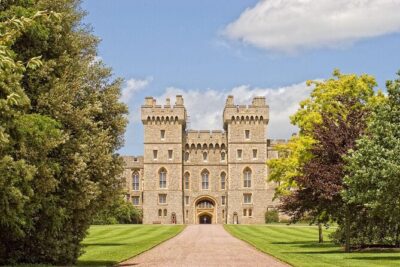
Stonehenge, Windsor Castle, and Bath from London
Read our review →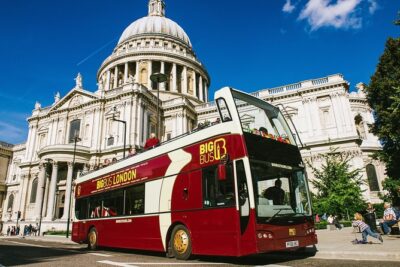
London Big Bus Hop-On Hop-Off Tour with Optional River Cruise
Read our review →
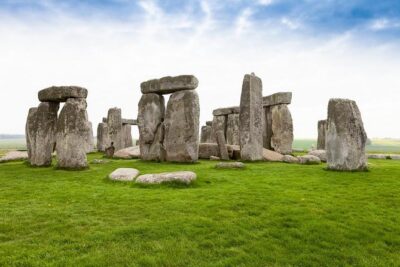
Stonehenge, Windsor Castle and Bath with Pub Lunch in Lacock
Read our review →
Tower of London and Crown Jewels Exhibition Ticket
Read our review →
Stonehenge, Windsor Castle and Bath Full Day Guided Tour
Read our review →
Windsor Castle, Stonehenge, and Oxford Day Trip from London
Read our review →