
Reviewed · HISTORICAL TOURS
2-Hour Private LGBTQ+ History Tour of London with a Licensed Guide
London’s LGBTQ+ story comes alive in Bloomsbury, where two hours can take you from free-loving artists and lesbian medical pioneers to Victorian cross-dressing and the city’s old secret language, Polari. This is not a general London walk with a brief nod to queer history. The whole route is built around it.
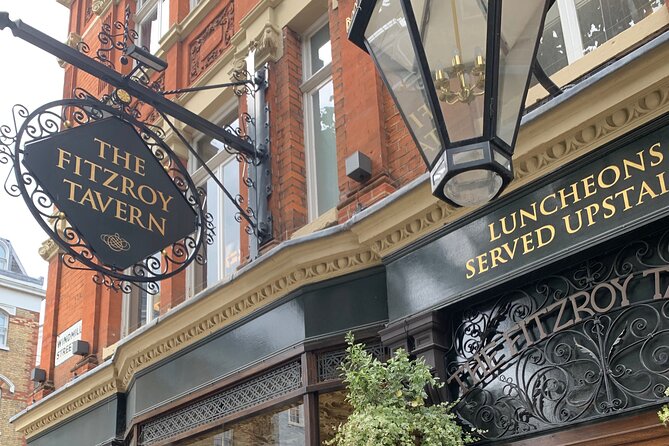
I like the private format, especially for a family, workplace Pride group, or circle of friends that wants to ask questions without holding up strangers. I also like the strong finish at the Fitzroy Tavern, a historic pub near Goodge Street and Tottenham Court Road stations. The main consideration is weather: it is an outdoor walking tour, and rain can make the two-hour route less comfortable.
Key points to know before you book
- Bloomsbury from the 18th century onward: Follow LGBTQ+ stories through artists, writers, doctors, philosophers, Victorians, and campaigners.
- Ric Morris leads the walk: He is the named guide, and the tour is delivered in English.
- A true private tour: Your group alone takes part, with space for up to 15 people.
- Polari is part of the fun: Learn about the secret language once associated with London’s gay communities.
- A practical central London finish: The route ends at Fitzroy Tavern, close to two Tube stations.
- Good group value: The $452.52 price is per group, which works out to about $30 per person for a full party of 15.
Why Bloomsbury is the right place for this story
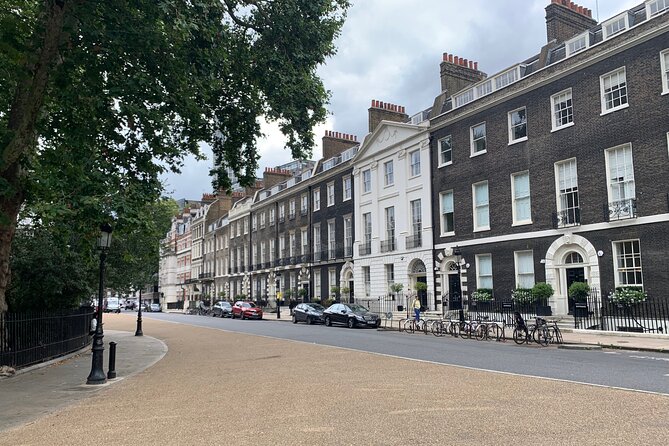
Bloomsbury is a particularly useful setting for an LGBTQ+ history walk because its story is not confined to one era or one type of person. The route reaches from the 18th century to the present, showing how queer lives appeared in art, medicine, philosophy, literature, language, and everyday social spaces.
That range matters. You are not simply moving from one famous plaque to another. You are looking at the different ways LGBTQ+ people made room for themselves in London, sometimes openly and sometimes through coded speech, private friendships, creative circles, or places where social rules loosened.
The walk also gives you a better sense of how history is built. Some stories concern well-known intellectual and artistic figures. Others focus on people who changed medicine, challenged ideas about love, or found ways to live outside the expected rules of gender. I find that mix more useful than a tour built only around famous names.
You should expect a history walk rather than a sightseeing tour with grand interiors or paid attractions. The advertised admission cost is free because the value comes from Ric’s guiding, storytelling, and the places connected with the route. Wear shoes suited to city walking and plan for the fact that the entire experience lasts about two hours.
More History Tours in London
- London Small Group Tour of Historical Pubs
★ 5.0 · 10,422 reviews - Soho Music & Historic Pubs Tour
★ 5.0 · 1,993 reviews - Royal Historic Pubs Walking Guided Tour in London
★ 5.0 · 803 reviews
Artists, doctors, and a different kind of London
One part of the walk examines a free-loving group of artists. This is a chance to see Bloomsbury through the people who challenged conventional ideas about relationships, creativity, and private life. The phrase free-loving points toward a social world that did not fit neatly into the period’s usual expectations.
You will also hear about lesbian pioneers in women’s medicine. That subject gives the tour a practical edge. LGBTQ+ history is not only about romance, nightlife, or literature. It also includes women who built professional lives and contributed to medical work at a time when access to education and careers was tightly controlled.
For me, this is one of the route’s strongest features. It connects personal identity with public work. You learn not just how people were treated, but what they did, what they created, and how they changed the institutions around them.
The story also includes the philosopher who first defended same-sex love. That detail places changing ideas about sexuality into a wider intellectual setting. It helps explain that arguments for same-sex love did not suddenly appear in the modern era. People were questioning accepted ideas long before today’s language for LGBTQ+ identity existed.
Because the route covers several centuries, you should not expect every subject to receive a long lecture. A two-hour walk has limits. The reward is breadth, with enough detail to show why each story belongs in the same larger picture.
An 18th-century queer space in the city
The tour points out an 18th-century space described as queer. That is an important part of the route because it shifts attention from individual figures to gathering places. People need somewhere to meet, exchange news, find companionship, and recognize one another.
A place like this also helps you picture the practical side of queer life in historical London. Social spaces could offer freedom, but they could also carry risk. The walk does not present LGBTQ+ history as a steady march toward progress. Instead, it shows a city where visibility, discretion, friendship, and coded behavior all mattered.
This is where the setting becomes especially useful. You are walking through the same central London district while considering how its streets served different communities at different times. You may look at ordinary buildings and pass familiar corners, but the guide gives them a different meaning.
The route is best suited to people who enjoy connecting places with stories. If you prefer a tour built around entering museums or historic houses, this will feel more modest. If you like learning why a neighborhood matters, the walking format works well.
Victorian gender, early surgery, and changing language
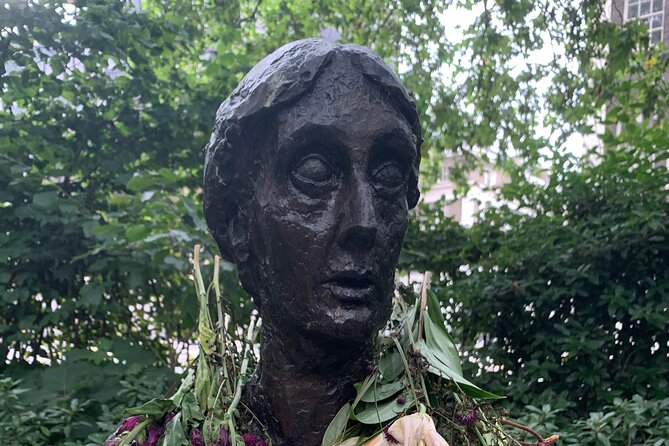
Another major subject is Victorian cross-dressing. The topic opens up questions about gender presentation, public behavior, and the rules placed on people’s clothing and bodies. It also gives you a way to think about gender history beyond modern labels.
The walk then reaches the first gender affirmation surgeries. This is a serious and historically important subject, and it adds a medical dimension to the story. It shows that people have sought ways to live more comfortably in their bodies and express their gender for far longer than many standard city tours suggest.
The wording of the tour promises an introduction to these early procedures rather than a medical seminar. You should expect the guide to place them in historical context, alongside the social and medical ideas of the time. The subject may be especially valuable if you want a tour that includes trans history rather than treating LGBTQ+ history as mainly gay and lesbian history.
Polari brings a lighter, more playful note. You will learn about London’s secret gay language, a form of coded speech that helped people identify one another and speak with some privacy. Learning a few words gives you a small, memorable tool to carry away from the walk.
It also demonstrates how language can protect a community. A secret vocabulary is not just a curiosity. It reflects the need for discretion, the pleasure of shared knowledge, and the ability to create a social world within a larger one.
A completely different sort of day out in London:
- Stonehenge, Windsor Castle, and Bath from London
★ 4.5 · 18,662 reviews - London Big Bus Hop-On Hop-Off Tour with Optional River Cruise
★ 3.5 · 10,803 reviews - Stonehenge, Windsor Castle and Bath with Pub Lunch in Lacock
★ 4.5 · 7,402 reviews - Tower of London and Crown Jewels Exhibition Ticket
★ 4.5 · 6,677 reviews
Literature, bookshops, and the modern Bloomsbury story
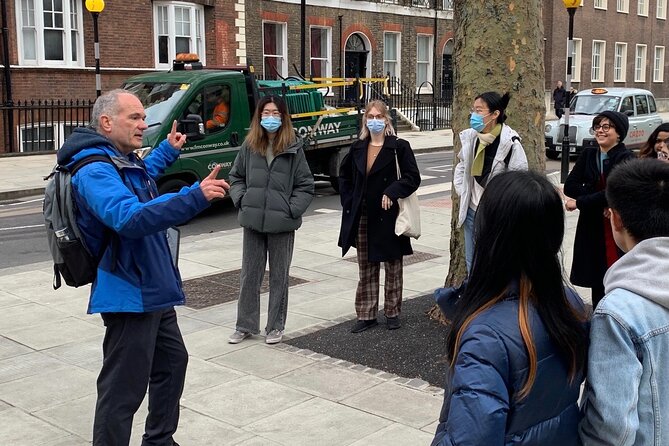
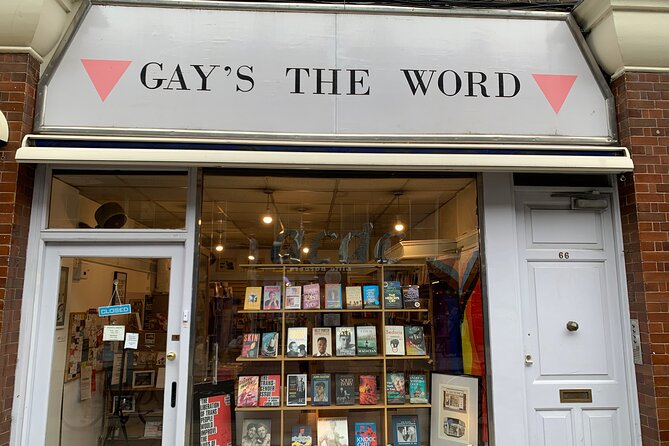
The itinerary includes a landmark lesbian novel and London’s best-loved LGBTQ+ bookshop. These details bring the route closer to modern cultural life and show how literature can give people language for experiences that society has ignored or pushed aside.
A bookshop is a particularly fitting stop on a tour like this. It represents access to stories, community, and self-understanding. Even if your visit is brief, the idea connects the older parts of the walk with the continuing need for LGBTQ+ writing and gathering places.
The literary material also balances the tour’s medical and social history. You move from artists and philosophers to doctors, gender history, novels, and bookselling. That variety is what makes the route feel like a portrait of a community rather than a timeline of laws and famous dates.
You should keep your expectations practical. The information provided does not promise time to browse inside the bookshop or a book included in the price. Think of it as a historical point on the walk, not a dedicated shopping stop.
A private format that suits groups
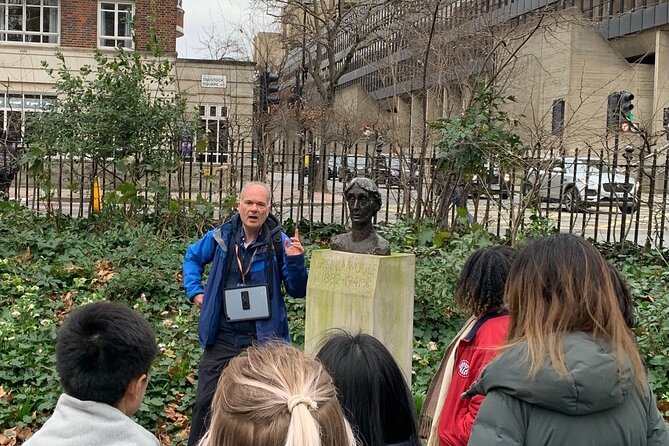
This is a private activity for your group only, with space for up to 15 people. That changes the feel of the experience in useful ways. You can ask questions about a particular period, return to a subject that interests your group, or let Ric adjust the pace without worrying about a large public crowd.
The format also suits workplace groups. A Pride Network took 12 people on the walk for LGBT+ History Month, and the size was large enough for a team outing while still remaining within the private group limit. That makes the tour a possible choice for staff learning, a cultural afternoon, or a group visit connected to inclusion work.
Families and friends may also appreciate the privacy. LGBTQ+ history can lead to personal questions, and a private setting gives you more room to talk openly. It can also make the two hours feel less formal than a lecture.
There is one trade-off. The $452.52 price is not especially attractive for one or two people. For a full group of 15, it comes to roughly $30 each, which is reasonable for a private, guide-led two-hour experience in central London. For six people, it is about $75 each, and for a couple it is more than $226 each. The value improves sharply as your group gets larger.
Starting at Bernard Street at 2pm
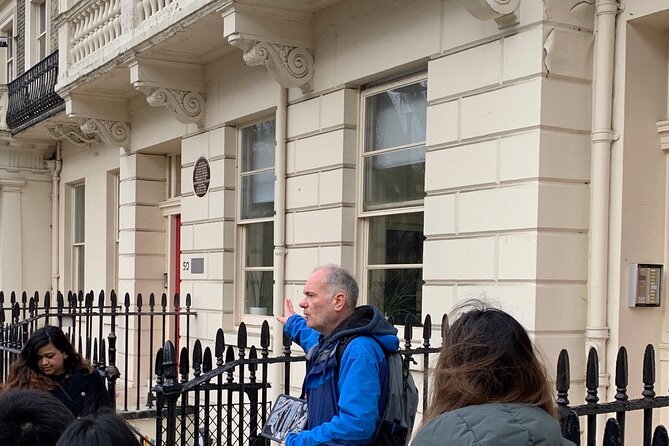
The meeting point is 10 Bernard Street, London WC1N 1LT, and the scheduled start is 2pm. Give yourself time to reach the address. The tour is in central London and near public transportation, but the provided details do not identify a specific Tube station for the starting point.
A 2pm beginning makes this easy to add to a morning museum visit or an early lunch. It also means you should avoid planning a tightly timed attraction immediately afterward. The walk lasts approximately two hours, and city tours can run close to their stated duration.
The route begins in Bloomsbury, so the opening section sets the neighborhood in its historical context. From there, Ric leads the group through the area’s LGBTQ+ stories rather than taking you on a broad survey of London.
Because the meeting point is outdoors, arrive ready to walk. Service animals are allowed, and most people can take part, but the available details do not specify the exact distance, number of stairs, or seating along the way. If anyone in your party has particular mobility needs, ask about the route before booking.
Finishing at Fitzroy Tavern
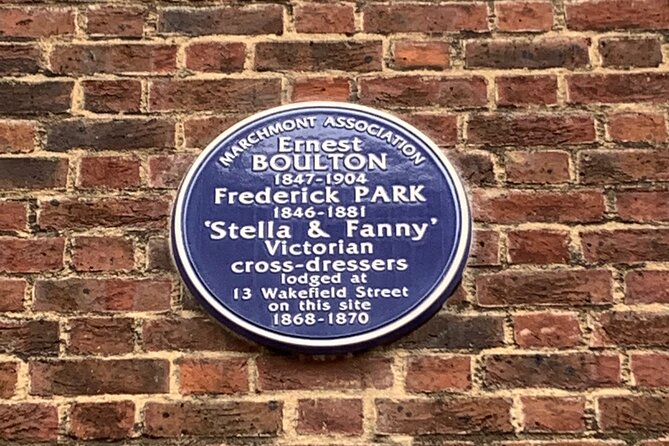
The final stop is Fitzroy Tavern at 16 Charlotte Street, London W1T 2LY. You can stop there for refreshments, making the pub a useful place to pause after the walk rather than simply a final address on a map.
This ending fits the subject well. Historic pubs and social spaces have long been important places for meeting, talking, and finding community. The tour’s finish gives you a chance to continue the conversation in a relaxed setting, although any food or drink would be your own expense.
The location is also practical for the rest of your day. Goodge Street and Tottenham Court Road Tube stations are a short walk away. That makes it easy to continue toward another part of London without retracing the route to the beginning.
If you are meeting friends afterward, the pub finish is convenient. If you have a timed theater booking or dinner reservation, allow extra time beyond the two-hour estimate. The tour ends at the pub, but your group may want to stay for refreshments.
Ric Morris and the tone of the tour
Ric Morris is the named guide, and the experience is offered in English. The most important quality to look for here is his ability to connect a long list of subjects into one clear story: artists, women in medicine, philosophy, queer social spaces, Victorian gender, medical history, literature, bookshops, and Polari.
The available feedback describes Ric as friendly, entertaining, and well paced. One workplace group took the tour in intense rain, yet the guide kept the mood up while explaining the Bloomsbury Group and wider LGBTQ+ history. That is useful information for anyone visiting London outside the dry summer months.
Still, rain remains a real consideration. A guide can keep the conversation lively, but wet streets and umbrellas change the experience. Check the forecast, wear waterproof clothing if needed, and avoid assuming that the pub finish removes the need for outdoor gear.
The pacing sounds designed for a general audience rather than a specialist seminar. You will get a broad, connected account in two hours. If you already have advanced academic knowledge of one narrow topic, you may want to use the private format to ask questions and steer the conversation toward your interests.
How this compares with a standard London tour
A usual London sightseeing walk might pass through Bloomsbury while focusing on architecture, famous residents, or literary landmarks. This tour gives you a different reason to look at the district. Its subject is not an extra theme added to a standard route. It determines the route from beginning to end.
That makes it a strong choice for repeat visitors who have already seen the main sights. It is also useful for anyone who wants London history to include people and identities often left out of general guidebooks.
The route’s range is its main strength. You will hear about the 18th century, Victorians, early gender affirmation surgery, a lesbian novel, and a modern LGBTQ+ bookshop. The drawback is that two hours cannot give equal weight to all of these subjects.
I would book it for the quality of the overall connection rather than for one single stop. If your only interest is Polari, for example, a two-hour walking tour may be more than you need. If you want to understand how queer lives, ideas, institutions, and meeting places shaped Bloomsbury over time, the format makes sense.
Booking, cancellation, and who should choose it
You receive confirmation when booking in most cases. If you book within nine days of the tour, confirmation may arrive within 48 hours and remains subject to availability. Free cancellation is available up to 24 hours before the 2pm start time for a full refund. Changes or cancellations made inside that 24-hour window are not accepted for a refund.
I would recommend this tour to:
- A private group of friends or family members interested in LGBTQ+ history
- Workplace Pride Networks and inclusion groups
- Repeat London visitors seeking a subject-focused walk
- Readers, students, and history fans interested in literature, medicine, gender, and social life
- Groups that prefer discussion and storytelling to a large scheduled tour
I would think twice if you are traveling alone or as a couple and do not want to spend a high per-person price. I would also reconsider if you need an indoor experience, a route with confirmed step-free details, or a tour longer than two hours.
Should you book the Bloomsbury LGBTQ+ history tour?
Book it if you want a focused, private look at London’s LGBTQ+ past and can gather a reasonably sized group. The route brings together subjects that standard sightseeing often leaves out, from lesbian medicine and same-sex love to Victorian gender expression, early surgery, queer language, and LGBTQ+ books.
The value is strongest at 10 to 15 people, where the group price becomes much more manageable. Ric Morris’s friendly pacing is another reason to choose it, especially if your group wants an approachable guide rather than a formal lecture.
Skip it if your priority is entering attractions, shopping, or seeing a long list of major London landmarks. This is a two-hour outdoor history walk through Bloomsbury, with a pub at the end. For the right group, that is exactly the point.
FAQ
Where does the tour start?
The tour starts at 10 Bernard Street, London WC1N 1LT, UK.
What time does the tour begin?
The scheduled start time is 2pm.
Where does the tour end?
It ends at Fitzroy Tavern, 16 Charlotte Street, London W1T 2LY.
How long does the tour last?
The walking experience lasts approximately two hours.
How many people can join the private tour?
The price covers one private group of up to 15 people. Only your group participates.
What language is the tour offered in?
The tour is offered in English.
Can I cancel for a full refund?
Yes. You can cancel at least 24 hours before the experience start time for a full refund. Cancellations and changes made less than 24 hours before the start are not accepted for a refund.
More LGBTQ-Friendly in London
- LGBTQ History Tour in Brighton (semi-private)
★ 5.0 · 10 reviews
More two hour outings in London
- 2-Hour Jack the Ripper Small Group Walking Tour in London
★ 4.5 · 160 reviews - London Essential 2 hour introductory Walking Tour With a Londoner
★ 5.0 · 125 reviews - Twinings 2-Hour Tea Tasting Masterclass in London
★ 5.0 · 105 reviews - 2 Hour Walking Tour from Buckingham Palace to Big Ben
★ 5.0 · 32 reviews
Recently added around London
- London’s Crown Secret: Self-Guided Royal Puzzle Quest★ 4.5 · 8 reviews
- Postcard London★ 5.0 · 8 reviews
- Private Tour: Downton Abbey London Locations by Taxi★ 5.0 · 8 reviews
- Windsor Castle, Stonehenge & Roman Baths Private Tour★ 4.5 · 8 reviews
- Cotswolds Private Driving Tour from London★ 5.0 · 8 reviews
- A Silent Disco Adventure in London★ 5.0 · 8 reviews
- Skip-the-line London Westminster Abbey and City of Westminster Kid-Friendly Tour★ 5.0 · 8 reviews
- Gangster Tour of Soho★ 4.5 · 8 reviews
Historical Tours, compared.

Shadows of York: Ghost Walk and Horrible History.
Read our review →
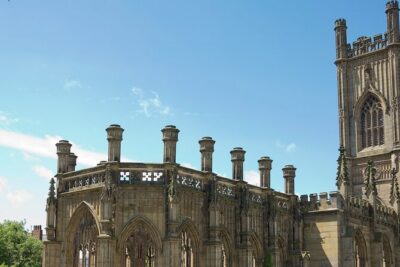
A Walk Through Time: History of Liverpool Walking Tour
Read our review →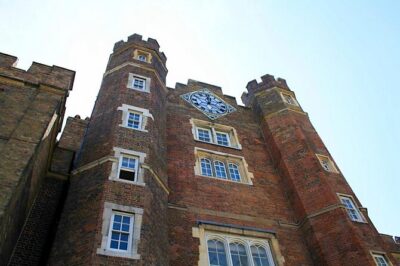
Royal Historic Pubs Walking Guided Tour in London
Read our review →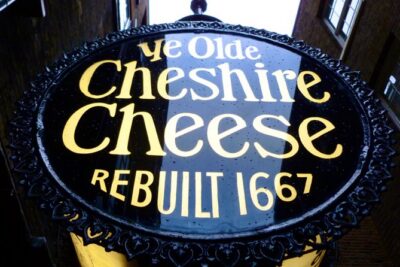
Private Group: Historical Pub Walking Tour of London
Read our review →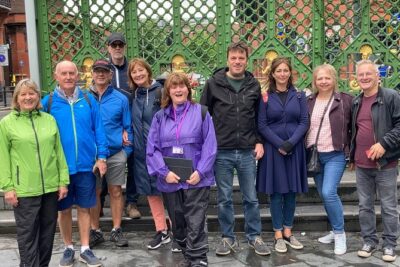
Best Of Liverpool Heritage, History & Culture Guided Walking Tour
Read our review →Browse the lists this tour appears in