Reviewed · LONDON TOURS
5-Day Heart of England, Wales & Yorkshire Small-Group Tour from London
The most appealing thing about this five-day tour is its sweep: you move from Shakespeare’s Tudor town to a Welsh medieval fortress, mountain roads, Chatsworth House, York, Lincoln, and Cambridge without arranging trains, hotels, or rural connections yourself. I like the small 16-person format and the chance to sleep two nights in both Shrewsbury or Chester and York, rather than changing rooms every night.
I also like the mix of guided travel and free time. You get background from a driver-guide such as Ambrose, Russell, Steve, or Peter, then decide how to spend your hours in Stratford, York, or Cambridge. The main drawback is the pace: five days cover a lot of ground, and some days put you in the minicoach for long stretches.
Key points to know before booking
- Shakespeare to Snowdonia in one route: Stratford-upon-Avon, Ironbridge, Shrewsbury, Conwy, and Eryri National Park form the first half of the trip.
- A small Mercedes minicoach: The maximum group size is 16, making country roads and smaller towns easier than they would be by full-size coach.
- Two useful two-night bases: You spend two nights around Shrewsbury or Chester, then two nights in York.
- Chatsworth gets real time: The planned visit runs from 1pm to 4pm, though you pay the house admission separately.
- York gives you a choice: Stay in the city for medieval streets, museums, and York Minster, or join a half-day trip into the Yorkshire Dales.
- Pack light and walk easily: The luggage limit is 20 kilograms, and B&Bs may sit 20 to 30 minutes from pubs and restaurants.
Why this five-day route works
I see this as a sampler of central and northern England with a generous Welsh detour. It is not a slow country holiday. You are changing regions often, but the route makes sense: literary Stratford, industrial Ironbridge, border country, North Wales, the Peak District, Yorkshire, Lincoln, and Cambridge.
The price is listed at $1,403.62 per person. That is not cheap, but it covers four nights with breakfast, the driver-guide, the minicoach, and Conwy Castle admission. You still pay for lunches, dinners, and most major attractions, including Chatsworth House and optional sights in York and Cambridge.
I would compare the price with five days of separate train tickets, rural buses, hotels, and taxis. The value improves if you want rural scenery and smaller towns. It is less compelling if you prefer to linger in one city or already feel comfortable arranging English transport yourself.
The 16-seat Mercedes minicoach is central to the experience. It has three steps, each about 150 millimeters high, with grab handles and non-slip treads. There is no toilet, but regular stops are built into the days. The vehicle is not wheelchair accessible, though a folding wheelchair or walking frame can be stored if you can board independently or with help from your companion.
More five day trips in London:
- 5-Day Devon and Cornwall Small-Group Tour from London
★ 5.0 · 296 reviews - 5-Day Discover Wales Small-Group Tour from London
★ 5.0 · 88 reviews
Day one: Stratford, Ironbridge, and Shrewsbury
The first stop is Stratford-upon-Avon, Shakespeare’s birthplace and a pleasant market town filled with black and white Tudor buildings. You have roughly two hours, from noon to 2pm, for lunch and sightseeing.
That is enough time to walk the center and get a feel for the town. It is not enough time to visit every Shakespeare site at a relaxed pace. If you want Shakespeare’s Birthplace, the Royal Shakespeare Theatre, or another paid attraction, reserve ahead. The schedule leaves little room for waiting in line.
I like this opening because it gives you a familiar name with a distinctly English setting. You can spend your time on Shakespeare, architectural details, riverside pubs, or simply walking. Food is not included, so lunch here becomes your first chance to choose your own meal.
Ironbridge Gorge follows, with about an hour at the World Heritage site. The iron bridge itself was built during the Industrial Revolution and is described as the first bridge made fully of iron. The stop is brief, but it introduces a different side of England, one shaped by engineering, factories, and the River Severn.
Admission to the Ironbridge museums is not included. With only an hour, I would decide in advance if you want a museum visit or prefer to see the bridge and enjoy the river views. Trying to do everything could turn this into a rushed stop.
You finish the day in Shrewsbury, where narrow streets and timber-framed buildings sit near a loop of the River Severn. Charles Darwin was born here, and the town makes a practical base for the next day in Wales. The schedule gives you about two hours to explore before settling in.
The accommodation arrangement is worth reading carefully. You receive four nights with breakfast in an en-suite B&B or three-star hotel, but the first two nights may be in Shrewsbury or Chester. B&Bs can be outside the center, with a 20 to 30 minute walk to restaurants and pubs. Hotels are generally more central, but a similar walk is still possible.
Day two: Conwy Castle and Eryri National Park
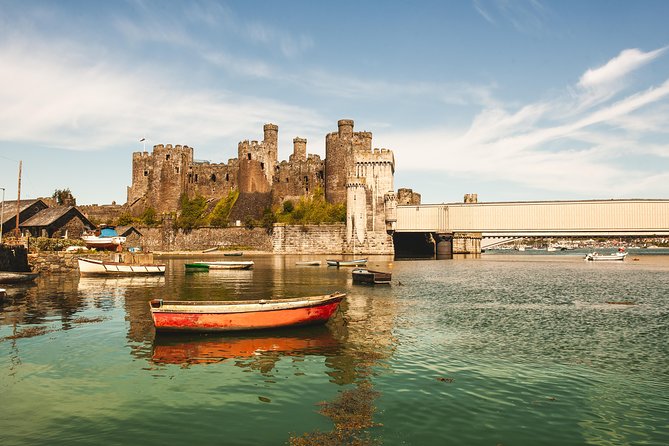
Day two crosses into Wales and begins at Conwy, one of the strongest stops on the route. The 13th-century castle was built by Edward I, and entry is included. You have about two hours to explore the fortress and climb the battlements for views across the town and surrounding area.
This is where the small vehicle helps. Conwy is best experienced on foot, and the castle provides a clear sense of medieval power without requiring a full day. Wear shoes with a good grip. Castle floors, steps, and battlements are not designed for polished city footwear.
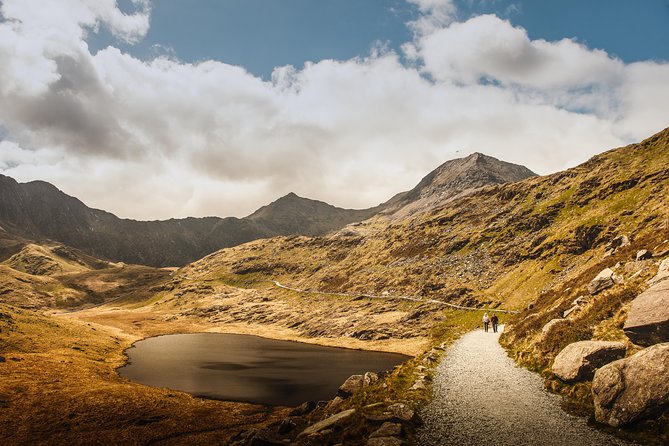
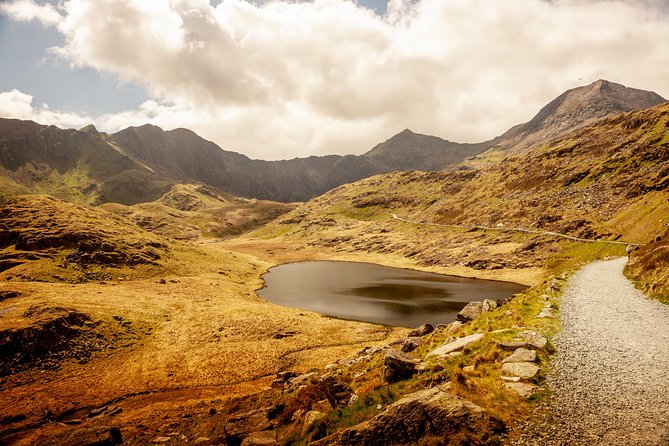
The afternoon moves into Eryri National Park, also known as Snowdonia. The schedule allows about 45 minutes for the main scenic portion, including mountain valleys, old slate workings, and the Pass of Llanberis near Snowdon, the highest peak in Wales.
That 45-minute listed stop does not describe all the time spent traveling through the park. You will see the scenery from the minicoach as the guide explains Welsh independence and the story of Owain Glyndwr. The route is scenic, but it is not a hiking day. If your dream is a long mountain walk, this tour will not provide it.
The quality of the day depends heavily on the driver-guide. Guides named in tour feedback include Ambrose, Russell Chapman, Steve, Peter, John, Jeff, and Ouen. Their role is more than driving. They explain the places between stops, suggest ways to use free time, and keep the group moving.
I would pay attention to the audio system during the first morning. One poor experience involved a broken speaker and very little commentary, which made long road sections frustrating. That appears to be a guide or equipment issue rather than the planned format, but it shows why clear communication matters on a route with many hours on the road.
Day three: Buxton, Chatsworth, and the road to York
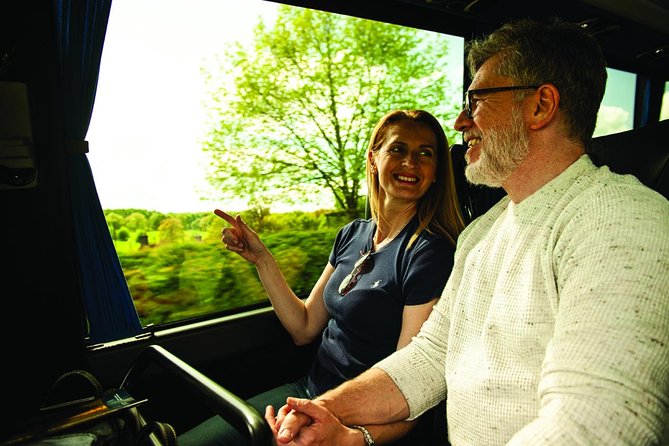
You leave Shrewsbury or Chester for the Peak District, an area of moorland, stone walls, wooded valleys, and small villages. This is a day for looking out the window. The route itself is part of the tour, not just the gaps between attractions.
Buxton offers a one-hour stop. The town has attracted visitors to its thermal springs since Roman times, and you can fill a bottle at the famous spring. It is a modest stop, but it breaks up the drive and gives you time to walk through a spa town with a long connection to healing waters.
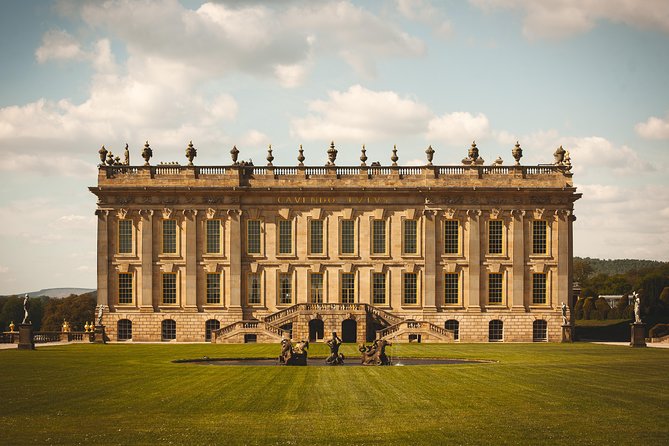
Chatsworth House is the day’s main attraction, with a planned visit from 1pm to 4pm. The estate is associated with the Duke of Devonshire and contains furniture, paintings, gardens, and neoclassical sculpture. Admission is not included, and you should reserve in advance using the link supplied with your voucher.
Three hours is a useful amount of time here, though Chatsworth can easily absorb a full day. I would choose your priorities before arriving. The house, gardens, and collections each deserve attention, and trying to cover every room and path may leave you feeling hurried.
One caution is that traffic, weather, and group timing can affect the amount of time available. The published plan allows three hours, but past tour experiences have included much shorter visits. If Chatsworth is a top reason for booking, confirm the intended stop with the operator and keep your own plans flexible.
The route then heads north through former industrial districts to York. This transfer is long, but it connects two of the trip’s best bases. You get two nights in York, which is much better than a single overnight after arriving late in the day.
A few more London half days worth a look
- Stonehenge, Windsor Castle, and Bath from London
★ 4.5 · 18,662 reviews - London Big Bus Hop-On Hop-Off Tour with Optional River Cruise
★ 3.5 · 10,803 reviews - London Small Group Tour of Historical Pubs
★ 5.0 · 10,422 reviews - Stonehenge, Windsor Castle and Bath with Pub Lunch in Lacock
★ 4.5 · 7,402 reviews
Day four: York or the Yorkshire Dales
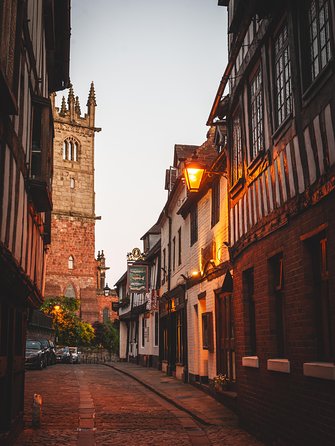
Day four gives you the most useful choice of the trip. You can remain in York and explore its medieval center, or join the guide for a half-day journey through the Yorkshire Dales to Knaresborough and the Eastern Dales.
I would stay in York if you have never visited. The city has Roman, Viking, and Norman layers, and even a few hours can disappear among the old lanes, museums, and cathedral precinct. York Minster is a major paid attraction, so reserve ahead if you want a specific entry time.
You might also consider the York Castle Museum, Clifford’s Tower, or a walking route through the Shambles. The free time begins around 1:45pm, and you spend the evening back in York. That gives you a useful block for independent exploring, but not enough to see every major sight.
If you have already seen York, the Dales option adds scenery and a different sort of English town. Knaresborough provides a market-town setting, while the Eastern Dales offer more remote views. The guide can point out local details and suggest where to spend your time.
The choice reveals the tour’s strength and its limit. You have flexibility, but only within a tight schedule. York rewards a full day or two, and several people have wished for an extra night there. If York Minster, Viking exhibits, ghost walks, and museums are high on your list, plan your priorities before you leave London.
The York accommodation can be a B&B-style hotel or another three-star property. Standards may vary. One stay was described as comfortable and well placed, while another raised complaints about worn furnishings and poor breakfast conditions. I would treat the lodging as practical rather than a central feature of the holiday, and note any room, stair, or dietary needs when booking.
Day five: Lincoln, Cambridge, and London
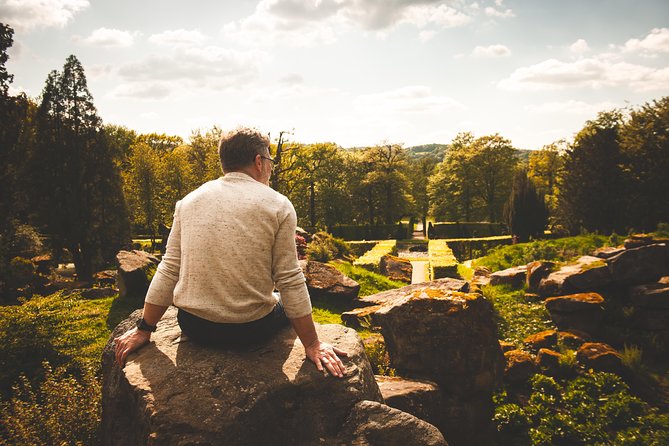
The final day heads south with stops in Lincoln and Cambridge. Lincoln receives about an hour, enough for a short walk through the historic center and a look at the cathedral area.
Lincoln Cathedral was once the tallest building in the world for roughly 200 years. That fact gives the stop a useful focus, but the schedule is short. If you want a full cathedral visit, you may need to move quickly. Lincolnshire sausages provide a local food option, though meals remain at your own expense.
Cambridge is the final major stop, with free time from about 1:45pm to 4pm. King’s College Chapel dominates the center, and you can choose among several ways to use your time. A punting ride along the backs of the colleges gives you a classic view from the water, while climbing St Mary’s tower provides a skyline view.
At Cambridge, timing matters. College access and punting rides may operate on their own schedules, so reserve ahead if one is important to you. You do not have the freedom to wait around for a later departure because the minicoach must return to London.
The tour ends back in London after Cambridge. Exact arrival conditions can vary with traffic, so I would avoid booking a same-evening flight or a tight onward connection.
Group size, guides, and the real pace
A maximum of 16 people is a good middle ground. The group is small enough for a more personal feel and easier conversation, but large enough that you are not dependent on one or two other people for the social side of the trip.
The driver-guide shapes the whole experience. Strong guides such as Ambrose, Russell Chapman, Steve, Peter, John, Jeff, and Ouen have been described as friendly, entertaining, helpful, and good at bringing the group together. That matters during long drives and makes free time easier because you can ask for practical suggestions.
I would not assume every departure will feel identical. A guide who shares local stories and gives clear instructions can turn a transfer into part of the experience. A guide who offers little commentary, arrives late, or does not address a faulty audio system can leave you wondering where you are.
The route also requires reasonable walking ability. You need to board the coach using three steps, walk through historic centers, manage castle surfaces, and reach accommodation that may not have a lift. Children must be at least five years old, and children under 18 need an accompanying adult.
The luggage rule is strict enough to affect your packing. Bring one medium suitcase or rucksack of about 20 kilograms, plus a small onboard bag. This is not the place for a large case packed for a longer London stay.
Who should book this tour
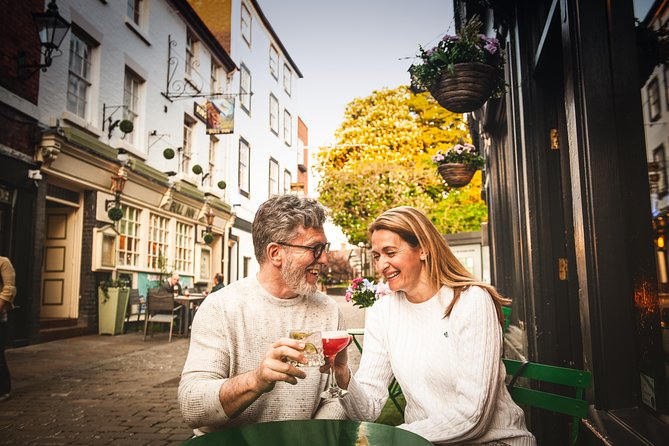
I would book this if you want to see several parts of England and Wales but do not want to drive. It suits you if rural roads, historic towns, castles, country houses, and scenic transfers sound as appealing as major cities.
It also suits solo visitors and couples who like meeting a small group, while still having time alone. The B&B option can add local character, and a cooked breakfast at a welcoming property can be a bright spot in the morning.
I would think twice if you need a slow pace, guaranteed hotel lifts, or long visits at major attractions. I would also avoid it if York is your main goal. You will see York, but the tour is designed to connect many places, not give the city the attention it deserves.
Book paid attractions early, especially Shakespeare sites, Chatsworth House, York Minster, King’s College, and Cambridge punting. Bring layers and comfortable walking shoes. Welsh mountain weather can change quickly, and rain can affect views without ruining the day.
Should you book the Heart of England, Wales and Yorkshire tour?
I would recommend it for a first look at the English countryside beyond London. The route is ambitious, the group size is sensible, and the included lodging and transport remove much of the work. The strongest parts are Conwy, the drive through Eryri, Chatsworth, and the chance to choose between York and the Yorkshire Dales.
The decision comes down to pace. At $1,403.62, you are paying for convenience, a compact route, breakfast, and a driver-guide who can connect the places. You are not paying for every admission or meal, and you should expect several hours in the minicoach.
Cancel at least 21 full days before the start time for a full refund. If you can accept the busy schedule and pack lightly, this is a useful five-day introduction to central England, North Wales, Yorkshire, Lincoln, and Cambridge. If you want depth, choose fewer places and stay longer.
FAQ
Where does the tour depart from?
It departs from Green Line Coach Station on Bulleid Way, Victoria, London SW1W 9SA.
What time does the tour leave London?
Departure is at 9:15am. Check-in closes 15 minutes before departure, and the minicoach leaves on time.
How large is the group?
The maximum is 16 people, traveling in a 16-seat Mercedes minicoach.
What accommodation is included?
You receive four nights of en-suite accommodation with breakfast in either a B&B or a three-star hotel. The itinerary provides two nights in the Shrewsbury or Chester area and two nights in York.
Is hotel pickup and drop-off included?
No. You must reach the Green Line Coach Station in London for departure, and hotel pickup and drop-off are not included.
What luggage can I bring?
You can bring up to 20 kilograms per person. This includes one medium suitcase or rucksack, approximately 55 by 45 by 25 centimeters, plus a small bag for personal items on the coach.
Are meals included?
Breakfast is included with the accommodation. Lunches, dinners, and drinks are not included unless specifically stated.
Which admission fee is included?
Admission to Conwy Castle is included. Other admission fees, including Ironbridge museums and Chatsworth House, are not included.
Is the minicoach wheelchair accessible?
No. A folding wheelchair or walking frame can be stored, but you must be able to board and leave the minicoach independently or with help from your companion.
Can children join the tour?
Children must be at least five years old. Children under 18 must be accompanied by an adult. A booster seat can be arranged for a child under 1.35 meters if you note this when booking.
Recently added around London
- London’s Crown Secret: Self-Guided Royal Puzzle Quest★ 4.5 · 8 reviews
- Postcard London★ 5.0 · 8 reviews
- Private Tour: Downton Abbey London Locations by Taxi★ 5.0 · 8 reviews
- Windsor Castle, Stonehenge & Roman Baths Private Tour★ 4.5 · 8 reviews
- Cotswolds Private Driving Tour from London★ 5.0 · 8 reviews
- Skip-the-line London Westminster Abbey and City of Westminster Kid-Friendly Tour★ 5.0 · 8 reviews
- A Silent Disco Adventure in London★ 5.0 · 8 reviews
- London: National Gallery English Audio Tour with free fast Entry★ 3.0 · 8 reviews
London Tours, compared.
Stonehenge, Windsor Castle, and Bath from London
Read our review →
London Big Bus Hop-On Hop-Off Tour with Optional River Cruise
Read our review →
Stonehenge, Windsor Castle and Bath with Pub Lunch in Lacock
Read our review →
Tower of London and Crown Jewels Exhibition Ticket
Read our review →
Stonehenge, Windsor Castle and Bath Full Day Guided Tour
Read our review →
Windsor Castle, Stonehenge, and Oxford Day Trip from London
Read our review →