

Reviewed · DEVON TOURS
Ilfracombe Seafront History Walking Guided Tour
Ilfracombe’s story comes alive where the town meets the sea. In about 90 minutes, you’ll move from the grand Victorian hotel district to a harbour used for centuries, ending at St Nicholas Chapel, a tiny seamen’s chapel that also served as a lighthouse.
I like the easy route and the strong local focus. Guide Mark keeps the walk moving with old photographs, stories of the town’s fashionable resort years, and a few ghost tales, while the small group size of no more than 15 makes it easier to ask questions. The tour also gives you two things you would be unlikely to piece together alone: Ilfracombe’s links to shipping and its stranger side.
The main consideration is pace. St Nicholas Chapel receives only about five minutes, and the tour is mainly an outdoor walk, so poor weather can lead to a change of date or a refund. If you want a long museum visit or detailed access inside every building, this is not that kind of experience.
Key points to know before you book
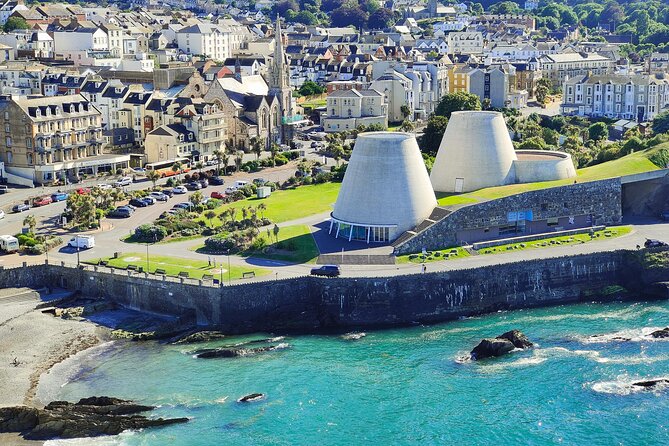
- Victorian resort history: Begin beside the former Ilfracombe Hotel, opened in 1867 as the town’s first purpose-built luxury hotel.
- A harbour with working roots: Learn why Ilfracombe became a registered port of refuge on the Bristol Channel.
- A rare chapel and lighthouse: Finish at 14th-century St Nicholas Chapel, the only surviving beacon chapel and lighthouse in the area.
- Ghost stories with local detail: Hear about a reportedly haunted pub connected with the Alexandra Hotel and the Blackmore family.
- Small, relaxed group: The maximum group size is 15, with commentary from guide Mark throughout.
- Simple afternoon timing: Meet at the Landmark Theatre at 2pm and finish at the chapel or near Verity by the harbour pier.
Why this short Ilfracombe walk is worth your time
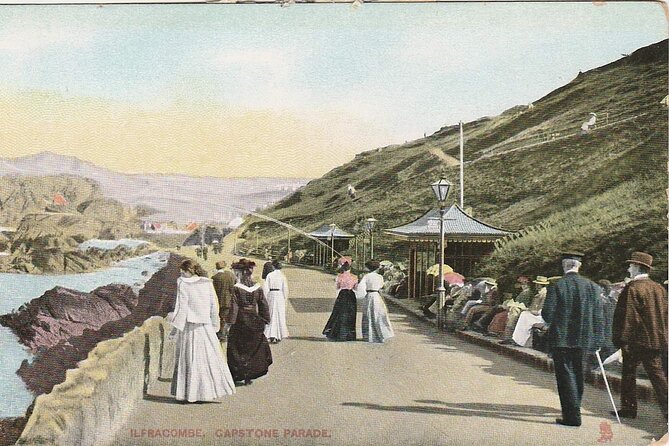
Ilfracombe can look like a seaside resort built mainly for a day at the beach, but its past is much less tidy and far more interesting. The town has links to an Iron Age hill fort, medieval worship, Victorian tourism, wartime events, and the constant traffic of ships moving along the Bristol Channel.
I like this tour because it connects those pieces in a compact route. You are not being asked to spend half a day inside a museum reading panels. Instead, you walk through the places where the story happened, with a guide supplying the missing details.
The tour is also a useful first activity in Ilfracombe. It gives you a clear sense of how the seafront, Capstone Hill, Wildersmouth beach, harbour, and chapel fit together. Afterward, you can return to the places that caught your interest, including the harbour area and the chapel.
The tone appears to be relaxed rather than formal. Mark’s approach combines dates and buildings with unusual stories, mystery, and old images of Ilfracombe. That mix matters because a purely factual walk can feel dry, while a tour made only of ghost tales can leave you unsure what is historically important.
Here, the unusual tales are tied to real places. You hear about a hotel, a pub, a harbour, and a chapel, rather than receiving a string of disconnected legends.
More History Tours in Devon:
- London Small Group Tour of Historical Pubs
★ 5.0 · 10,422 reviews - Soho Music & Historic Pubs Tour
★ 5.0 · 1,993 reviews - Shadows of York: Ghost Walk and Horrible History.
★ 5.0 · 1,403 reviews
Starting at the Landmark Theatre and the old Ilfracombe Hotel
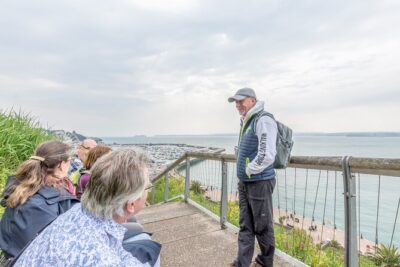
The meeting point is the Landmark Theatre on The Promenade, close to the seafront. The walk begins at 2pm, so you have the morning to explore Ilfracombe, visit the harbour independently, or simply enjoy the coast before joining the group.
The first stop takes about 10 minutes and focuses on the former Ilfracombe Hotel. Opened on May 15, 1867, it was the town’s first purpose-built luxury hotel and occupied a prime site overlooking Capstone Hill and Wildersmouth beach.
That location tells you a lot about Victorian Ilfracombe. The town was not simply serving local residents. It was building itself as a fashionable seaside resort, with grand accommodation aimed at visitors arriving in the great age of steam travel.
The hotel was later known in the 1880s as the Alexandra Hotel. The story then takes a darker turn with its connection to a couple named Blackmore, who owned or managed the hotel in the 1970s. The building is also associated with one of the town’s most haunted pubs.
This is a good early stop because it sets up the tour’s main theme: Ilfracombe has more than one past. You see the polished resort image, then hear about the less comfortable stories attached to the same buildings.
Do not expect to go inside the hotel or spend a long time examining its architecture. The stop is brief and works best as an introduction to the town’s Victorian ambitions and local ghost lore.
Following the seafront through Ilfracombe’s resort years
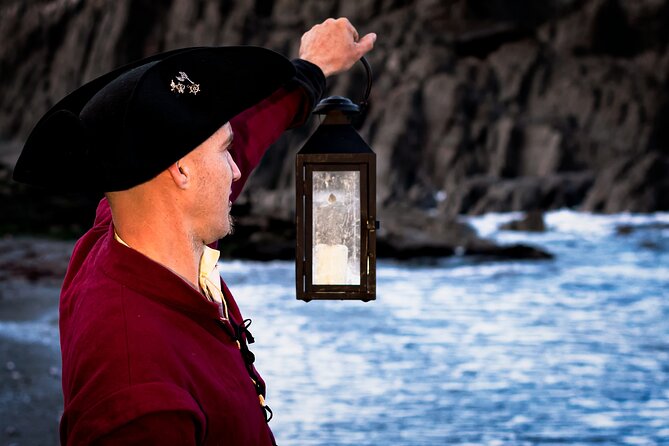
The walk along the seafront is where the tour’s storytelling style becomes most useful. Ilfracombe was once a resort with a level of grandeur compared with Mediterranean destinations, at least in the eyes of its Victorian visitors.
Regular steamships brought wealthy and famous passengers to stay. The sea was not just a view from the promenade. It was the town’s road, its source of visitors, and a constant reminder that Ilfracombe faced Wales and the open Atlantic.
I would pay attention to the way Mark links the buildings to the water. The story is not just about hotels and holidays. It is about how the sea shaped the town’s economy and reputation.
The walk also places Ilfracombe within a much longer timeline. The town has changed over roughly 2,000 years, from its early beginnings as an Iron Age hill fort through later castles, churches, and resort buildings.
Some of those structures have disappeared, but the route helps you picture the layers beneath the modern seafront. You may find this especially useful if you have already noticed that Ilfracombe does not have a single, uniform architectural character.
The old photographs add another helpful element. They allow you to compare the present-day promenade with earlier versions of the town, when steamships, grand hotels, and seaside tourism played a much larger public role.
This part of the experience is also where the guide can answer questions. The supplied tour details do not promise a formal lecture or a fixed list of historical subjects, so the exact emphasis may depend on the guide and the group. That is a benefit if you like conversation, but less ideal if you want a tightly scripted academic presentation.
Ilfracombe Harbour and its centuries of seafaring
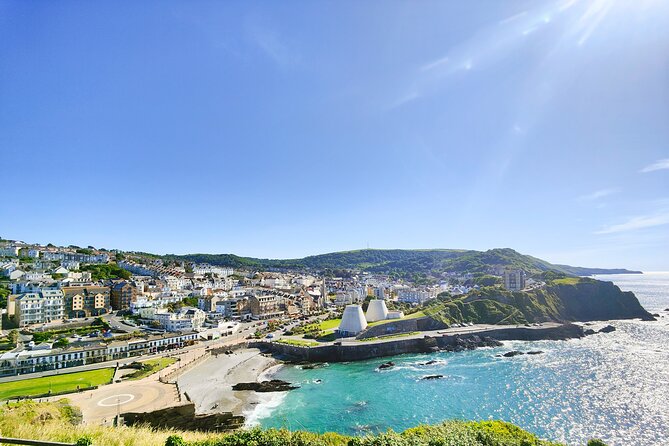
The second main stop is Ilfracombe Harbour, with about 15 minutes set aside for the area. A port has existed here since the 12th century, while settlement in the area goes back much further.
The harbour’s natural shape gave Ilfracombe a practical advantage. It became a significant safe port on the Bristol Channel and was registered as a port of refuge.
That phrase is important. The harbour was not simply a pleasant place for pleasure boats. Its position gave ships a safer place to seek shelter in difficult conditions, and the town’s fortunes remained closely tied to the sea.
I like this stop because it changes the mood of the walk. The first section is mainly about hotels, visitors, and the image of a seaside resort. At the harbour, you begin to see Ilfracombe as a working maritime town with responsibilities and risks.
The harbour also helps explain why St Nicholas Chapel was built where it was. People living and working around the water needed a place of worship, and ships needed guidance as they approached the harbour.
The tour ends near this part of Ilfracombe, so you can continue exploring after the guide departs. The stated finish is either St Nicholas Chapel or the harbour pier near Verity. Since the exact ending point may vary, keep your plans flexible if you need to meet someone immediately afterward.
The harbour stop is short enough to fit easily into a larger afternoon. It is not intended as a full port history course, but it gives you the essential context for understanding the chapel and Ilfracombe’s relationship with shipping.
More Walking Tours in Devon:
- The Fawlty Tours walking experience
★ 5.0 · 42 reviews - Walking Tour of Exmouth in East Devon
★ 5.0 · 12 reviews - Plymouth: Best of Plymouth Walking Tour
★ 5.0 · 11 reviews - Guided walk on the remote and wild North Cornish coast
★ 5.0 · 9 reviews
St Nicholas Chapel, the tour’s most distinctive stop
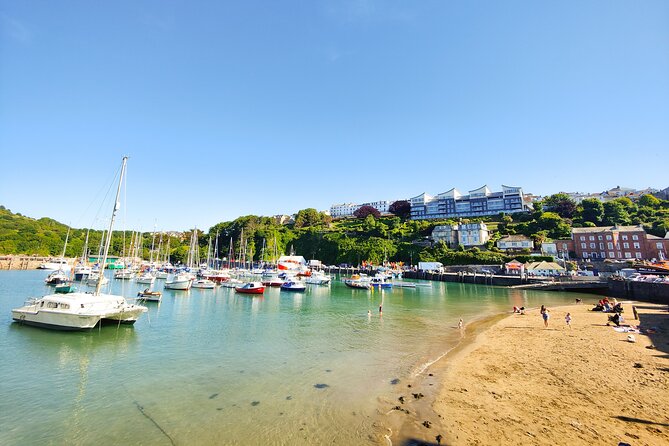
St Nicholas Chapel is the final named stop, with about five minutes scheduled there. The chapel dates from the 14th century and was built for people who lived and worked around the harbour.
Its most unusual feature is its double role. It is a seamen’s chapel and the only surviving beacon chapel and lighthouse of its kind in the area.
The chapel is also linked with the time of Henry VIII, when it was used as a lighthouse. The light still remains on and continues to guide shipping into the harbour.
That makes this small building more than a picturesque final stop. It ties together faith, local work, coastal danger, and navigation in one place.
Five minutes is enough for an explanation and a look at the setting, but it is not a long visit. If the chapel is your main reason for booking, you may want to return independently to spend more time around it. The tour gives you the story and context, but the scheduled stop is brief.
The ending is practical, too. You finish either at the chapel or near the pier close to Verity, Damien Hirst’s large statue in the harbour area. The supplied details do not promise entry inside the chapel, so you should treat this as a guided exterior stop unless the guide says otherwise on the day.
The ghost stories and unusual local details
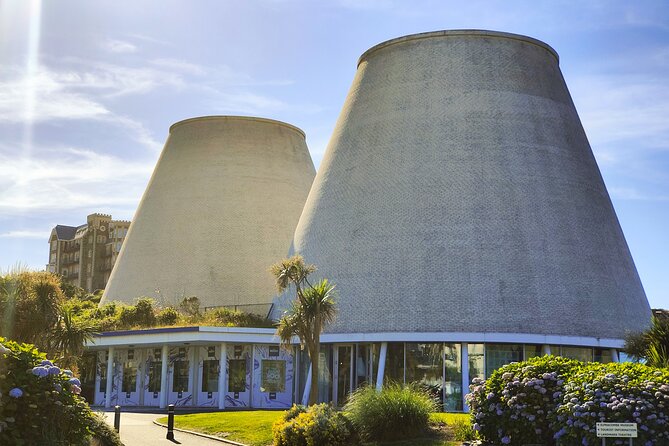
The haunted side of the tour is a useful change from dates and port records. The former Alexandra Hotel, later associated with the Blackmores in the 1970s, is described as one of the most haunted pubs in town.
That story gives the opening stop a memorable edge, but the tour does not appear to rely on supernatural tales alone. Mark also uses historical buildings, old photographs, and wider stories about Ilfracombe’s development.
You may hear about wars and the town’s role in events connected with the start of the First World War. The exact details are not set out in the tour information, so I would view this as part of the broader commentary rather than a guaranteed full explanation of that subject.
This blend suits people who want history with a little mystery. It may not suit you if you prefer only firmly documented political or architectural history. On the other hand, the ghost stories can make the buildings easier to remember, especially for families and mixed-age groups.
The best part is that the stories are attached to specific places. You are not asked to imagine an abstract past. You are standing beside the hotel, the harbour, or the chapel while the guide explains what happened there.
Mark’s guiding style and the small group format
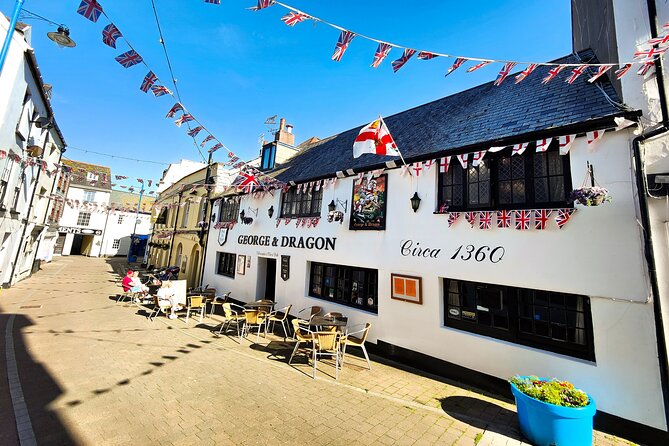
Guide Mark is central to the experience. His approach is described as enthusiastic, relaxed, and full of stories, with old photographs used to show how Ilfracombe has changed.
You should expect commentary throughout the walk rather than a few facts delivered at each stop. That makes the 90-minute route feel like one connected story, moving from resort glamour to maritime life and then to the chapel.
The group is limited to 15 people. That is a useful maximum for a town walk because you can usually stay close enough to hear, while still having room to ask questions.
I would choose this format over a large coach-style tour if you want personal contact with the guide. A small group also helps when the route pauses beside public buildings or along the harbour, where a large crowd could be awkward.
The tradeoff is that the pace may be shaped by the group. Some people will want more time for photographs or questions, while others will be ready to move on. Mark’s style appears to welcome questions, but the tour still has to cover its route in about an hour and a half.
Timing, walking effort, and what to bring
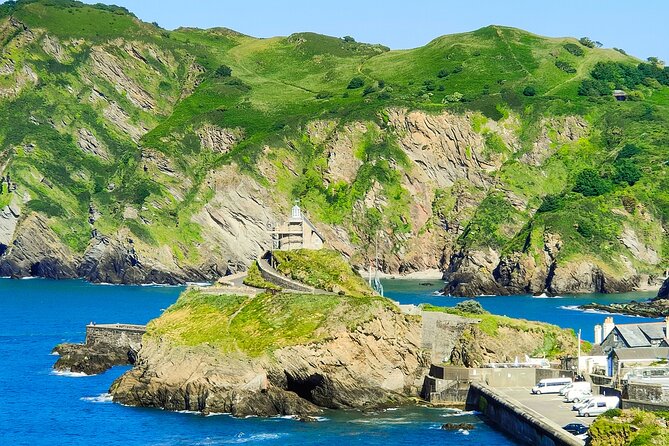
The experience lasts approximately 90 minutes and begins at 2pm. The route runs from the Landmark Theatre along the seafront and harbour, ending at St Nicholas Chapel or nearby.
No detailed accessibility information is provided, so you should contact the provider if you have concerns about the surface, slopes, or the amount of walking. Most people can participate, and service animals are allowed.
Friendly dogs on leads are welcome. That makes the walk a practical choice if you are visiting Ilfracombe with a dog, although you will still need to manage the dog around the group and public areas.
The tour requires good weather. Bring a waterproof layer and sensible shoes, since the experience is outdoors and the Bristol Channel coast can feel exposed even when the day begins pleasantly.
There is no mention of food, drinks, or included admission. The attraction here is the guide’s commentary and the route through public historic places, not a meal or a ticketed indoor attraction.
Who gets the most from this Ilfracombe tour
I would recommend this walk to you if you like learning the story of a town while seeing its main historic areas. It works especially well for a first visit, since the route gives you a clear introduction to the seafront, harbour, and chapel.
It also suits people who enjoy a mixture of serious history and local mystery. The ghost material adds character without replacing the main subjects of Victorian tourism, shipping, religion, and coastal life.
Families may appreciate the short duration and the unusual tales. The maximum group size is also more manageable than a large public tour.
History-minded visitors should note the balance. This is a lively overview rather than a specialist study of medieval architecture, naval history, or Victorian social life. If you want one narrow subject covered in great depth, you may find the tour too broad.
You should also think about your interest in outdoor walking. The route is not long, but the attraction comes from moving through Ilfracombe and listening as the guide connects each place. If you would rather sit indoors, this may not be the right choice.
Is the tour good value?
The supplied information does not give a price, so I cannot judge the exact cost. I can still assess what you receive for your time and money.
You get approximately 90 minutes with a local guide, a small group capped at 15, historical commentary, old photographs, unusual stories, and a route linking three distinct parts of Ilfracombe.
That is good value if you would otherwise walk past the hotel, harbour, and chapel without understanding their importance. The tour saves you research time and gives you a usable framework for the rest of your visit.
The value is less clear if you only want a quick orientation. You could see the harbour and chapel on your own, but you would miss the connections between the Victorian resort, the port of refuge, the seamen’s chapel, and the town’s ghost stories.
Free cancellation is available when you cancel at least 24 hours before the 2pm start time. Changes or cancellations within 24 hours are not refunded, and poor weather or failure to meet the minimum group size can lead to a new date, another experience, or a full refund.
Should you book the Ilfracombe Seafront History Walking Guided Tour?
Book it if you want a friendly, story-led introduction to Ilfracombe and enjoy walking outdoors. Mark’s use of old images, local history, and ghost tales gives the route more personality than a simple list of dates, while the harbour and St Nicholas Chapel provide strong historical anchors.
I would be less likely to book it if you need a long chapel visit, guaranteed indoor access, or a specialist academic tour. For most visitors, though, the 90-minute length is a sensible commitment, and the 2pm start leaves room for other plans.
The strongest reason to go is the way the tour joins Ilfracombe’s different identities: Victorian resort, working port, seamen’s community, and town of lingering mysteries. That is a lot of local character to find in one short walk.
FAQ
How long is the Ilfracombe Seafront History Walking Guided Tour?
The tour lasts approximately 1 hour and 30 minutes.
Where does the tour start?
It starts at the Landmark Theatre, The Promenade, Ilfracombe EX34 9BZ, UK.
What time does the tour begin?
The stated start time is 2pm.
Where does the tour finish?
The tour finishes either at St Nicholas Chapel or at the harbour pier near Verity.
Is St Nicholas Chapel included in the route?
Yes. St Nicholas Chapel is the final named stop, with about five minutes scheduled there.
What happens if the weather is poor?
The experience requires good weather. If it is canceled because of poor weather, you will be offered a different date or a full refund.
Recently added around Devon
- Explore North Cornwall on Electric Bikes★ 5.0 · 8 reviews
- Doc Martin, Fishermans Friends & North Cornwall★ 5.0 · 9 reviews
- 1.5-Hour Swanaford Vineyard Tour And Tasting Experience★ 5.0 · 9 reviews
- Guided walk on the remote and wild North Cornish coast★ 5.0 · 9 reviews
- Plymouth: Best of Plymouth Walking Tour★ 5.0 · 11 reviews
- Walking Tour of Exmouth in East Devon★ 5.0 · 12 reviews
- Half Day Sea kayak Guided Tour★ 5.0 · 15 reviews
- Ilfracombe Harbour: Ghost Tour★ 4.9 · 15 reviews
Devon Tours, compared.

The story of Agatha Christie’s extraordinary life
Read our review →

Guided Wildlife and Sea Cave Kayak Safari in English Riviera
Read our review →
Browse the lists this tour appears in